Understanding the Role of a Tool Crib Technician
A tool crib technician is responsible for controlling, examining, and maintaining tools used in manufacturing and industrial environments. Working primarily within a tool crib or tool room, this role ensures employees have access to safe, functional equipment while supporting workplace safety standards and operational efficiency.
Core Responsibilities in a Tool Crib
- Issuing and receiving tools to authorized personnel
- Inspecting tools for wear, defects, or missing components
- Cleaning, lubricating, and organizing tools in storage
- Tracking tool usage and inventory records
- Removing damaged tools from service and coordinating repairs
Focus on Tool Safety and Condition
Tool safety is a central responsibility of a tool crib technician. Employers rely on this position to keep tools in proper operating condition. Regular inspections help identify wear or damage early, reducing the risk of workplace incidents and preventing unsafe tools from being returned to active use.
Lockout and Handling Awareness
Tools marked under lockout or tagout status must never be issued or used. Tool crib technicians must recognize these indicators and ensure all safety procedures are followed. During approved maintenance tasks, tools must remain disconnected from power sources to limit exposure to electrical hazards.
Essential Skills for a Tool Crib Technician
| Skill Area | Description |
|---|---|
| Attention to Detail | Identifying wear, damage, or missing parts |
| Safety Knowledge | Understanding workplace safety rules and procedures |
| Organization | Maintaining structured tool storage systems |
| Communication | Coordinating with technicians and supervisors |
| Record Keeping | Logging tool usage and maintenance activity |
Daily Workflow Inside the Tool Room
A typical day in a tool room involves balancing hands-on responsibilities with administrative duties. Tool crib technicians issue equipment, perform inspections, update inventory systems, and prepare tools for use. Keeping tools organized and available supports steady production schedules.
Test Your Knowledge on Tool Maintenance and Handling
To reinforce best practices and verify your understanding, we invite you to take our Tool Maintenance and Handling quiz on sawbladeuniversity.com. This interactive quiz helps assess your knowledge of proper tool care, safe handling methods, and workplace procedures commonly used in industrial and shop environments.
Safe Tool Handling Practices
- Carry tools using a firm, controlled grip
- Keep cutting edges guarded and pointed downward
- Avoid placing fingers on triggers while moving
- Store tools on flat surfaces or secured holders
Supporting Safe Tool Use on the Job
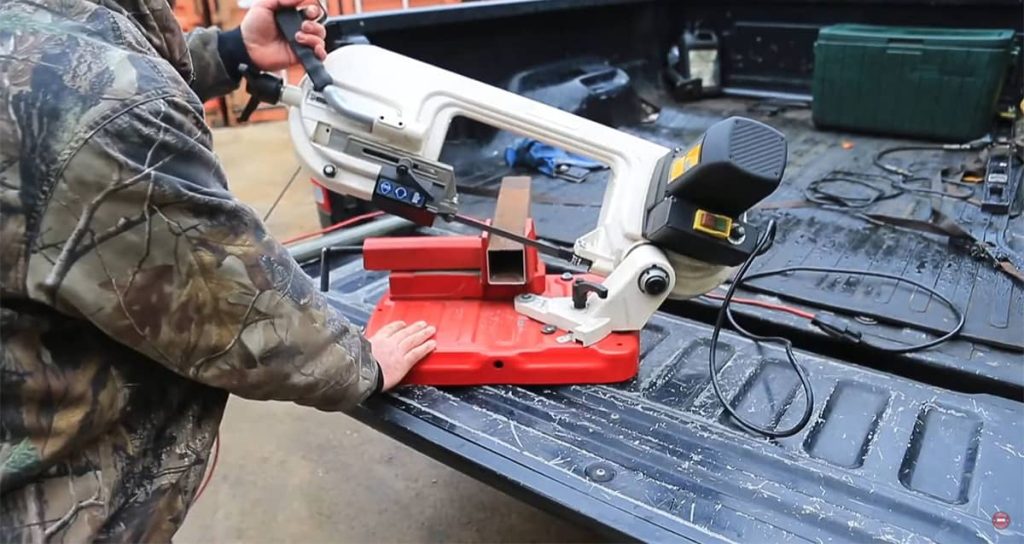
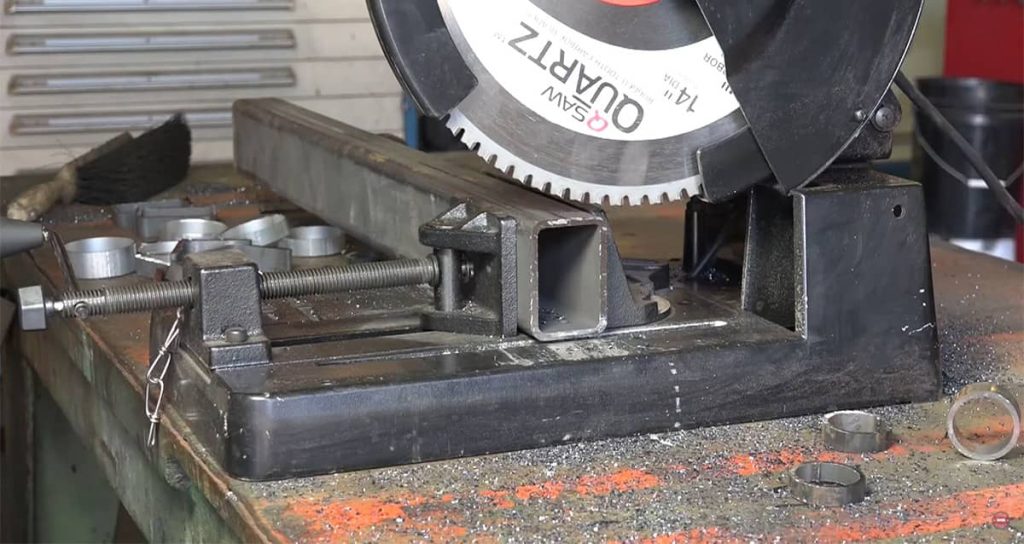
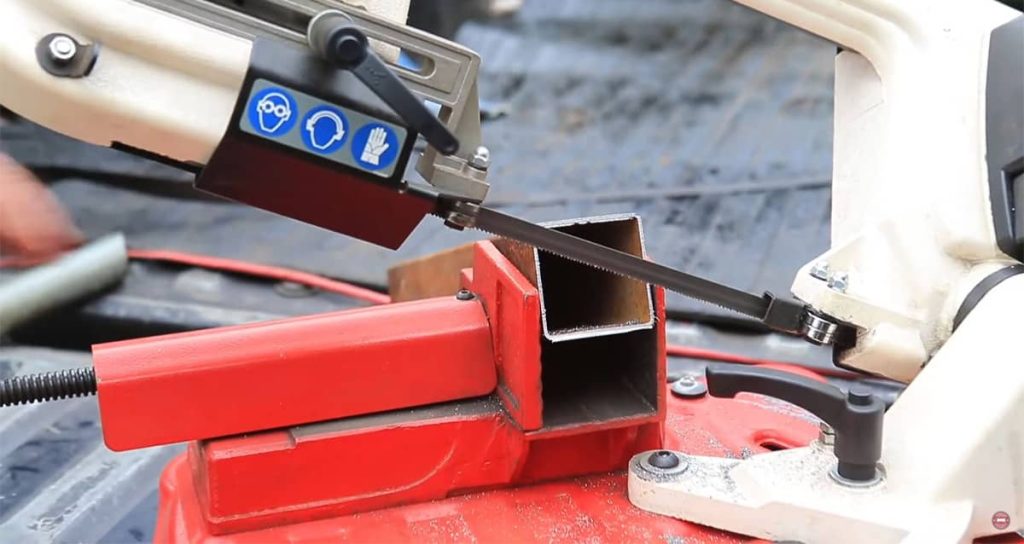
Beyond storage and maintenance, tool crib technicians encourage proper tool use. Recommending that employees secure workpieces with clamps or a vice allows both hands to remain free, improving control and reinforcing safe operating practices.
Inventory Control and Documentation
- Monitoring tool quantities and availability
- Recording check-in and check-out activity
- Scheduling routine inspections and servicing
- Reporting lost or damaged tools
Learn More About Surface Hardening Methods
To expand your understanding of material treatment processes, we invite you to read our related article, “Surface Hardening Treatments: Comparing Carburizing, Nitriding, and Flame Hardening.” This resource explains how different surface hardening methods are used in industrial settings, outlining their applications, benefits, and selection considerations to support informed decision-making in manufacturing and maintenance operations.
Why This Role Matters in Industrial Operations
The tool crib technician contributes directly to employee safety and the protection of company assets. Ensuring tools remain clean, functional, and properly stored supports safety compliance, reduces downtime, and helps maintain consistent operational performance.
The tool crib technician serves as a key connection between safety, maintenance, and productivity. Through careful inspection, disciplined handling procedures, and organized inventory management, this role ensures tools are always ready for use while meeting established workplace safety requirements.