What Defines a Friction Saw
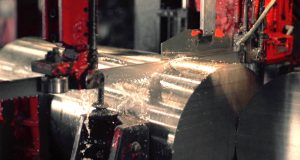
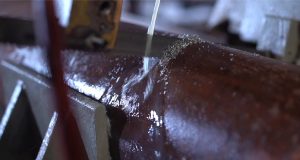
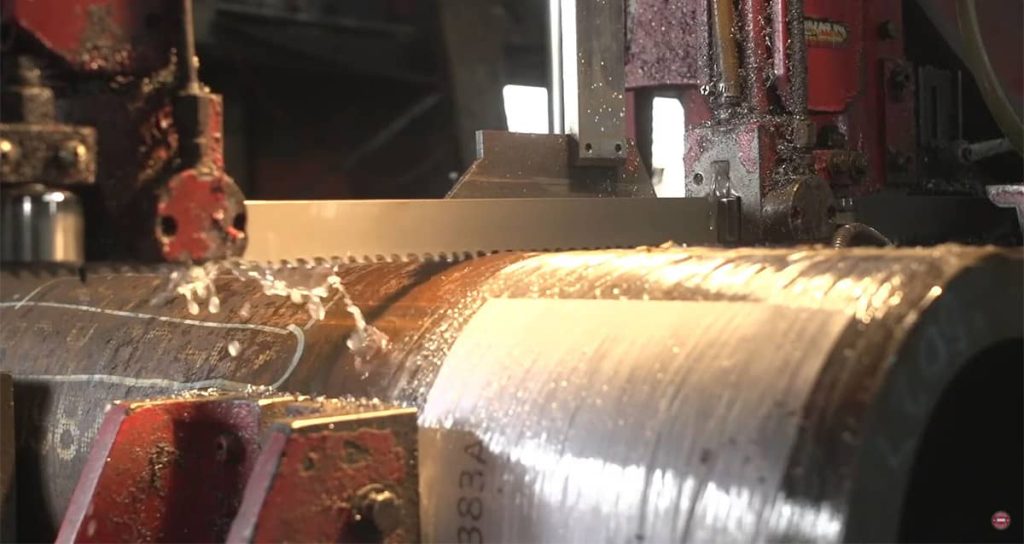
A friction saw separates metal by producing heat at the blade interface rather than relying on cutting teeth. As the blade rotates at very high speed, surface contact generates enough heat to soften the material, allowing separation under steady feed pressure. This method is commonly applied in metal processing environments focused on speed and repeatable output.
Operating Principles of a Friction Saw
- Rapid blade movement creates intense surface friction
- Heat builds directly at the point of contact
- Metal softens locally, enabling separation
- Continuous motion maintains a consistent cutting zone
Unlike traditional toothed blades, this process depends on thermal response instead of mechanical shearing.
Friction Saws Versus Band Saw Systems
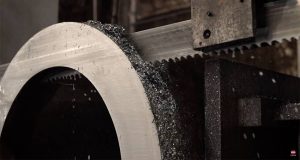
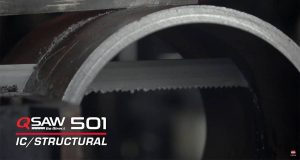
Band saws cut material using a continuous toothed blade supported by opposing wheels, resulting in controlled cutting with minimal heat concentration. Friction saws operate differently by relying on heat generation to weaken the metal. Because of this, band saws are more common in mixed-use workshops, while friction saws are typically reserved for specific metal cutting operations with defined production goals.
Metals That Perform Well With Friction Cutting
Friction saw cutting works best on metals that respond evenly to heat exposure. Materials that soften in a predictable manner allow stable cutting conditions. Ferrous metals are often selected for this process, particularly when fast cutting speed is more important than surface appearance.
Friction Saw Features and Typical Uses
| Attribute | Description |
|---|---|
| Cutting approach | Heat-induced material separation |
| Blade design | Smooth, toothless steel blade |
| Common materials | Steel tubing, bars, and profiles |
| Edge condition | Rougher compared to toothed cuts |
| Cutting rate | Extremely fast |
| Primary setting | Industrial production facilities |
Situations Where Friction Saws Perform Well
Friction saws are often used for repeated cutting tasks where output rate takes priority over edge quality. In production-focused environments, fast and consistent cuts help maintain workflow efficiency. These machines are frequently paired with automated feed systems to support controlled, repeatable operation.
When a Friction Saw Is Not Recommended
- Jobs requiring accurate, clean edges
- Thin materials affected by thermal distortion
- Non-ferrous metals with limited heat resistance
- Applications where surface finish matters
In these cases, alternative cutting equipment usually provides better results.
Test Your Knowledge on Band Sawing and Friction Sawing
If you want to check your understanding of band sawing and friction sawing concepts, take our interactive quiz on sawbladeuniversity.com. The quiz covers cutting principles, material behavior, and proper tool selection, helping you confirm what you’ve learned and identify areas that may need further review. It’s a practical way to reinforce key differences between cutting methods and sharpen your decision-making for real shop applications.
Heat Effects During Friction Cutting
Localized heat buildup at the blade interface defines friction cutting behavior. The metal softens without fully liquefying, allowing separation to occur. Managing blade speed and feed pressure is essential to prevent excessive heat transfer that could alter material characteristics beyond the cut area.
Learn How Heat Flow Affects Metal Cutting Performance
Understanding how heat moves through metal during cutting can help explain tool wear, surface finish changes, and temperature buildup at the cutting edge. In our article “Understanding the Role of Thermal Conductivity in Metal Cutting,” we explain how different metals transfer heat, why some materials retain heat near the cut zone, and how this behavior influences cutting methods and process control. This overview provides useful context for selecting tools, speeds, and cooling strategies based on material properties.
Operational and Safety Guidelines
- Track temperature levels during long production runs
- Allow cut material to cool before handling
- Keep blade speed consistent
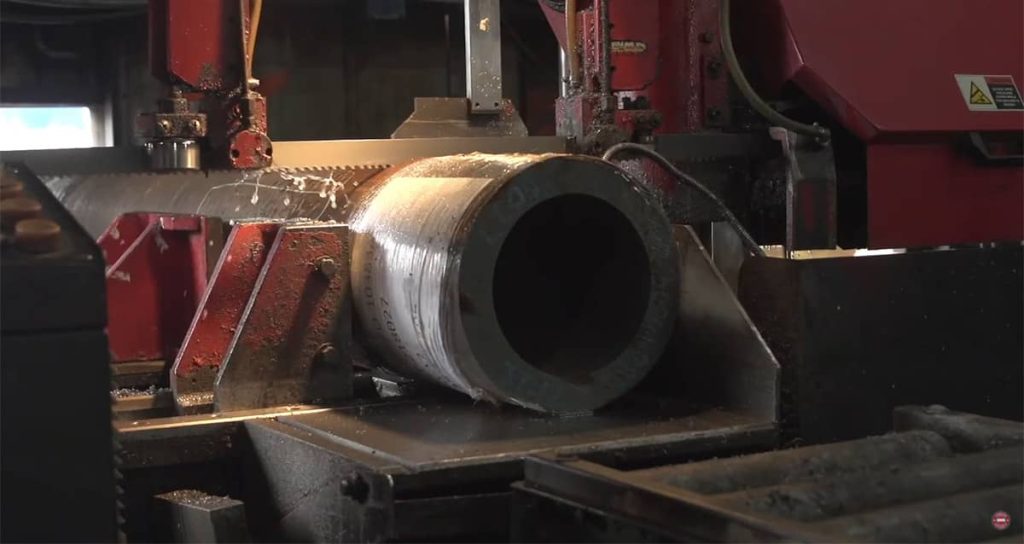
- Use appropriate guarding for high-speed blades
Clear procedures help maintain safe and predictable operation.
Common Industrial Applications
- Bulk bar stock cutting
- Structural steel processing
- Automated production lines
- Operations focused on speed rather than finish quality
These applications show where friction saws provide practical value.
Friction saws cut metal by generating heat through blade contact, supporting rapid separation of suitable materials. While this method offers high cutting speed in controlled environments, it is not suitable for precision-focused or heat-sensitive applications. Understanding operating behavior, ideal use cases, and process limits supports better cutting system selection in metalworking operations.