Understanding Cordless Portable Band Saws
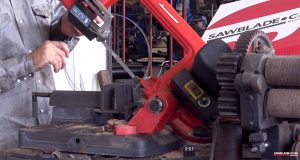
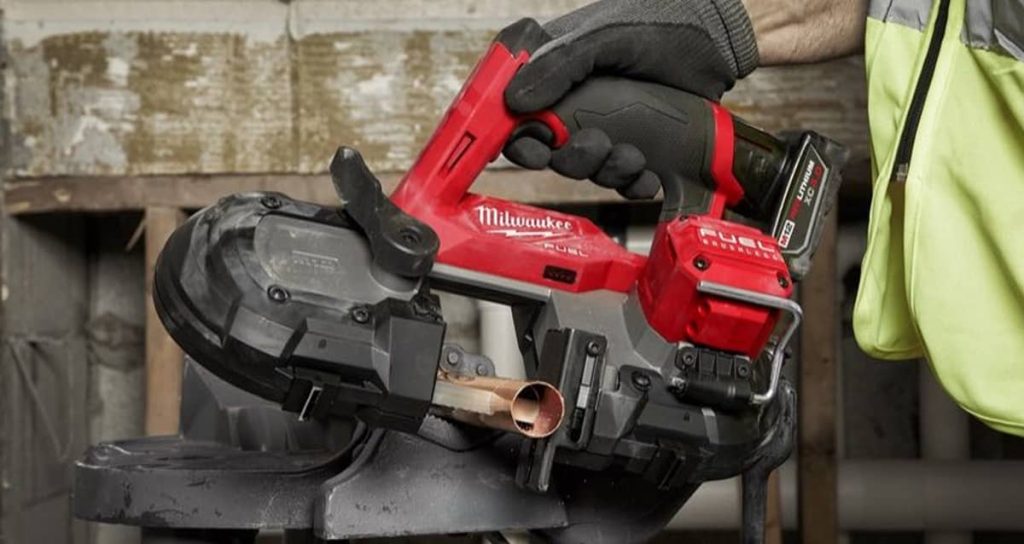
Cordless portable band saws are commonly used to cut metal, conduit, tubing, and structural materials without requiring a constant power source. These battery-powered cutting tools provide mobility for installation, fabrication, and maintenance tasks. Their compact size allows them to operate efficiently in confined workspaces while maintaining consistent cutting performance across different materials.
Main Features of Cordless Portable Band Saws
- Battery-powered operation for jobsite mobility
- Compact design for tight-space cutting
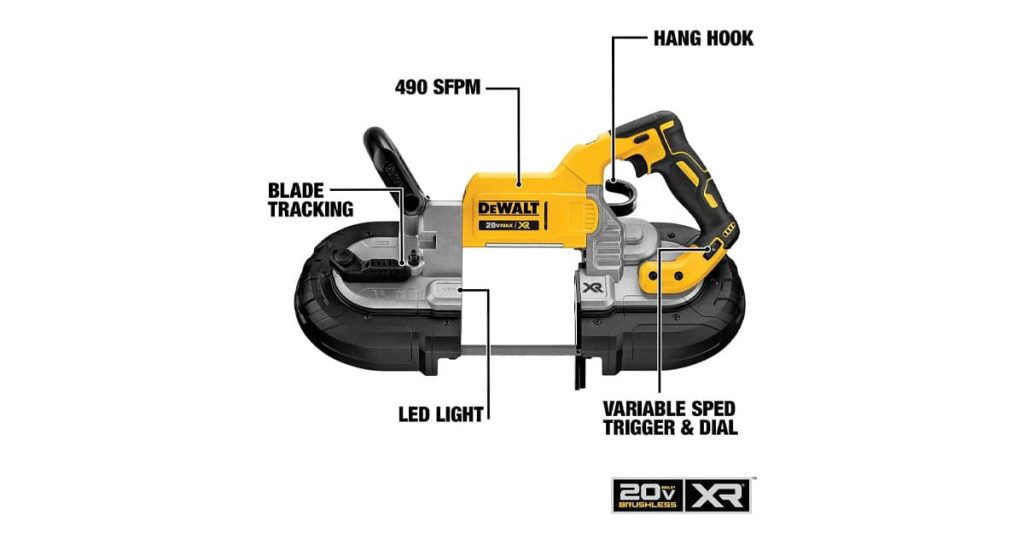
- Variable speed trigger for controlled cutting
- Tool-less blade change systems
- Integrated LED lights for improved visibility
- Ergonomic handles for better handling
Key Terms Used With Cordless Band Saws
Several technical terms are associated with cordless portable band saws. Cutting capacity refers to the maximum material size that can be cut in a single pass. Blade speed, often measured in surface feet per minute, affects cutting efficiency and finish quality. Battery voltage impacts runtime and cutting output, while blade size determines compatibility with various cutting applications.
Compact vs Deep Cut Cordless Band Saws
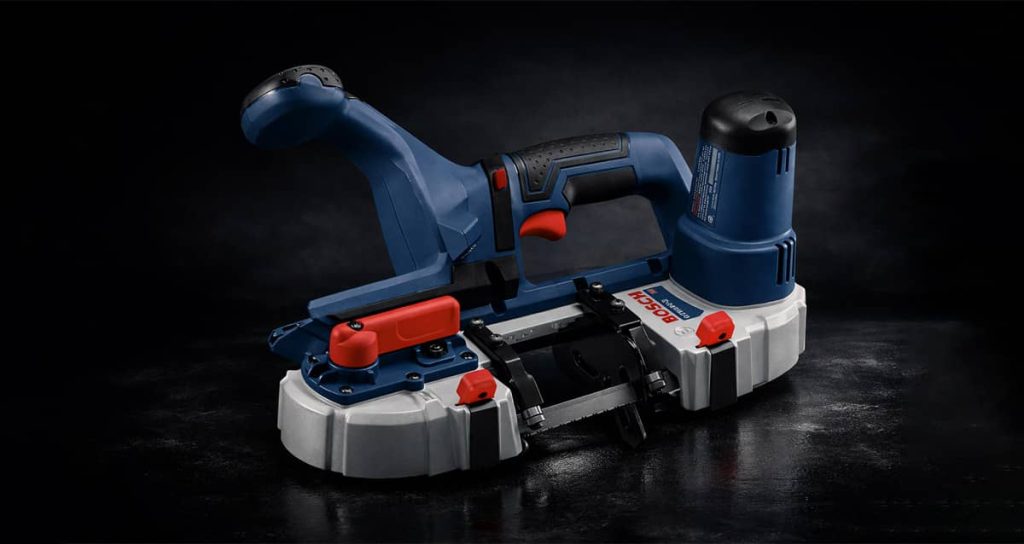
Compact cordless band saws are designed for overhead work and installation tasks in restricted areas. Deep cut cordless band saws provide increased cutting capacity for thicker stock and structural materials. Buyers typically choose between portability for confined spaces or higher cutting capacity depending on the intended application.
Cordless Portable Band Saw Comparison
| Model | Voltage | Cutting Capacity | Weight | Power Source |
|---|---|---|---|---|
| Milwaukee 2629-20 | 18V | 3-1/4″ | 10.25 lb | Battery |
| Milwaukee M12 2529-21XC | 12V | 2-1/2″ | 6 lb | Battery |
| DeWalt DCS374B | 20V | 5″ | 12.4 lb | Battery |
| Bosch GCB18V-2N | 18V | 2-1/2″ | 7.3 lb | Battery |
Performance Considerations
Cordless band saw performance depends on blade selection, battery system, and cutting speed control. Higher-capacity battery platforms support longer runtime, while brushless motors help maintain steady cutting output during repetitive cutting operations.
Explore More Training and Technical Resources
Visit sawbladeuniversity.com to discover a range of training classes and technical articles focused on cutting tools, blade selection, and equipment operation. These resources are designed to help improve cutting accuracy, tool performance, and overall efficiency across different workshop and jobsite applications.
Applications for Cordless Band Saws
- Cutting metal pipe and conduit
- Fabrication and installation tasks
- Maintenance operations
- Structural material trimming
- Jobsite cutting applications
Battery Platform Differences
Cordless portable band saws operate on different battery systems, including 12V, 18V, and 20V platforms. Lower voltage tools are generally lighter and better suited for overhead cutting, while higher voltage tools support increased cutting capacity and extended runtime.
Choosing the Right Cordless Portable Band Saw
- Match cutting capacity with material thickness
- Consider tool weight for overhead tasks
- Check blade size compatibility
- Evaluate runtime based on battery platform
- Select variable speed control when needed
Maintenance and Blade Selection
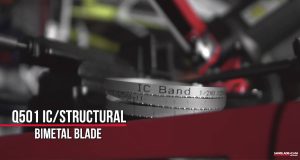
Selecting the correct blade helps maintain cutting accuracy and extends tool performance. Matching the blade tooth pattern and material type with the cutting application improves efficiency and reduces blade wear during operation.
Learn the Fundamentals of Bandsaw Operation
If you would like to better understand how standard bandsaws function, take a look at our article “Bandsaw Basics: Practical Guide, Key Terms, and Next Steps.” It explains essential terminology, cutting concepts, and setup considerations that can help improve accuracy and consistency when working with different materials.
Best Practices for Safe Operation
- Use blades suited for the material
- Maintain stable cutting pressure
- Inspect blades regularly for wear
- Keep battery connections clean
- Store tools in dry conditions
Next Steps
Cordless portable band saws support accurate cutting in installation, fabrication, and maintenance environments. Understanding cutting capacity, battery systems, and blade compatibility helps users choose tools that match their cutting tasks while improving efficiency and handling on the jobsite.