Why the Rockwell Hardness Scale Matters in Cutting
The Rockwell hardness scale matters because it gives a fast way to judge how much a metal resists indentation, surface wear, and deformation. In cutting, that usually affects how the material reacts to the blade, how much heat builds during the cut, and how quickly tooth edges wear down. A harder metal is not automatically impossible to cut, but it usually asks more from the blade, feed rate, and setup. That is why the Rockwell hardness scale appears so often when people compare steels, alloys, and blade recommendations for band saw work and other metal cutting jobs.
The First Rockwell Hardness Scale Basics to Know
• The Rockwell hardness scale measures resistance to indentation
• Higher Rockwell numbers usually mean a harder surface
• Harder metals often increase blade wear during cutting
• Different Rockwell scales are used for different materials
• Hardness can also suggest wear resistance and strength
• Rockwell values help planning, but not setup by themselves
What the Rockwell Test Is Actually Measuring
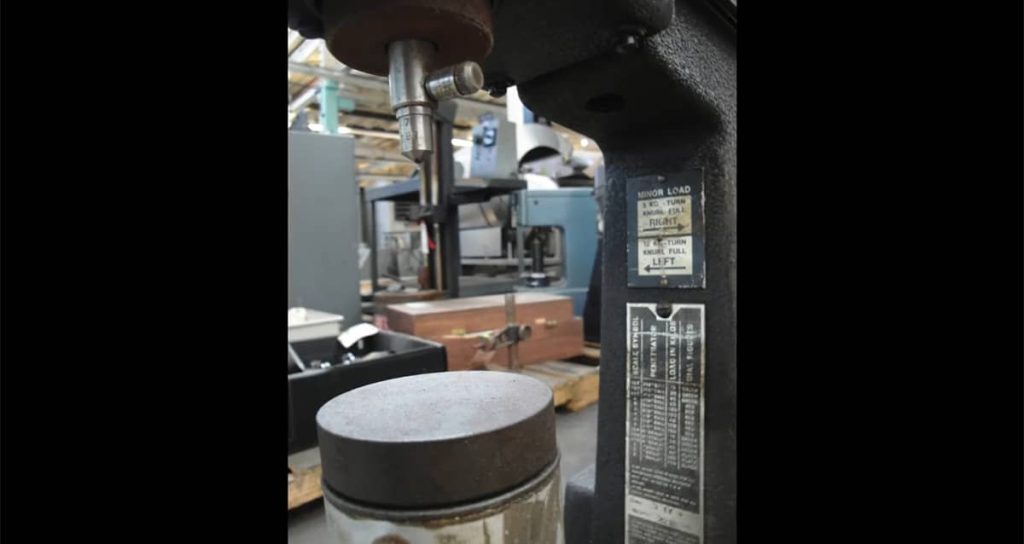
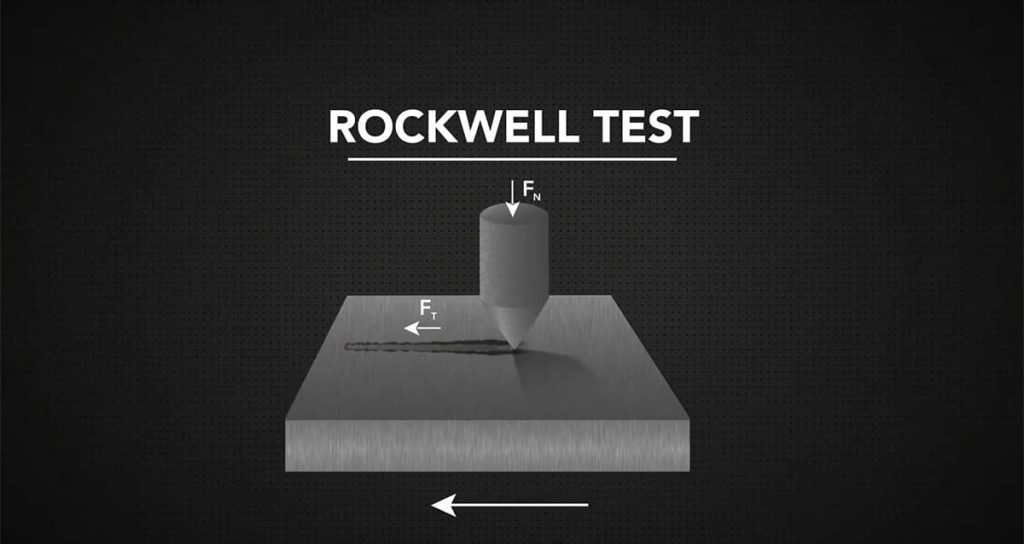
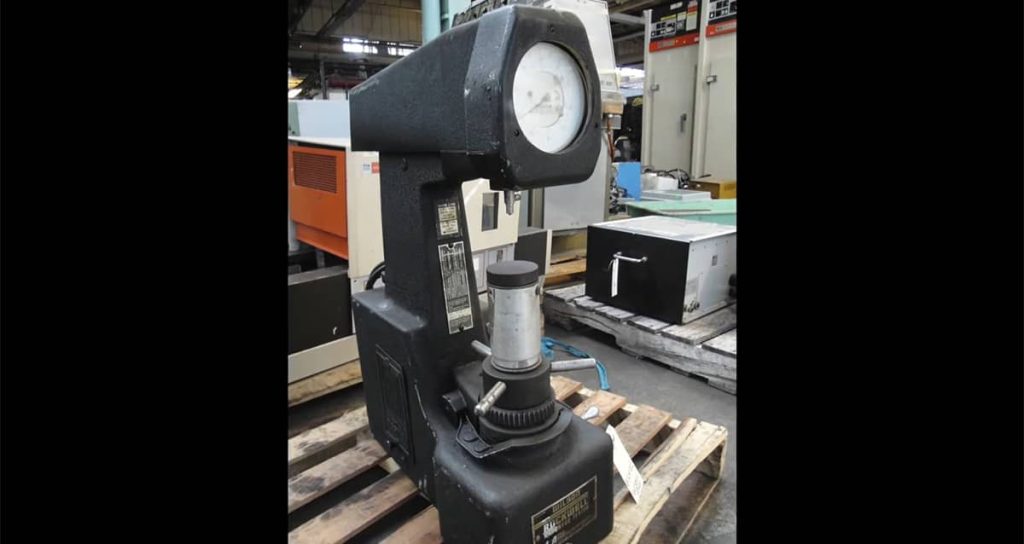
The Rockwell hardness scale measures how deeply an indenter enters a material under a set load. A softer metal allows a deeper impression, while a harder metal resists it. That is why hardness testing is one of the most common mechanical property checks. It is quick, practical, and does not destroy the workpiece the way a full break test would. In shop use, the Rockwell hardness scale helps answer a simple question: how likely is this metal to resist cutting pressure, wear the blade faster, or need a slower and more controlled cut?
Why Hardness Affects Blade Life and Cut Quality
As metal hardness increases, blade teeth usually face more resistance in the cut. That often means more heat, faster tooth wear, and greater pressure on the saw if the blade choice is poor. The Rockwell hardness scale does not explain everything about machinability, but it gives a useful first warning. A harder alloy may need a tougher tooth material, slower feed, or more attention to coolant and chip control. A softer metal may cut faster, but it can still create problems with the wrong pitch. Hardness is one helpful part of cutting performance, not the whole answer.
Rockwell Hardness Scale and Cutting Performance at a Glance
| Rockwell Hardness Scale Meaning | What It Usually Suggests | Cutting Effect |
|---|---|---|
| Lower hardness reading | Softer surface, less indentation resistance | Easier cutting, but blade choice still matters |
| Mid-range hardness reading | Balanced wear resistance and cut resistance | Often manageable with a standard setup |
| Higher hardness reading | Greater wear and deformation resistance | More blade wear, slower cutting, more heat risk |
| Hardness test use | Quick non-destructive material check | Helps estimate blade demand and cut behavior |
| Related property | Can suggest tensile strength trends | Useful for planning, not setup alone |
Rockwell vs Brinell in Simple Terms
The Rockwell hardness scale and the Brinell test both measure how well a metal resists deformation, but they do it differently. Both use an indenter and judge the result left in the material. In practical shop talk, Rockwell is mentioned more often because it is quick and widely used for steel references and production materials. Brinell is also useful, especially for other material ranges and larger impressions. For cutting performance, both tests help estimate surface resistance. Even so, most discussions about blades, wear, and expected cutting behavior usually refer to Rockwell values first.
Take the Discovering Hardness Quiz at Sawbladeuniversity.com
If you want to test what you know after reading this article, head over to Sawbladeuniversity.com and take the Discovering Hardness quiz. It is a useful way to reinforce the basics of hardness, material behavior, and how those details affect blade wear, cut quality, and setup decisions. It can also help turn the Rockwell hardness scale from a technical term into something more practical and easier to apply in real cutting situations.
What Harder Metal Usually Means at the Saw
• More tooth wear over time
• Greater heat buildup during the cut
• Slower feed rates often work better
• Blade material becomes more important
• Tooth pitch and coolant matter more
• Weak setup shows up faster in the cut
Why Hardness Is Helpful but Not Enough by Itself
The Rockwell hardness scale is useful, but it should not be the only guide for cutting performance. Two metals with similar hardness can still cut differently because of alloy content, work hardening, shape, wall thickness, and surface condition. A round tube, a solid bar, and a hardened plate may not behave the same way even if their hardness numbers are close. That is why experienced users treat Rockwell hardness as a starting point. It helps with blade selection and expectations, but final results still depend on blade condition, machine stability, feed pressure, speed, and the kind of stock being cut.
Good Questions to Ask When Checking Hardness for Cutting
• What Rockwell scale is being used for this metal
• Is the material surface hardened or hardened through the section
• Will stock shape affect the cut more than the hardness number
• Is the blade material suitable for this hardness range
• Does the setup need slower speed or added coolant
• Is hardness being judged without alloy and thickness details
How to Use the Rockwell Hardness Scale More Practically
A practical way to use the Rockwell hardness scale is to let it guide your setup before the first cut. If the material is harder, start with a sharp blade, avoid forcing the cut, and pay closer attention to heat and tooth wear. If hardness is lower, you may have more room in feed speed, but pitch and material support still matter. Hardness testing is helpful because it gives a non-destructive estimate of how a metal resists plastic deformation. That makes it useful for cutting expectations, blade planning, and comparing materials before production work begins.
Also Read: Makita: Practical Guide, Key Terms, and Next Steps
If you are also comparing tools and trying to make sense of brand-specific terms before buying, our Makita: Practical Guide, Key Terms, and Next Steps article is a useful next read. It explains the main Makita terms, highlights what matters when comparing models, and gives practical advice for choosing the right tool for regular work. Reading it alongside this Rockwell hardness scale article can help you connect material hardness, cutting demands, and tool selection more clearly.
A Simple Rockwell Hardness Scale Checklist for Better Cutting
• Check material hardness before choosing a blade
• Match blade type to expected wear level
• Reduce feed pressure on harder metals
• Watch heat, chips, and tooth condition closely
• Use hardness as a guide, not the only rule
• Adjust setup after the first real cut if needed
A Good Place to Leave It
The Rockwell hardness scale helps make cutting performance easier to understand because it connects material hardness to wear, resistance, and likely blade demand. It does not predict every cutting result, but it gives a useful starting point before work begins. If hardness is higher, expect more from the blade and setup. If hardness is lower, do not assume any blade will work well without the right pitch and support. Used properly, the Rockwell hardness scale is one of the simplest ways to make better decisions about metal cutting before problems show up at the saw.