Understanding Machine Movement in Metalworking
In metalworking, machine movement types describe how mechanical force is applied to cut, form, or alter materials. Each operation combines a specific task with a defined motion, such as slicing, pressing, or forming. Recognizing these movements helps operators understand how equipment interacts with materials and where operational exposure may occur during production.
Why Machine Movement Types Matter in Industrial Settings
- Helps identify how material is processed during operations
- Supports safer machine operation and setup procedures
- Assists in selecting appropriate guarding and controls
- Improves communication between operators and maintenance teams
- Provides a foundation for equipment training and awareness
Cutting Motion in Metalworking Machines
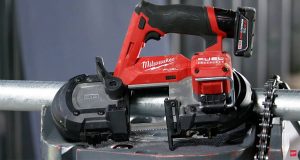
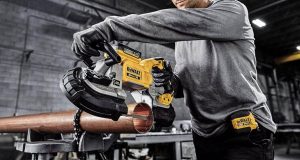
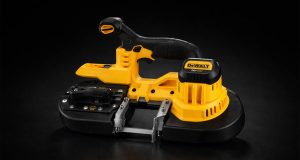
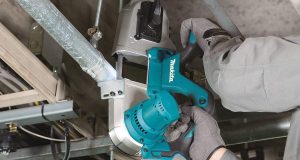
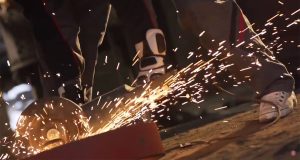
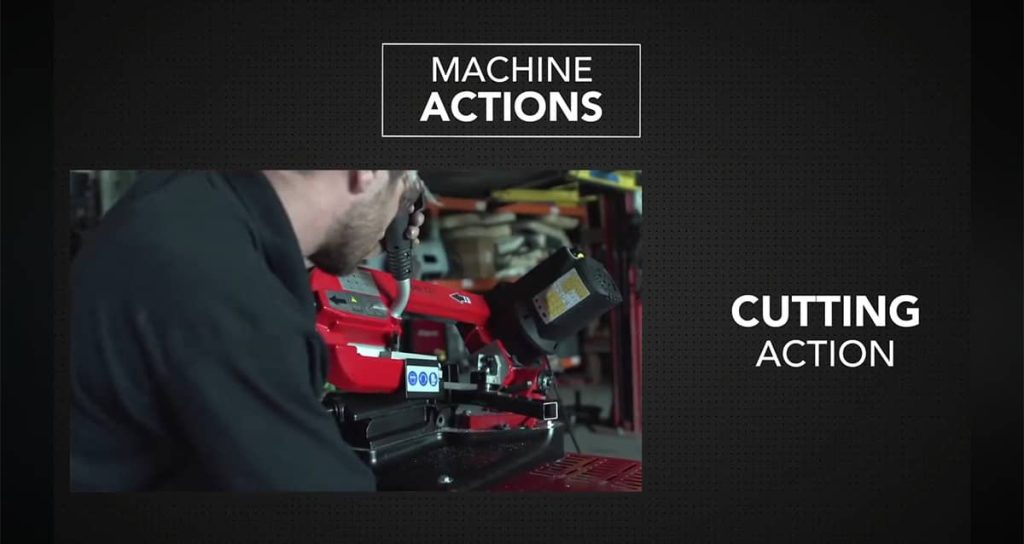
Cutting motion is one of the most common machine actions used in metalworking. This movement occurs when a sharp edge removes material through continuous or reciprocating contact. Machines such as band saws and other cutting equipment rely on this motion to divide stock into workable sections with controlled accuracy.
Punching Motion and Material Separation
Punching motion involves a straight, back-and-forth movement where force is applied through material to create holes or defined shapes. This type of movement is typically seen in press operations where vertical force is applied. Because the motion is fast and forceful, proper spacing between moving parts is required to reduce unintended contact.
Common Machine Movement Types and Their Functions
| Movement Type | Motion Description | Typical Equipment Use | Material Result |
|---|---|---|---|
| Cutting | Continuous or reciprocating slicing | Saws, cutting stations | Material separation |
| Punching | Vertical reciprocal force | Presses | Holes or cutouts |
| Shearing | Sliding motion with angled blades | Shears | Clean edge separation |
| Bending | Downward or lateral forming force | Brakes, forming presses | Material deformation |
Shearing Motion in Metalworking Applications
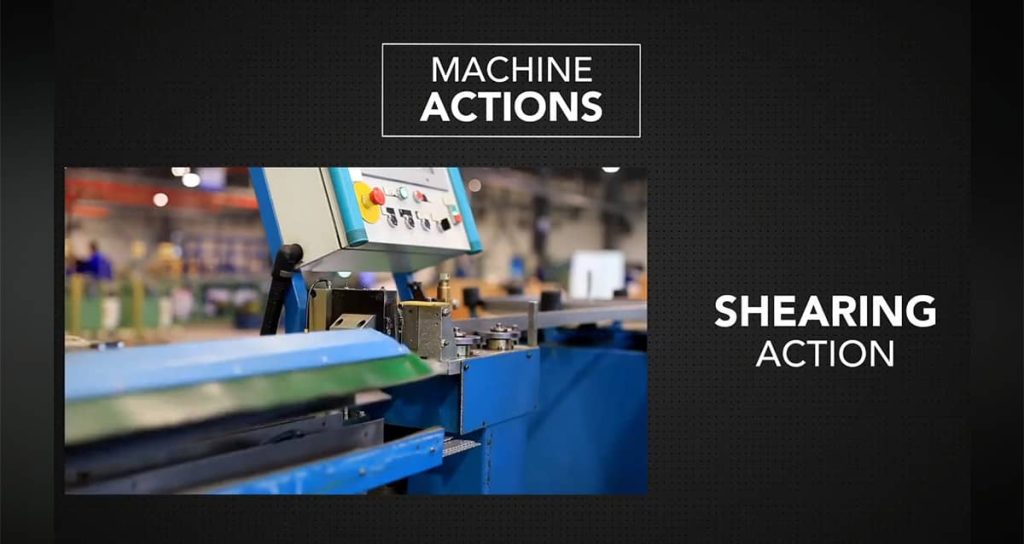
Shearing motion separates material using a sliding action where two surfaces move past each other. Angled blades apply force gradually across the workpiece, allowing material to separate cleanly. This movement is commonly used for trimming sheet metal and produces straight edges when alignment is maintained.
Test Your Knowledge of Machine Actions
To reinforce key concepts discussed in this article, we invite you to take the Understanding Machine Actions quiz on sawbladeuniversity.com. This quiz reviews common machine movement types, how force is applied during operation, and how different motions affect material processing in metalworking environments.
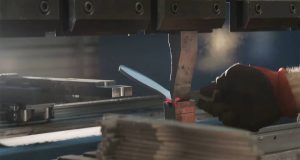
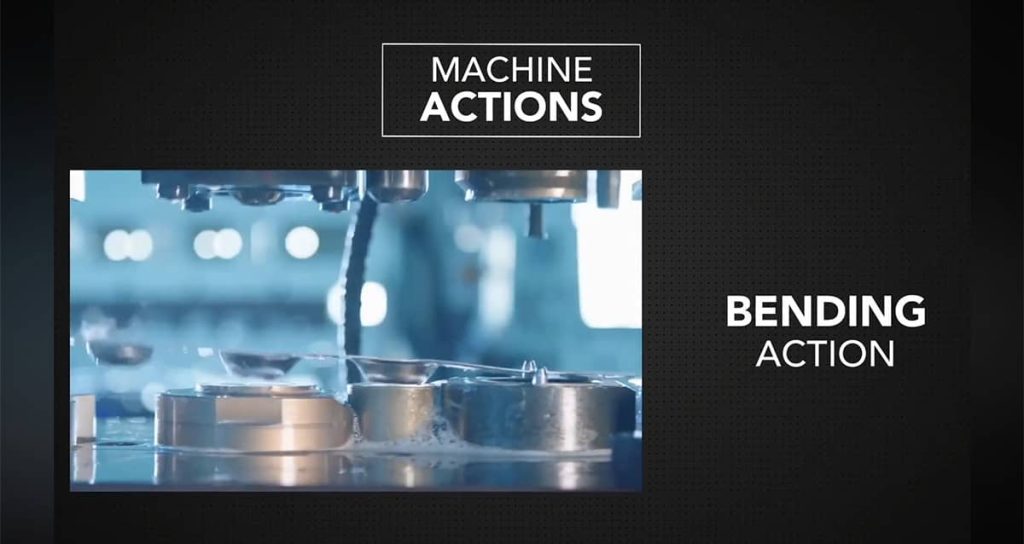
Bending Motion and Controlled Deformation
- Applies force without cutting through material
- Changes material shape rather than separating stock
- Common in forming and shaping processes
- Requires accurate material positioning
- Produces consistent angles and bends
Recognizing Movement Hazards During Operation
Each machine movement type introduces specific exposure points. Cutting, punching, shearing, and bending actions all involve moving components that may affect operators during material handling. Awareness of motion direction and force application supports safer positioning during loading and unloading tasks.
Monitoring Machine Motion During Production
- Observe motion paths during setup
- Keep hands clear of moving components
- Verify guards align with motion direction
- Maintain clear visibility of machine action
- Confirm consistent movement patterns
Related Reading on Saw Maintenance Planning
For readers interested in maintenance strategies beyond daily inspections, we recommend reviewing “Predictive Maintenance for Saws: Techniques and Tools.” This article explains how monitoring methods, condition tracking, and diagnostic tools are used to plan maintenance based on machine condition and operating data, helping reduce unexpected downtime and support consistent saw performance.
Training and Awareness for Machine Movement Types
Understanding machine movement types supports better training and safer daily operation. When operators recognize how force is applied and where movement occurs, they can anticipate equipment behavior during normal use. This awareness supports consistent operation, equipment care, and fewer interruptions during metalworking processes.
Machine movement types in metalworking define how materials are cut, shaped, or formed during manufacturing. By understanding cutting, punching, shearing, and bending motions, operators and supervisors can support safer operation and improved equipment awareness. Clear identification of machine actions helps maintain efficient workflows while reducing exposure during routine metalworking tasks.