What Machinability Ratings Represent
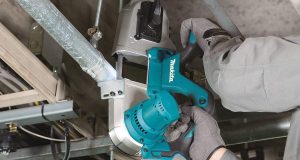
Machinability ratings indicate how easily a metal can be cut when compared to a standard reference material. These ratings help machinists, engineers, and fabricators select metals that support the speed, accuracy, and tool-life demands of a project. Metals with higher machinability ratings typically cut faster, leave smoother surface finishes, and reduce wear on cutting tools.
Main Factors That Influence Machinability
- Base material hardness
- Strength and toughness
- Chemical composition
- Heat treatment
- Thermal conductivity
- Tooling used during machining
- Cutting fluid selection
- Chip formation behavior
How Machinability Helps in Material Selection
Machinability scores simplify the decision-making process when choosing metals for components that require tight tolerances or fast turnaround. Metals that cut easily help shorten machining cycles and extend tool life. More challenging metals may require reduced cutting speeds, rigid setups, or specialty tools. These ratings are particularly helpful when comparing steels, aluminum alloys, and copper-based materials.
Why Machinability Varies Between Metals
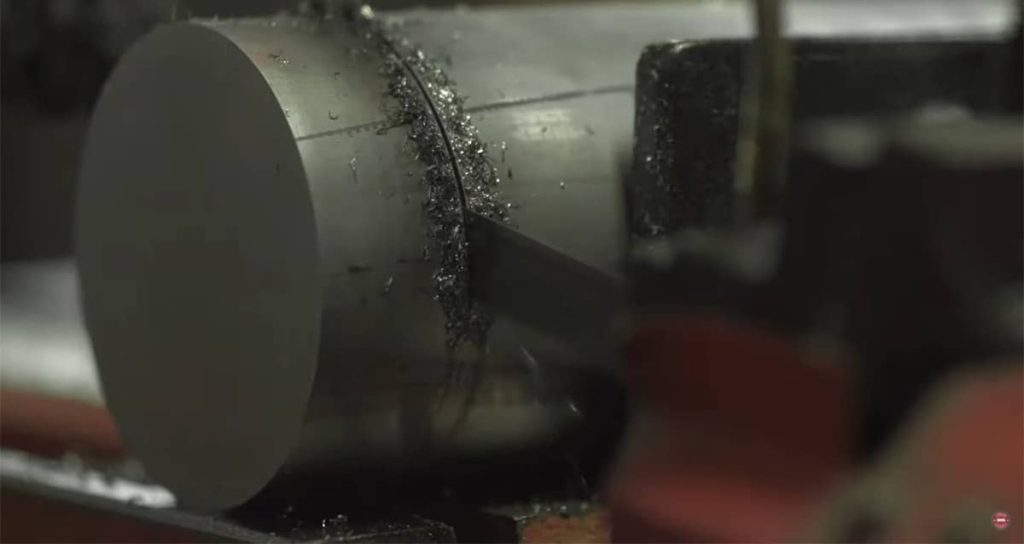
Metals respond differently to cutting forces due to their internal structure and chemical makeup. The alloying elements, processing method, and heat treatment influence friction, chip shape, heat buildup, and tool wear. Free-machining grades, for example, contain additives that break chips faster and lower cutting resistance, making them easier to machine than standard versions.
Common Machinability Rating References
| Metal Type | Typical Machinability Rating | Notes |
|---|---|---|
| 1212 Steel (Reference) | 100% | Standard baseline for rating scale |
| 1018 Steel | ~70% | Good general-purpose machinability |
| 304 Stainless Steel | ~45% | Requires slower speeds and firm tool support |
| 416 Stainless Steel | ~85% | Sulfur improves chip control |
| 6061 Aluminum | ~90% | Forms clean chips and machines quickly |
| Brass (Free-Machining) | 100–150% | One of the easiest metals to machine |
How Cutting Tools Affect Machinability
Tool shape and material play a major role in heat control, chip flow, and overall cutting pressure. Carbide and coated tools often perform better than standard high-speed steel because they maintain a sharper edge and resist heat. Tool geometry matters as well—proper rake angles, clearance, and chip breaker designs help improve performance, especially when machining tough alloys.
Test Your Knowledge of Machinability
If you want to check how well you understand machinability and what affects a metal’s cutting behavior, visit SawbladeUniversity.com and try our quick quiz on What Is Machinability? It’s a simple way to reinforce the basics and sharpen your understanding of how different metals respond during machining.
Common Signs a Metal Has Low Machinability
- Excessive heat during cutting
- Short tool life
- Long, continuous chips
- High cutting forces
- Difficulty achieving smooth finishes
- Frequent need for tool sharpening
How Feed and Speed Settings Influence Machining Ease
Feed rate and cutting speed must match the metal being processed and the tool being used. Softer metals usually support higher speeds, while harder alloys require slower, controlled passes. Proper adjustments reduce vibration, improve chip shape, and keep temperatures stable, resulting in more consistent machining results.
Benefits of Choosing Metals With High Machinability
- Faster machining cycles
- Better surface finish
- Less tool wear
- Lower production costs
- More predictable dimensional accuracy
Want a Clear Breakdown of Material Behavior?
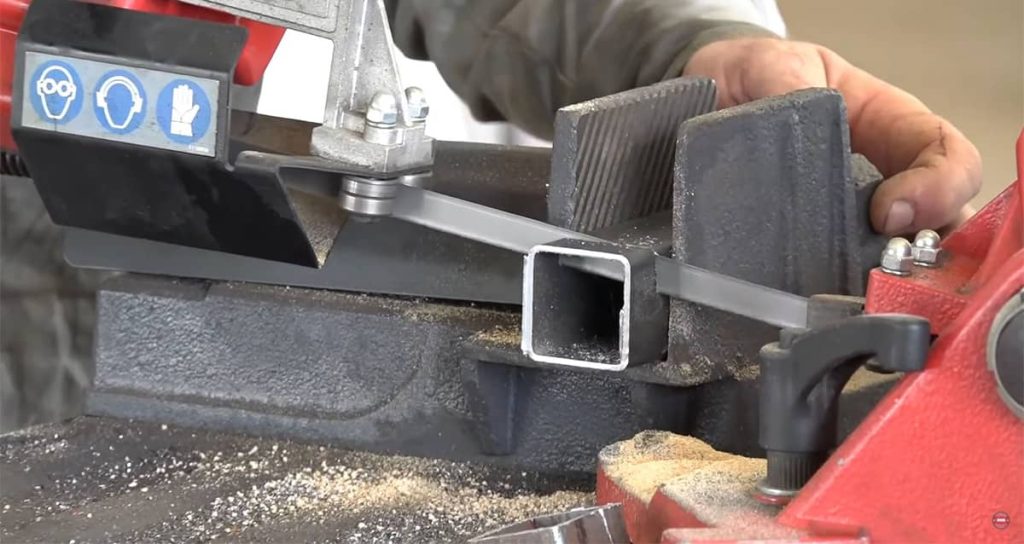
If you’re interested in learning how metals shift from temporary flexibility to permanent shape change under load, be sure to read “Elastic vs. Plastic Deformation: Understanding Material Limits.” It offers a straightforward look at how materials respond to stress and why these limits matter in engineering, machining, and fabrication work.
When Lower-Machinability Metals Are Still the Right Choice
Even if a metal is harder to machine, it may still be selected for reasons such as strength, heat resistance, electrical properties, or corrosion resistance. When this happens, machinists use optimized cutting speeds, carbide tooling, and effective cutting fluids to keep temperatures manageable and maintain tool life.
Machinability ratings provide a direct way to compare how metals behave during cutting operations. By understanding the factors that affect machinability such as hardness, heat treatment, chemical composition, and tooling fabricators can choose materials that match performance and production needs. These ratings help support steady workflow, predictable results, and longer tool life across a wide range of machining tasks.