Understanding Machine Safeguarding in Workshop Environments
Machine safeguarding refers to the methods, devices, and procedures used to limit exposure to moving machine components during operation, setup, and maintenance. In workshop environments, safeguarding focuses on restricting access to areas where mechanical motion, force, or automated movement may cause injury. To meet OSHA compliance requirements, employers must identify these exposure points and apply appropriate protective measures before any task begins.
Why Machine Safeguarding Matters for OSHA Compliance
- Reduces exposure to moving machine components
- Supports consistent safety procedures across equipment
- Helps meet OSHA workshop safety requirements
- Lowers risk during setup, cleaning, and adjustments
- Encourages predictable machine behavior for operators
Safeguarding applies not only during active cutting or processing but also whenever workers interact with machine parts.
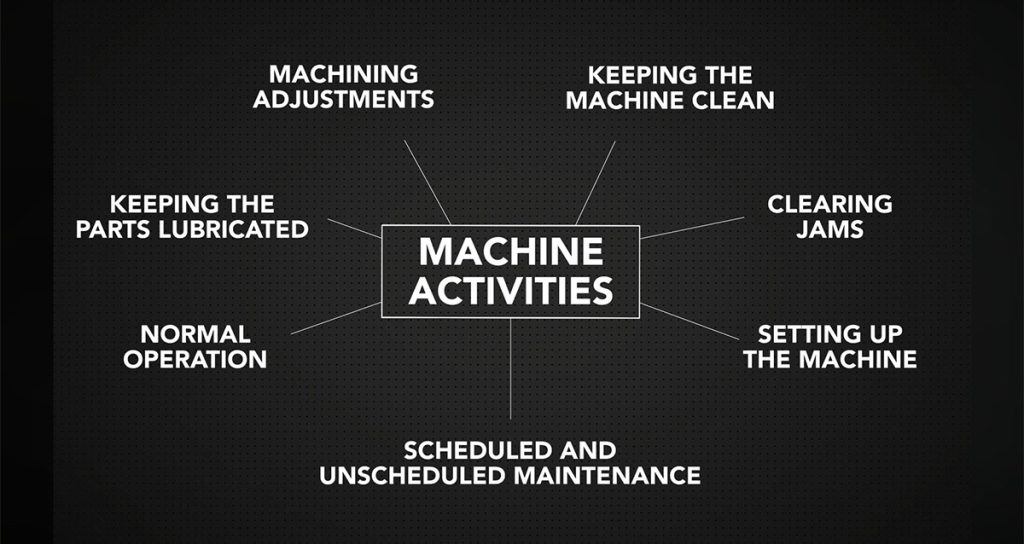
Common Activities That Involve Machine Interaction
In most workshops, employees interact with machinery during many routine tasks. Even when equipment is powered down, stored energy or unintended movement may still occur. OSHA guidance treats these interactions as potential exposure points that require evaluation and proper control measures.
Identifying Machine Motions and Hazard Zones
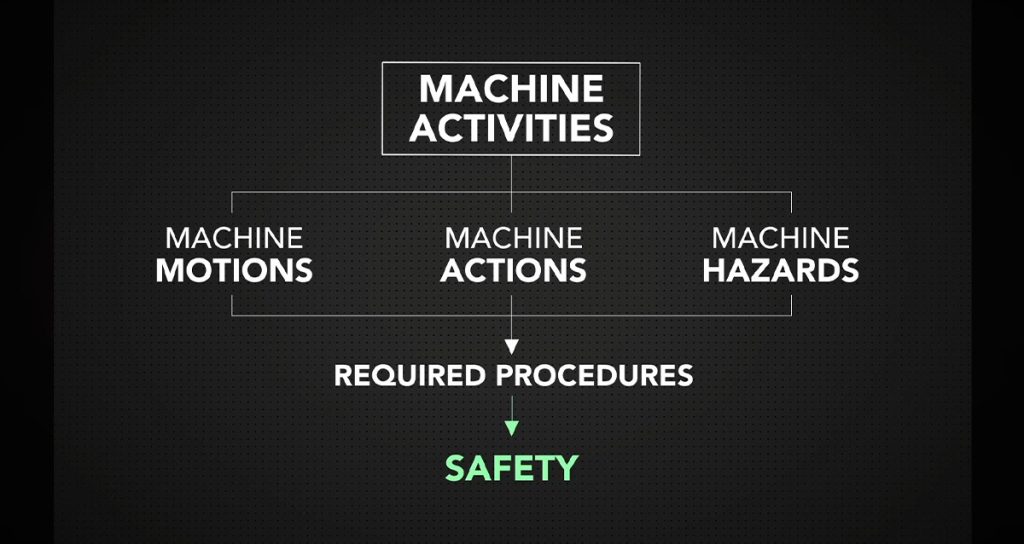
Effective machine safeguarding begins with identifying how equipment moves and where contact could happen. Linear motion, rotation, reciprocation, and sliding actions each introduce different exposure risks. Once these motions are identified, hazard zones can be defined around feed areas, drive mechanisms, and adjustment locations.
Typical Workshop Activities and Safeguarding Focus
| Workshop Activity | Potential Exposure Area | Safeguarding Focus |
|---|---|---|
| Normal operation | Feed and discharge zones | Fixed or adjustable guards |
| Clearing jams | Pinch points and blades | Lockout procedures |
| Machine setup | Adjustment mechanisms | Awareness and spacing |
| Cleaning tasks | Exposed moving parts | Power isolation |
| Maintenance work | Drive components | Temporary guarding |
Breaking work into specific activities helps determine when and where safeguarding is required.
Types of Safeguards Used in Workshops
Safeguards vary based on machine design and workflow requirements. Physical guards, interlocked covers, and distance-based protection are commonly used to restrict contact with moving parts. Administrative controls, such as controlled access and task sequencing, also support OSHA compliance efforts.
Operator Responsibilities During Safeguarded Tasks
- Follow established machine procedures
- Maintain proper positioning around guarded areas
- Avoid bypassing installed safeguards
- Report damaged or missing guards
- Verify machine status before interaction
Consistent operator behavior is as important as the safeguard itself.
Test Your Knowledge: Understanding Machine Activity
Understanding how machines behave during operation, setup, and maintenance is essential for maintaining a safe and organized workshop. To reinforce the concepts discussed in this article, we invite you to take our interactive quiz on Understanding Machine Activity at sawbladeuniversity.com. The quiz reviews common machine tasks, motion types, and exposure points to help confirm your understanding of workplace safety fundamentals. It’s a practical way to check comprehension and strengthen awareness before applying these principles on the shop floor.
Evaluating Safeguards During Maintenance and Setup
Safeguards should be reviewed whenever machine configuration changes. Setup adjustments, lubrication points, and unplanned maintenance can temporarily expose moving components. Reviewing safeguards during these tasks supports continued OSHA compliance and reduces unexpected exposure.
Training and Documentation Requirements
- Task-specific safety instructions
- Clear identification of hazard zones
- Documented safeguarding procedures
- Regular safety briefings
- Visual reminders near equipment
OSHA compliance relies on both physical safeguards and clearly documented processes.
Related Reading: Common Machine Movement Types in Metalworking
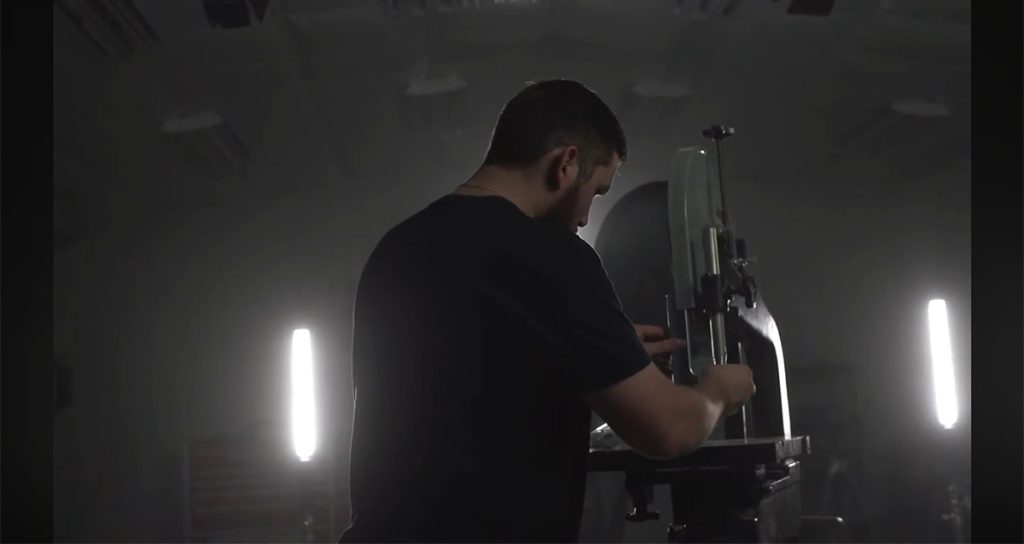
Understanding how machines move is a key part of improving workshop safety and equipment awareness. In our article “Common Machine Movement Types in Metalworking,” we explain how cutting, punching, shearing, and bending motions affect both material processing and operator exposure. Reviewing these movement categories helps clarify where safeguarding is needed and supports better decision-making during machine setup, operation, and maintenance.
Ongoing Review of Machine Safeguarding Practices
Workshop layouts, tooling, and production demands change over time. Periodic evaluations help ensure safeguarding remains aligned with current operations. Reviewing near-miss reports and employee feedback can help refine guard placement and safety procedures.
Machine safeguarding is a foundational element of OSHA compliance in workshop environments. By identifying machine motions, evaluating task-specific exposure, and applying appropriate safeguards, employers support safer interaction with equipment during operation, setup, and maintenance. Regular review and clearly defined procedures help maintain consistent workflows while reducing unnecessary risk.