Why Makita Still Gets Attention from Serious Buyers
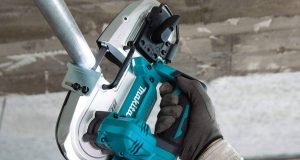
When people compare cordless tool brands for real day-to-day use, Makita keeps coming up for a simple reason: the tools tend to make sense in the hand and on the job. It is not only about battery branding or how many models sit in the catalog. What stands out more is the way many Makita tools are built around routine work, with manageable weight, solid grip design, useful lighting, predictable controls, and a battery platform that becomes more convenient once you are already using it. For anyone looking at Makita band saw options such as the XBP02Z, XBP03Z, XBP04Z, and XBP05ZB, the better approach is to ignore the sales language and focus on the details that actually affect use: cutting capacity, blade length, speed control, balance, and the type of material you cut most often.
The Main Makita Terms Worth Knowing First
• 18V LXT: Makita’s cordless battery platform used across a wide range of tools, making battery sharing one of the biggest practical advantages for repeat buyers.
• BL Brushless Motor: A motor design used on some Makita models that generally runs cooler, requires less maintenance, and stays more consistent during repeated use.
• Star Protection Computer Controls™: Makita’s communication system between tool and battery that helps reduce overload, overheating, and over-discharging.
• Cutting capacity: The maximum size of material the Makita saw can cut in one pass, which is often more useful than raw speed when comparing models.
• Variable speed dial: A control that lets you adjust blade speed to the material, especially useful when switching between conduit, pipe, threaded rod, and heavier stock.
• Tool-only: A Makita package that does not include a battery or charger, which matters when calculating the real total cost.
• One-handed operation: A design feature found on more compact Makita band saw models intended for tighter work areas and overhead cuts.
• Blade length: The blade size required by the tool, which affects replacement cost, availability, and shop standardization.
How to Think About Makita Before Choosing a Model
A useful way to evaluate Makita is to separate platform value from tool value. Platform value comes from the 18V LXT battery system, charge speed, and compatibility across other Makita tools. Tool value comes from how a specific model performs once it is in your hands for repeated cuts. That difference matters. A good battery setup can make a decent tool more worthwhile, but the wrong model can still be the wrong fit even if you already own Makita batteries. For band saw buyers, the decision usually comes down to this: do you need larger cutting capacity for shop or installation work, or do you need a lighter and more compact body for service work, overhead cuts, and tighter access?
Where Makita Band Saws Fit Best in Real Work
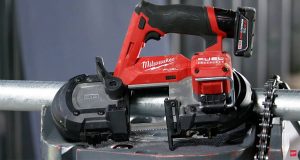
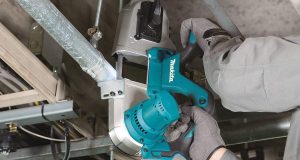
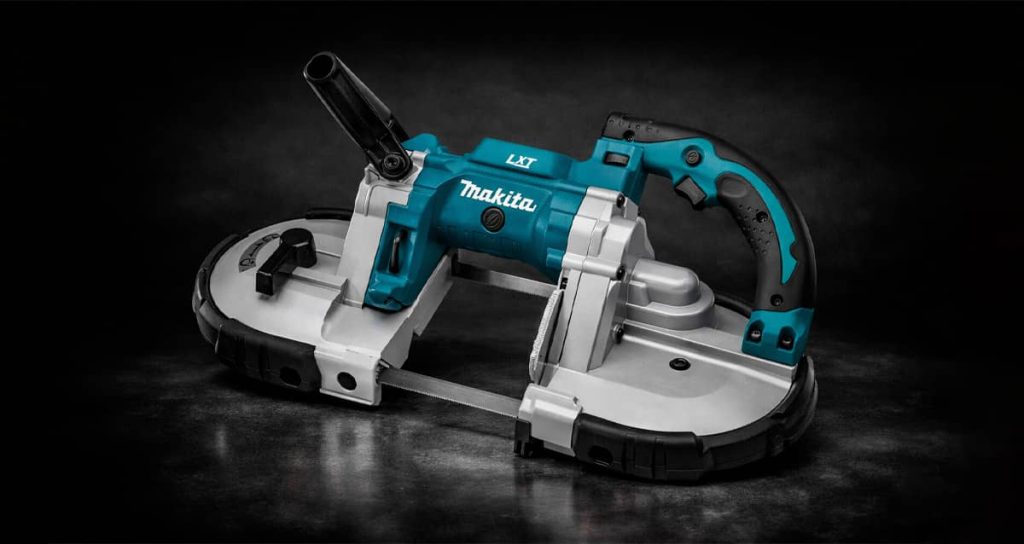
Makita cordless band saws are usually a practical match for electricians, HVAC installers, plumbers, maintenance teams, metal framing crews, and fabricators who want cleaner cuts than abrasive options and do not want a cord getting in the way. In everyday use, the appeal is fairly straightforward: less setup time, quick repeat cuts, and enough mobility to move between ladders, lifts, service vehicles, and unfinished spaces without changing your whole routine. The XBP02Z generally makes more sense for users who want extra capacity, while the XBP03Z, XBP04Z, and XBP05ZB are easier to justify when lower weight, better reach, and compact handling matter more than maximum opening size.
Useful Makita Model Comparison Table
| Makita Model | Best Use Case | Max Cutting Capacity | Blade Length | Variable Speed | Built-in Light | Weight with Battery |
|---|---|---|---|---|---|---|
| XBP02Z | Larger metal stock and wider material range | 4-3/4″ | 44-7/8″ | Yes | Yes | 14.3 lbs. |
| XBP03Z | General metal cutting for installers and service work | 2-1/2″ | 32-7/8″ | No | Yes | 9 lbs. |
| XBP04Z | Tight spaces and overhead use with brushless efficiency | 2-5/8″ | 32-7/8″ | Yes | Yes | 7.9 lbs. |
| XBP05ZB | Very compact one-handed cutting for lighter mobile work | 2″ | 28-3/4″ | No | Yes | 7.3 lbs. |
What the Specs Actually Mean When You’re Working
Makita specs become more useful when you translate them into what happens during a full workday. A larger cutting capacity sounds attractive, but it usually also means more weight and a longer tool, which you notice after hours of carrying and cutting. Variable speed is genuinely helpful when working across different metals because it gives you more control and can help the blade behave more consistently as material thickness changes. Built-in LED lighting may look minor in a product listing, but it becomes far more useful in ceiling spaces, mechanical rooms, and darker interior work. On compact Makita models, brushless motor design matters less as a talking point and more because it helps with smooth repeat performance and lower maintenance over time.
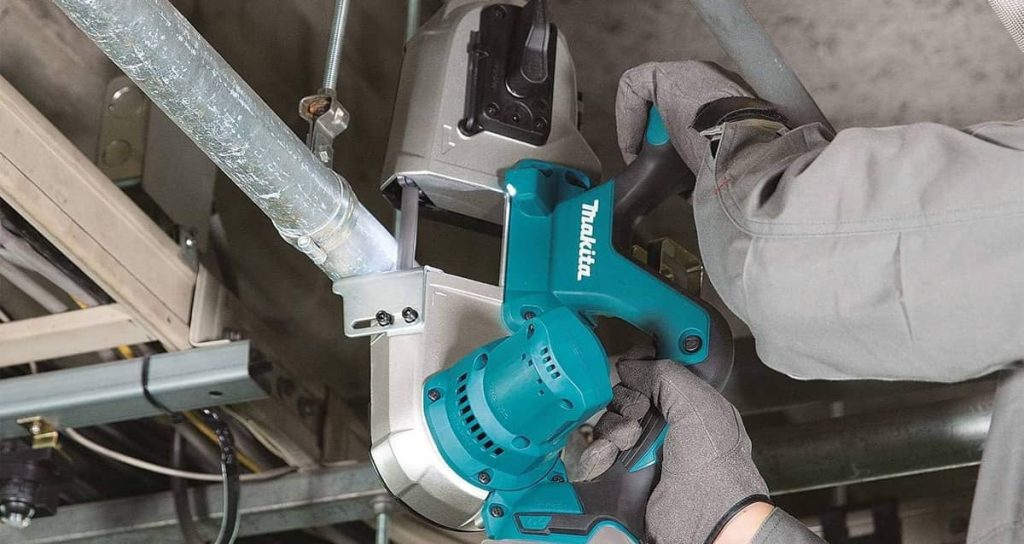
A Closer Look at Four Popular Makita Options
• Makita XBP02Z is the larger-capacity option and suits users who need to cut a wider range of metal materials without moving to a corded setup. Its 4-3/4″ capacity and variable speed control make it the heavier-duty choice in this group.
• Makita XBP03Z is a solid middle-ground model for common installation work. It offers a practical 2-1/2″ capacity, strong blade speed, and easier carrying than the XBP02Z.
• Makita XBP04Z is a compact brushless model with variable speed and a 2-5/8″ capacity, making it one of the more balanced choices for buyers who want lighter weight and better control.
• Makita XBP05ZB is the smallest option here and fits lighter repetitive cutting where low weight and one-handed use matter more than larger capacity.
• Makita battery compatibility is a real buying factor across all of these because the tool-only price is only part of the cost if batteries and a charger are still needed.
• Makita safety and control features such as lock-off triggers, stopper plates, blade guarding, and rubber bumpers may not be flashy, but they make a difference over repeated site use.
The Makita Features That Usually Matter Most After Purchase
After the first few weeks, most owners stop paying attention to brochure phrases and start noticing the smaller details that affect real use. They notice whether the hook is actually useful, whether blade changes are quick or frustrating, whether the grip stays comfortable with gloves on, and whether the saw feels balanced during overhead cuts. That is usually when Makita model differences become clearer. The XBP04Z and XBP05ZB tend to feel easier to carry and less tiring over a long day, while the XBP02Z earns its place when the larger capacity saves time and avoids switching tools. In most cases, the best Makita model is not the one with the biggest numbers, but the one that keeps matching your regular work without becoming a burden.
Common Makita Buying Mistakes to Avoid
• Buying a larger Makita model because it looks stronger, even though most of your cuts are on smaller conduit, rod, or tubing.
• Looking only at the tool-only price and forgetting to include battery and charger needs in the total cost.
• Ignoring blade length and later finding out your usual supplier does not stock the right replacement size.
• Assuming every Makita band saw includes variable speed when some models do not.
• Choosing based on weight alone without considering capacity and the size of material you cut most often.
• Forgetting that compact Makita models can be easier to live with on real jobs, even when a larger model seems better on paper.
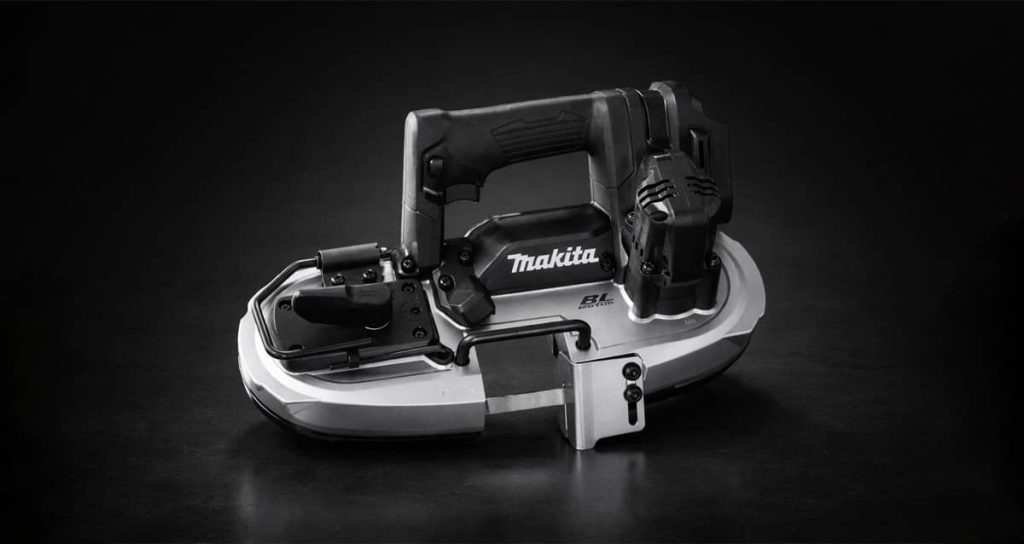
How to Decide Which Makita Model Fits Your Work
The easiest way to choose a Makita band saw is to begin with the material you cut most often, not the material you may cut once in a while. If your routine work includes larger stock and a wider range of metal sizes, the XBP02Z gives you more room to work. If your day is built around service calls, installation, and repeated cuts in common jobsite materials, the XBP03Z is a sensible starting point. If you want a lighter Makita option with brushless motor design and compact handling, the XBP04Z is often the most balanced pick. If tight access and low weight matter most, the XBP05ZB is usually the better fit.
Also Read: Dewalt: Practical Guide, Key Terms, and Next Steps
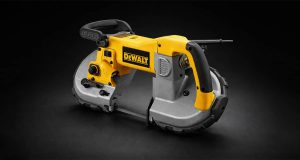
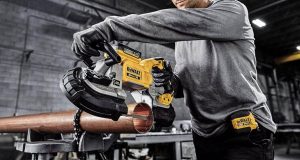
If you are still comparing tool platforms before making a purchase, it is worth taking a look at our Dewalt: Practical Guide, Key Terms, and Next Steps article as well. It follows the same practical approach, helping you understand the main terms, compare what matters in real use, and narrow down which Dewalt tools make the most sense for your type of work. Reading both guides side by side can make it much easier to spot the differences in handling, battery systems, and overall fit for your day-to-day jobs.
Next Actions for a Smarter Makita Purchase
• List the three materials you cut most often and note their usual sizes.
• Check whether you already own Makita 18V LXT batteries with the Star symbol.
• Compare weight and cutting capacity side by side before looking at price alone.
• Confirm the blade length for the Makita model you are considering so replacements stay simple.
• Decide whether variable speed is useful for your work or simply optional.
• Think about where the tool will be used most often, such as bench work, service calls, overhead tasks, or tight mechanical spaces.
• Choose the Makita model that fits your routine work first rather than the rare edge case.
A Good Place to Leave It
Makita makes the most sense when you look at it practically. The value is not only in the brand name or the battery platform, but in choosing a model that matches your material, your pace of work, and how long the tool stays in your hand during the day. Once you compare the XBP02Z, XBP03Z, XBP04Z, and XBP05ZB through that lens, the choice usually becomes much clearer. Start with your usual cuts, match them to capacity and handling, and you are far more likely to end up with a Makita tool that feels right on the job instead of one that only looked good in a listing.