Understanding Portable Band Saws
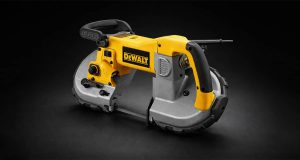
Portable band saws are compact cutting tools designed for accurate, controlled material separation in both shop and jobsite environments. Unlike stationary machines, these saws allow the operator to bring the tool directly to the workpiece. Their continuous-loop blade design supports steady cutting action while limiting vibration, making portable band saws well suited for repeatable straight cuts across multiple material types.
Common Uses of Portable Band Saws
Portable band saws are frequently selected for applications that require mobility and controlled cutting:
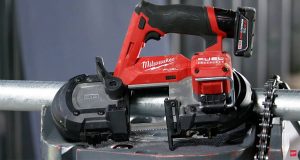
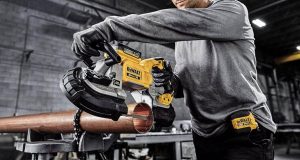
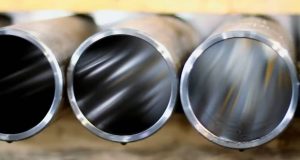
- Cutting metal pipe, conduit, and tubing to length
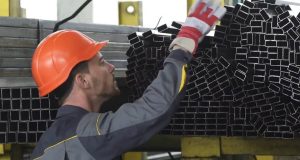
- Trimming bar stock and structural profiles
- Performing maintenance and installation work on-site
- Supporting fabrication tasks where stationary equipment is impractical
These tasks benefit from the balance of portability and cutting stability offered by portable band saws.
How Portable Band Saw Cutting Works
Band sawing relies on a toothed blade that travels in a continuous loop to separate material into two sections. As the blade moves, it applies consistent cutting pressure, which helps limit heat buildup and material distortion. In portable band saws, blade speed and feed pressure are controlled by the operator, allowing adjustments based on material type and thickness.
Portable vs. Stationary Band Saw Designs
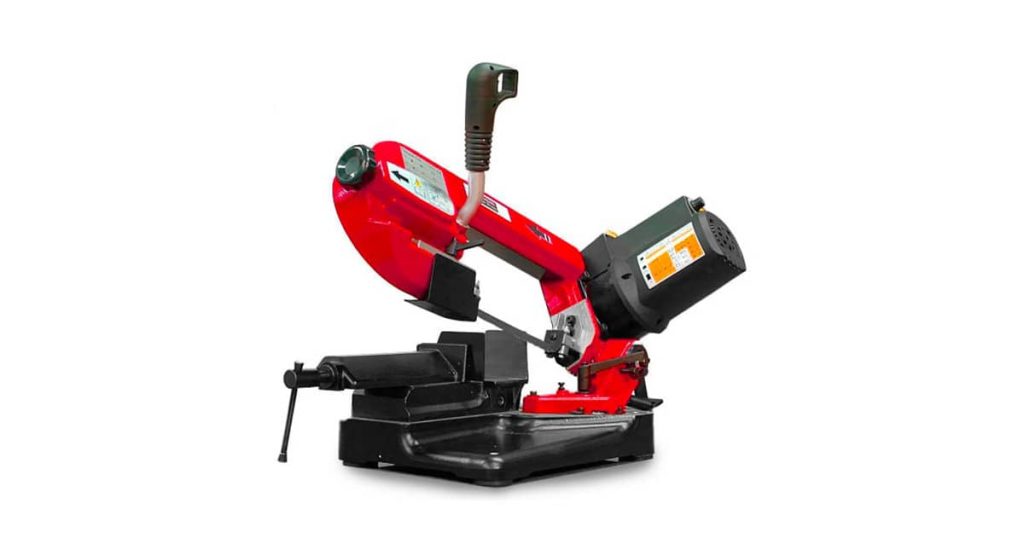
Portable band saws differ in size and function when compared to horizontal and vertical shop machines. Horizontal band saws are commonly used to cut long stock to length using fixed clamping. Vertical band saws keep the blade stationary while material is guided into the cut, allowing angled and shaped cuts. Portable band saws combine aspects of both by offering straight-cut accuracy in handheld or stand-mounted configurations.
Key Portable Band Saw Characteristics
| Feature | Description |
|---|---|
| Blade Type | Continuous-loop toothed band |
| Typical Use | Straight cuts on metal stock |
| Mobility | Handheld or stand-supported |
| Cutting Orientation | Operator-guided feed |
| Setup Time | Minimal compared to stationary saws |
These characteristics explain why portable band saws are widely used in both field and shop settings.
Blade Selection and Cutting Performance
Blade choice has a direct effect on cutting efficiency and surface finish. Tooth pitch, blade width, and material compatibility all influence results. Selecting a blade matched to the stock being cut helps control feed pressure, reduce vibration, and maintain consistent blade tracking throughout the cut.
Test Your Knowledge of Band Saw Types
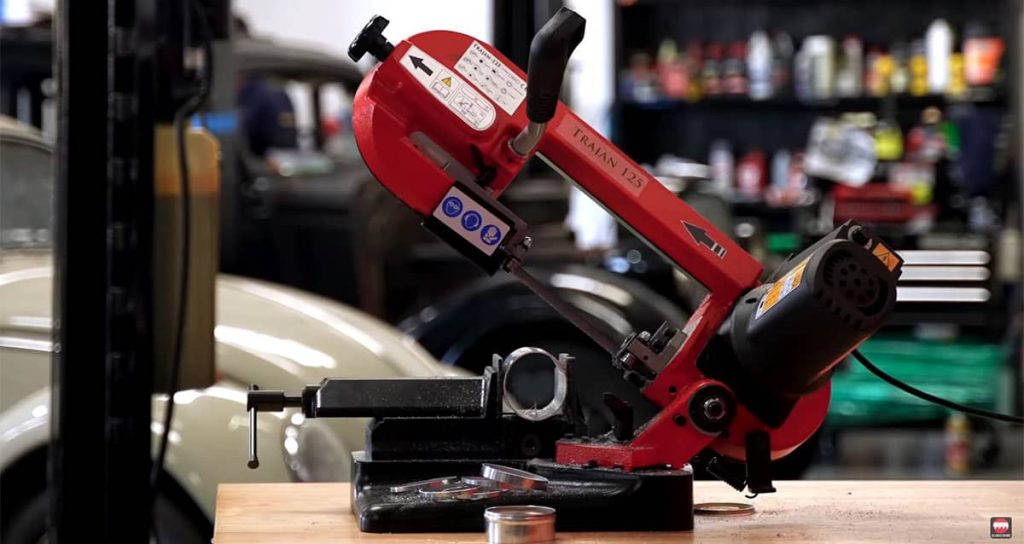
If you want to check your understanding of different band saw designs and their uses, we invite you to take the “Types of Band Saws” quiz on sawbladeuniversity.com. The quiz reviews key differences between portable, horizontal, and vertical band saws, helping reinforce how each type is used in practical cutting situations.
Essential Portable Band Saw Terms
Understanding common terminology helps operators adjust settings and select components correctly:
- Tooth Pitch – Number of teeth per inch on the blade
- Feed Pressure – Force applied during cutting
- Blade Tracking – Blade position on the drive wheels
- Cut Capacity – Maximum material size the saw can handle
These terms are commonly referenced when evaluating blade performance and saw setup.
Maintenance Considerations for Portable Band Saws
Routine inspection supports reliable operation over time. Clearing chips from the blade path, monitoring guide alignment, and checking blade tension all help maintain steady cutting behavior. Because portable band saws often encounter varied materials and cutting angles, regular blade inspection is especially important.
Learn How Ductile Iron Performs in Real Applications
Understanding material properties is important when selecting metals for manufacturing or fabrication. Our article, “Ductile Iron: Practical Guide, Key Terms, and Next Steps,” explains how ductile iron behaves under load, outlines essential terminology, and reviews where this material is commonly used. It is a helpful reference for readers looking to strengthen their understanding of ductility and material performance.
Typical Materials Cut with Portable Band Saws
Portable band saws are commonly used on:
- Mild and structural steel
- Aluminum and other non-ferrous metals
- Stainless steel tubing
- Thin-wall pipe and conduit
Matching blade specifications to these materials supports predictable cutting results and stable blade performance.
Choosing the Right Portable Band Saw Setup
Selection depends on cutting frequency, material size, and work environment. Some users prefer handheld operation for flexibility, while others rely on portable stands for repeatable straight cuts. Reviewing blade availability, cut capacity, and adjustment features helps support consistent long-term use.
Portable band saws provide a practical cutting option where mobility, accuracy, and material control are required. By understanding cutting principles, blade selection, maintenance practices, and key terminology, operators can maintain steady performance and extend blade service intervals across a wide range of applications.