What Is Stainless Steel Cutting?
Stainless steel cutting includes machining and thermal processes used to separate or shape stainless alloys into functional components. This material family contains chromium, which creates a passive oxide layer that improves corrosion resistance while increasing work hardening during machining. Compared with standard carbon steels, stainless steel requires stable setups, controlled cutting parameters, and tooling adapted to higher strength and lower thermal conductivity.
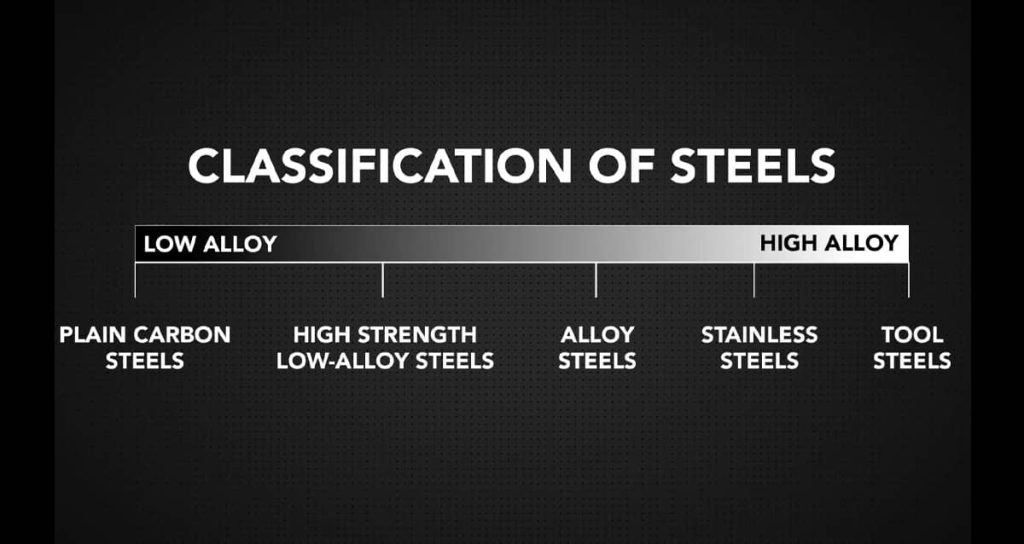
Common Stainless Steel Grades Used in Cutting Operations
- Austenitic stainless steels (e.g., 304, 316): High corrosion resistance and strong work hardening tendency
- Ferritic stainless steels (e.g., 430): Magnetic structure with lower nickel content
- Martensitic stainless steels (e.g., 410): Higher hardness after heat treatment
- Duplex stainless steels: Balanced mechanical strength and corrosion resistance
- Precipitation-hardening grades (e.g., 17-4 PH): Suitable for load-bearing applications
Why Stainless Steel Requires Specific Cutting Parameters
Nickel and chromium influence chip formation and heat transfer during machining. Stainless steel retains heat near the cutting interface, which increases tool wear and raises the risk of built-up edge formation. Lower cutting speeds combined with higher feed rates are often recommended to support chip control and reduce excessive strain hardening on the machined surface.
Recommended Cutting Parameters by Stainless Steel Family
| Stainless Steel Type | Cutting Speed (m/min) | Feed Rate (mm/rev) | Tool Material | Cooling Strategy |
|---|---|---|---|---|
| Austenitic | 40 – 120 | 0.08 – 0.25 | Carbide | Emulsion coolant |
| Ferritic | 60 – 150 | 0.10 – 0.30 | Coated carbide | Flood cooling |
| Martensitic | 50 – 100 | 0.06 – 0.20 | Cermet | Oil-based coolant |
| Duplex | 30 – 90 | 0.05 – 0.18 | PVD-coated carbide | High-pressure coolant |
Key Terms to Understand Before Machining Stainless Steel
Understanding technical terminology supports consistent machining strategies. Terms such as cutting speed, feed per tooth, depth of cut, and surface finish (Ra) are used to define machining parameters. Tool geometry, rake angle, and coating type also influence heat distribution and chip evacuation during stainless steel cutting operations.Tool Selection for Stainless Steel Cutting
The choice of cutting tool depends on the stainless steel grade and the machining objective. Cemented carbide inserts with wear-resistant coatings such as TiAlN are frequently used due to their thermal stability. Positive rake geometries help reduce cutting forces and limit deformation within the shear zone.
Explore More Cutting Resources Online
For additional guidance on cutting techniques, machining fundamentals, and tooling recommendations, visit our website at sawbladeuniversity.com. You’ll find technical content focused on improving cutting performance, understanding material behavior, and supporting better decision-making across metalworking applications.
Cutting Methods for Stainless Steel Components
- Laser cutting for thin sheet material
- Waterjet cutting for heat-sensitive components
- Plasma cutting for structural sections
- CNC milling for complex geometries
- Turning for cylindrical parts
The Role of Coolant in Stainless Steel Machining
Coolant reduces friction at the tool–chip interface and stabilizes temperature during material removal. Proper coolant application helps maintain dimensional accuracy, minimizes tool flank wear, and improves surface integrity in stainless steel components.
Typical Machining Challenges
- Built-up edge formation
- Rapid tool wear
- Work hardening
- Chip adhesion
- Surface tearing
Continue Learning About Cutting Applications
To expand your understanding of cutting processes across different materials and applications, you can also read our article titled Cordless Saws: Practical Guide, Key Terms, and Next Steps. It outlines essential terminology, operating principles, and usage considerations related to cordless sawing equipment used in fabrication and on-site operations.
Process Optimization Tips
- Use rigid machine setups
- Maintain constant chip load
- Select sharp cutting edges
- Avoid dwell time in cut
- Apply consistent coolant flow
Surface Finish Considerations
Surface roughness in stainless steel cutting is influenced by feed rate, tool nose radius, and vibration levels. Lower feed rates combined with stable fixturing improve Ra values and reduce the need for secondary finishing processes.
Next Steps for Improving Stainless Steel Cutting Performance
- Audit current cutting parameters
- Evaluate tool wear patterns
- Test alternative coatings
- Optimize coolant delivery
- Monitor surface finish metrics
Stainless steel cutting requires process stability, suitable tooling, and controlled thermal conditions. Applying appropriate machining parameters for each stainless steel grade supports consistent part quality, extended tool life, and reliable production results.