Why Cutting Stainless Steel Requires a Different Approach
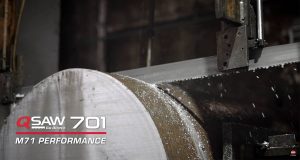
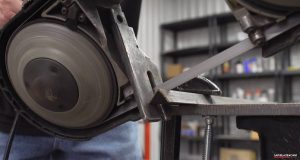
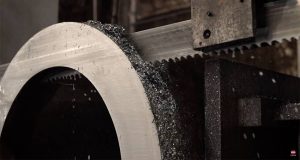
Cutting stainless steel differs significantly from cutting mild or carbon steel. Stainless alloys are designed to resist corrosion and surface damage, which also increases cutting resistance. If cutting methods are not selected carefully, heat buildup, accelerated tool wear, and surface hardening can occur quickly. Using the correct approach helps maintain cut quality while reducing unnecessary stress on tools.
Common Challenges When Cutting Stainless Steel
- Heat buildup during cutting operations
- Work hardening along the cut edge
- Faster tool wear compared to carbon steel
- Added resistance due to alloy content
- Surface discoloration when cutting speed is not controlled
Understanding Stainless Steel Classifications
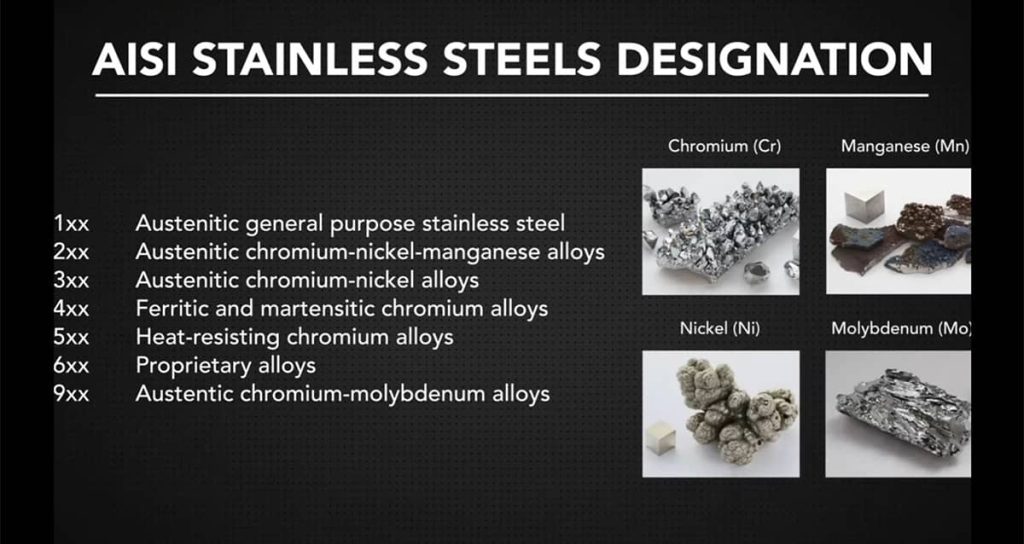
Stainless steel does not follow the traditional four-number steel classification system. Instead, it uses a three-number system defined by AISI. This system categorizes stainless grades based on alloy composition. Many stainless steels include chromium, nickel, and manganese, which influence corrosion resistance and cutting behavior. Identifying the grade helps determine suitable cutting speeds and tool selection.
Why Chromium Matters in Stainless Steel
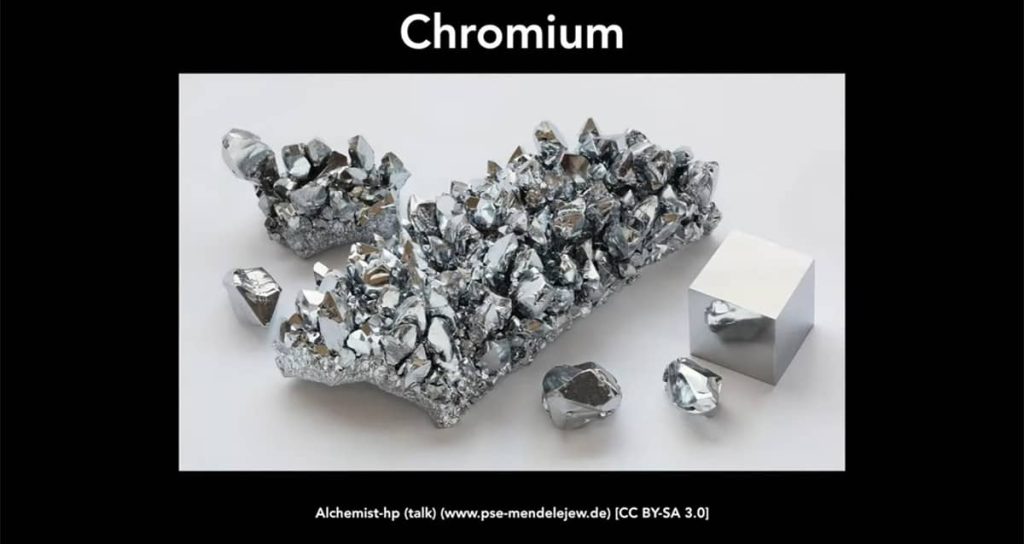
Chromium is a defining element in stainless steel. It forms a protective surface layer that limits rust and corrosion. While this property makes stainless steel well suited for kitchen and medical equipment, it also increases resistance during cutting. Consistent feed rates and steady cutting pressure help limit surface hardening caused by this alloy content.
Common Steel Types and Their Cutting Characteristics
| Steel Type | Key Properties | Typical Uses |
|---|---|---|
| Plain carbon steel | Moderate strength, easier to cut | Structural components |
| Alloy steel | Added elements for strength | Machinery parts |
| Stainless steel | Corrosion resistance, tough | Kitchen and medical equipment |
| Tool steel | High hardness and durability | Forming and cutting tools |
| HSLA steel | Strength with reduced weight | Automotive components |
Tool Steels Compared to Stainless Steel
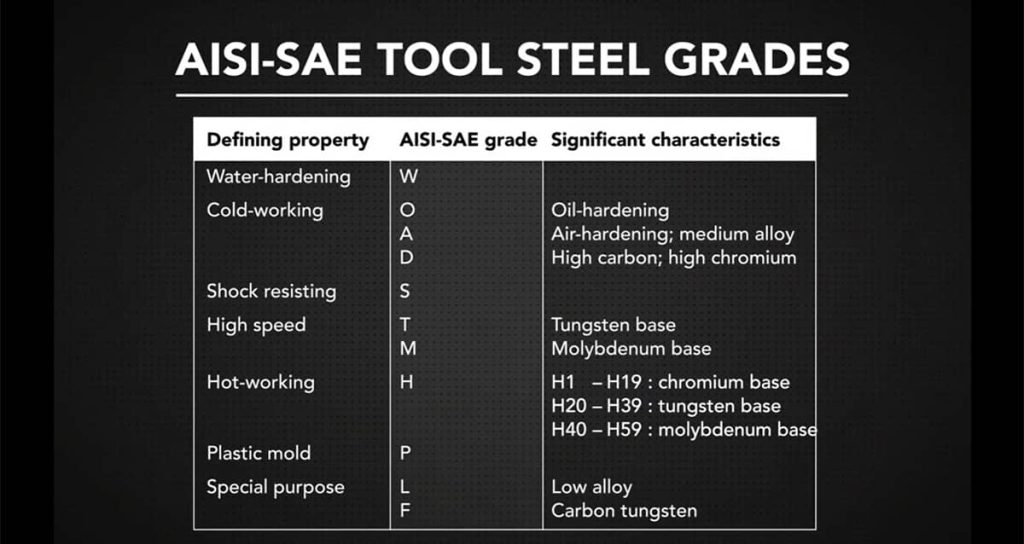
Tool steels are developed to form and shape metal, making them extremely hard and resistant to wear. Stainless steel, while not intended for shaping other metals, still presents cutting resistance because of its alloy composition. Understanding these differences helps guide blade choice, feed rate, and cutting speed when working with stainless materials.
Test Your Knowledge on Steel Varieties
If you want to check how well you understand different steel types and their properties, take the Varieties of Steel quiz on Sawblade University. This short quiz helps reinforce key concepts related to steel classification and material behavior, making it a useful follow-up to your reading.
Best Practices for Cutting Stainless Steel
- Use sharp, purpose-built cutting tools
- Maintain steady feed pressure throughout the cut
- Control cutting speed to limit heat buildup
- Apply coolant or lubrication when possible
- Avoid stopping mid-cut to reduce surface hardening
Key Terms Related to Stainless Steel Cutting
Cutting stainless steel involves terminology linked to alloy content, heat control, and material response. Terms such as work hardening, corrosion resistance, and alloy composition are commonly used when evaluating cutting methods and adjusting processes for better results.
Read Our Guide on DCS371 Size and Setup
Understanding tool size is an important part of planning an efficient cutting setup. For a clear breakdown of dimensions, terminology, and setup considerations, take a moment to read our related article “DCS371 Size: Practical Guide, Key Terms, and Next Steps.” It provides useful information to help plan compatible setups and make informed equipment decisions.
Selecting the Right Stainless Steel Grade for the Job
Different stainless steel grades respond differently during cutting. Some grades focus on corrosion resistance, while others emphasize strength. Matching the grade to the application helps improve cutting efficiency and supports consistent results during repeated operations.
Successful stainless steel cutting relies on understanding material composition, choosing suitable cutting methods, and monitoring tool condition. With proper preparation and controlled technique, stainless steel can be cut accurately while supporting tool longevity and reliable material performance.