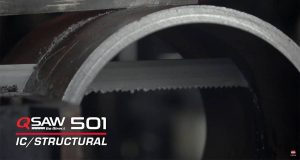
Understanding Why Structural Steel Demands a Specific Blade Approach
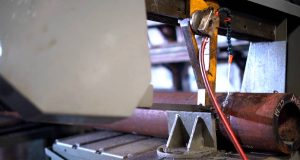
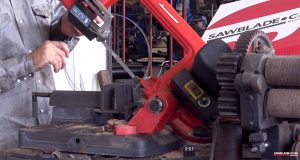
Cutting structural steel presents unique challenges that generic band saw blades simply cannot handle well. Unlike solid bar stock or plate, structural shapes like I-beams, channels, angles, and tubing feature varying cross-sections that change constantly as the blade moves through the cut. One moment the blade encounters a thin web, and the next it hits a thick flange. This inconsistency creates stress on the teeth, generates uneven chip loads, and often leads to premature blade failure when using the wrong blade type. Choosing the right band saw blade for structural steel means understanding these specific demands and matching blade characteristics to the material properties and cutting conditions you face daily in your shop.
Key Factors That Influence Blade Selection for Structural Shapes
- Tooth geometry and set pattern designed for interrupted cuts
- Material grade of the cutting edge, particularly M-42 cobalt high-speed steel options
- Blade width and thickness appropriate for your machine and material size
- TPI (teeth per inch) configuration that maintains proper tooth engagement
- Backer material quality that resists fatigue during extended production runs
- Heat treatment and edge preparation that reduce break-in requirements
- Vibration dampening characteristics that protect teeth during entry and exit points
- Compatibility with your band saw type, whether manual, semi-automatic, or fully automated
Why Interrupted Cut Tooth Designs Matter for Beams and Tubing
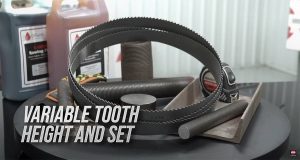
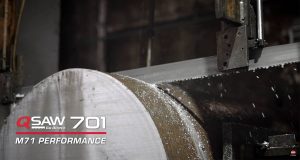
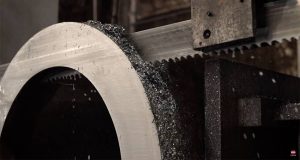
Structural steel shapes constantly interrupt the cutting action. When a blade exits material at the inner web of an I-beam and re-enters at the opposite flange, conventional tooth patterns experience shock loading that chips or strips teeth. Blades engineered with interrupted cut (IC) tooth designs anticipate these conditions. The tooth spacing and set patterns on IC blades prevent groups of teeth from simultaneously engaging and disengaging, which distributes cutting forces more evenly. This design also reduces the tendency for blades to grab or over-feed when transitioning between thick and thin sections, giving operators better control and extending blade life significantly compared to standard configurations.
Quick Check
Why do variable pitch patterns like 5/7 or 8/11 TPI work well on structural steel?
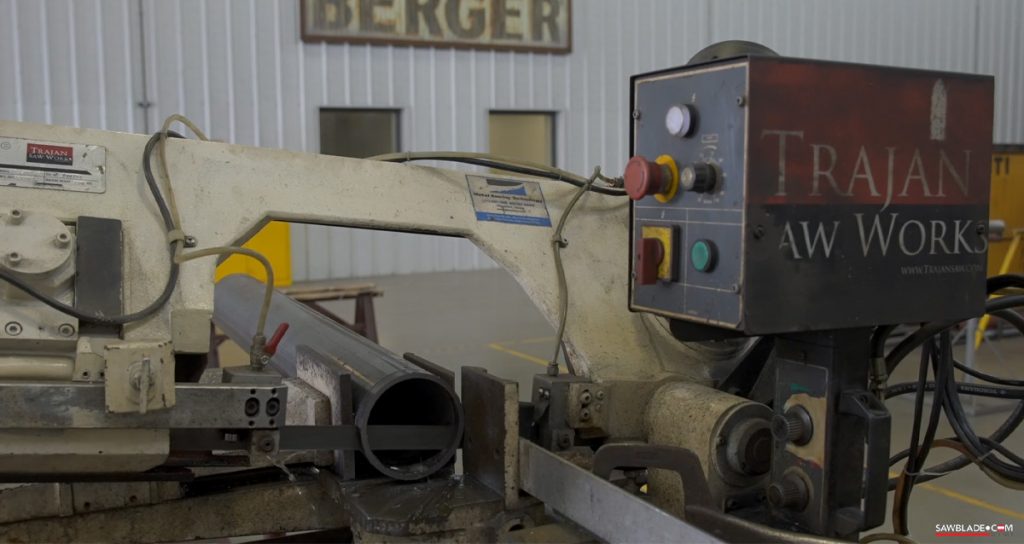
Matching TPI Patterns to Structural Steel Applications
Teeth per inch selection directly impacts cut quality, blade life, and cutting speed when working with structural steel. Variable pitch patterns like 5/7 and 8/11 TPI work especially well because they maintain multiple teeth in contact even as wall thickness changes throughout the cut. A 5/7 pattern excels on larger structural shapes where you need aggressive chip clearing and faster feed rates. The 8/11 pattern suits medium-sized channels, angles, and tubing where smoother cuts and reduced vibration take priority. Selecting the wrong TPI causes problems ranging from stripped teeth when too few engage the material to clogged gullets when too many teeth pack chips too tightly.
Structural Steel Blade Selection Guide by Application
| Application Type | Recommended TPI | Blade Width | Best Tooth Design | Typical Material Examples |
| Large I-Beams and Wide Flange | 5/7 Variable | 1-1/4″ to 2″ | Wide Set IC | W12 and larger beams |
| Medium Structural Shapes | 5/7 or 8/11 Variable | 1″ to 1-1/4″ | IC Pattern | W6 to W10 beams, 4″ channel |
| Structural Tubing | 8/11 Variable | 3/4″ to 1″ | IC or Standard Set | 2″ to 6″ square and rectangular tube |
| Angles and Small Channel | 8/11 Variable | 3/4″ to 1″ | Standard Wide Set | 3″ angle, C3 to C6 channel |
| Bundled Structural Pieces | 5/7 Variable | 1-1/4″ to 2″ | Heavy IC | Multiple stacked shapes |
The Role of M-42 Cobalt Edge Material in Structural Cutting
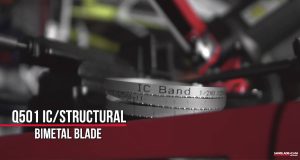
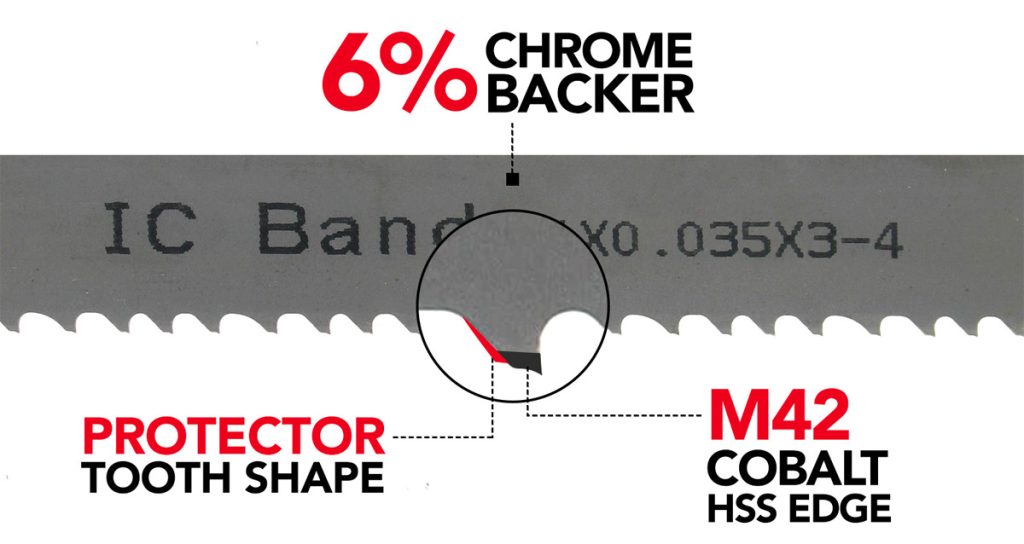
Edge material composition determines how well a blade holds up under the heat and abrasion generated during structural steel cuts. M-42 cobalt high-speed steel has become the preferred choice among professional fabricators because it maintains hardness at elevated temperatures where standard bi-metal edges begin to soften and dull. The 8% cobalt content in M-42 allows the cutting edge to resist thermal breakdown during aggressive feed rates and extended production runs. When paired with a fatigue-resistant alloy backer, M-42 blades deliver consistent performance through thousands of cuts on tough ferrous materials. This combination provides excellent cost-per-cut value, especially in high-volume environments where blade changes interrupt production schedules.
Quick Check
The Q501 IC M-42 requires a break-in cutting period before reaching full production speed.
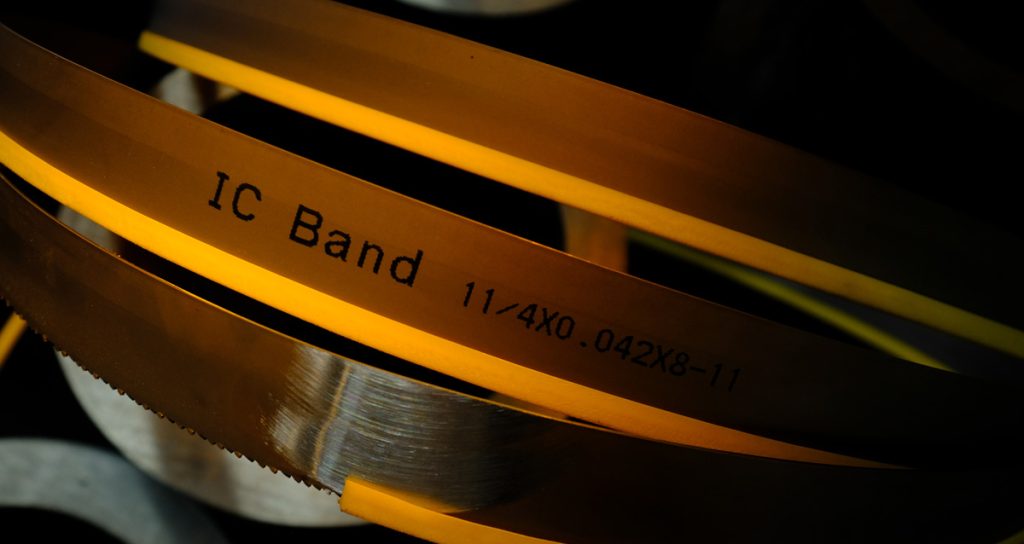
Signs That Your Current Blade Is Wrong for Structural Steel
- Teeth stripping or chipping when the blade exits and re-enters material during beam cuts
- Excessive noise and vibration that worsens as the blade moves through varying cross-sections
- Wandering cuts that produce angled surfaces requiring secondary grinding or machining
- Premature dulling even on relatively short production runs
- Frequent blade breakage at the weld joint from fatigue stress
- Burn marks on cut surfaces indicating excessive heat buildup
- Gullets packed with chips that should clear freely during cutting
- Inconsistent feed rates as operators compensate for blade limitations
Heat Treatment and Break-In Considerations for Production Efficiency
Many fabrication shops lose productive cutting time to blade break-in procedures that gradually condition new teeth for full-speed operation. Blades manufactured with specialized heat treatment and precision grinding often eliminate this requirement entirely. Proper processing during manufacturing sets the tooth geometry and edge condition to handle immediate full-load cutting without the gradual ramping typically recommended for standard blades. This saves time and reduces the risk of operator error during break-in, where incorrect procedures can actually damage teeth and shorten blade life. For shops running multiple shifts or filling time-sensitive orders, selecting blades that cut immediately at full capacity provides measurable productivity advantages.
ALSO WORTH READING
Curious About Bandsaw Mill Power?
If you’re weighing your options for a bandsaw mill, you might be wondering whether a bigger engine actually makes a difference in your cuts. We put this common question to the test in our article “Bandsaw Mill Performance: Does More Power Really Mean Better Cutting?” It breaks down what actually affects cutting quality and whether horsepower lives up to the hype. Worth a read before you make any decisions.
Avoiding Common Mistakes When Buying Structural Steel Blades
- Choosing blades based solely on price without considering cost per cut over the blade lifespan
- Using general-purpose blades for specialized structural applications
- Selecting TPI based on the thinnest wall section rather than the overall cutting profile
- Ignoring blade width recommendations for your specific band saw machine
- Overlooking the importance of tooth set pattern for interrupted cut applications
- Failing to match blade specifications to feed rate and speed capabilities
- Purchasing from suppliers who cannot provide technical support for structural applications
- Storing blades improperly, leading to rust or kinks before installation
Quick Check
How many times more cuts might a premium structural blade deliver compared to a general-purpose blade, per the article’s example? Drag to answer.
What Professional Fabricators Look for in a Structural Blade
Production managers and experienced operators evaluate structural steel blades differently than hobbyists or occasional users. They track actual cost per cut rather than upfront blade price, measuring how many pieces a blade produces before replacement becomes necessary. They value reduced noise and vibration because these factors affect operator fatigue and workplace safety over long shifts. Clean, accurate cuts matter because they minimize grinding, deburring, and fit-up time during assembly. Blade consistency also ranks high on professional priority lists, meaning every blade from a given manufacturer performs predictably without surprises. Shops that cut structural steel daily often standardize on blades engineered specifically for this application rather than compromising with general-purpose alternatives.
Questions to Ask Before Purchasing Your Next Blade
- What specific structural shapes will this blade need to cut most frequently?
- Does the blade design account for the interrupted cuts inherent in beam and channel work?
- What TPI options are available, and which matches my typical material sizes?
- Is the cutting edge made from M-42 or another heat-resistant material suitable for structural steel?
- Does this blade require a break-in period, and if so, what does that procedure involve?
- What blade widths work with my band saw, and which provides optimal beam strength?
- Can the supplier provide technical guidance specific to structural steel applications?
- What is the expected blade life under my shop’s typical operating conditions?
Making Blade Selection Part of Your Shop’s Quality Process
Choosing the best band saw blade for structural steel should not happen randomly or based solely on whatever the local supplier stocks. Treating blade selection as a planned decision, informed by your specific materials, machines, and production demands, leads to better results and lower operating costs over time. Document which blade configurations perform best on your most common cuts. Track blade life and cost per piece to identify the most economical options for your shop. Work with knowledgeable suppliers who understand structural applications and can recommend solutions tailored to your equipment. When blade selection becomes systematic rather than reactive, shops gain control over cut quality, production speed, and consumable expenses in ways that directly improve their bottom line.