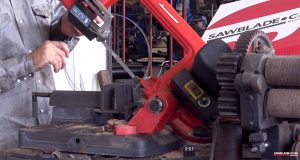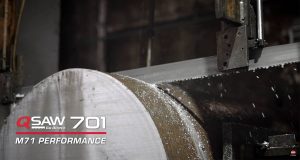
Cutting structural shapes like I-beams, channel, angle iron, and tubing presents a unique set of challenges that can quickly destroy even quality band saw blades. The constant interrupted contact, varying cross-sections, and severe vibration patterns inherent to these materials create conditions that strip teeth, cause premature chipping, and shorten blade life dramatically. Understanding how to approach these cuts properly can mean the difference between a blade that lasts for hundreds of cuts and one that fails after just a few passes through heavy structural steel.
Common Causes of Blade Damage When Cutting Structural Steel
When operators experience frequent blade failures on structural work, the root causes typically fall into predictable categories that can be addressed with proper technique and equipment selection.
- Overfeeding the blade into thick flanges, causing teeth to strip under excessive chip load
- Using standard bi-metal blades not designed for interrupted cutting conditions
- Running incorrect blade speeds for the material thickness and type
- Poor material clamping that allows vibration to transfer directly to the blade
- Selecting inappropriate tooth pitch for the cross-section being cut
- Failing to account for the changing contact area as the blade moves through the shape
- Neglecting coolant flow or using insufficient concentration for structural applications
Why Structural Shapes Are Different From Solid Bar Stock
Solid bar stock offers consistent contact between the blade and material throughout the entire cut, creating predictable conditions that most standard blades handle well. Structural shapes, however, force the blade through a constantly changing environment where contact is interrupted, wall thicknesses vary, and the blade alternates between cutting through solid metal and passing through open spaces. This interrupted cutting action generates severe vibration and shock loading on the teeth. A blade designed for solid material will often chip or lose teeth rapidly when subjected to these conditions because its tooth geometry and set pattern cannot absorb the repeated impact forces.
Quick Check
Why do variable pitch patterns like 5/7 or 8/11 TPI help on structural shapes?
Selecting the Right Tooth Pattern for Beam and Channel Cuts
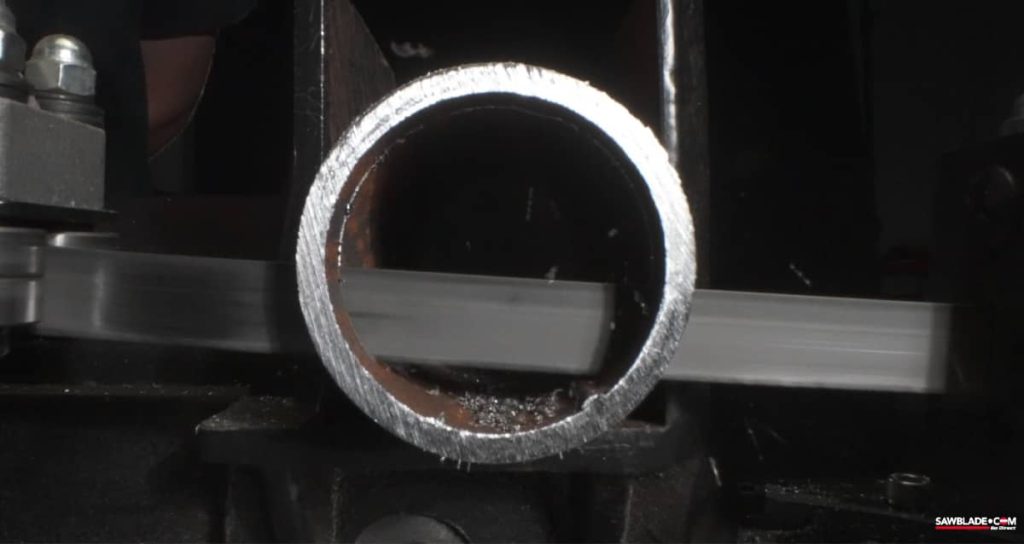
Tooth pattern selection becomes especially important when cutting structural steel because the wrong configuration will either struggle to clear chips from the kerf or create excessive noise and vibration. Variable pitch patterns like 5/7 and 8/11 tooth configurations work particularly well for structural applications because they disrupt harmonic vibration that builds up during interrupted cuts. The alternating tooth spacing prevents the resonance that causes premature blade fatigue. For thinner wall tubing and lighter channel, finer pitches help maintain consistent tooth engagement, while heavier beams with thick flanges benefit from coarser patterns that allow for better chip evacuation and reduced heat buildup in the cut zone.
Recommended Feed Rates and Speeds for Common Structural Materials
| Material Type | Blade Speed (SFM) | Feed Pressure | Notes |
| Carbon Steel I-Beam | 180 to 220 | Medium | Reduce pressure when entering flanges |
| Stainless Angle Iron | 120 to 160 | Light to Medium | Maintain consistent coolant flow |
| Aluminum Channel | 800 to 1200 | Medium to Heavy | Higher speeds prevent material buildup on teeth |
| Mild Steel Tubing | 200 to 260 | Light | Let blade do the work through walls |
| Alloy Steel Wide Flange | 140 to 180 | Light to Medium | Watch for work hardening at slow speeds |
The Role of Blade Break-In for Structural Applications
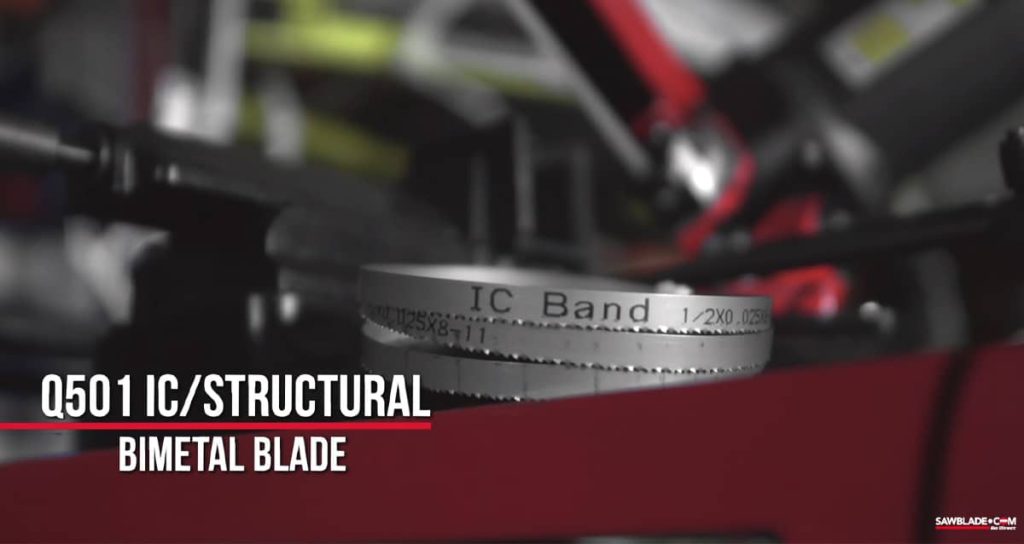
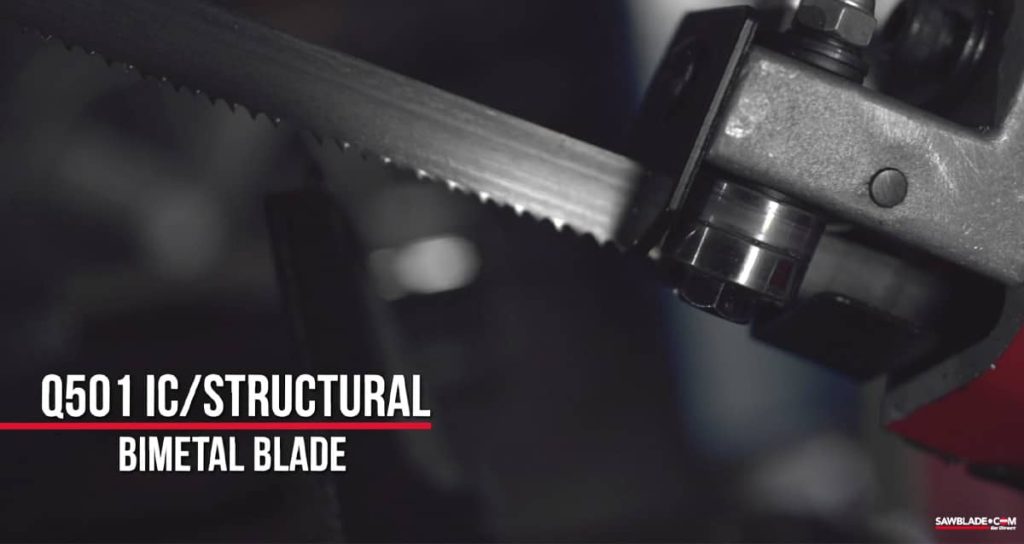
Many fabricators overlook the break-in period that standard bi-metal blades require, and this oversight becomes especially costly when cutting structural shapes. During break-in, the blade runs at reduced feed rates to gradually hone the tooth edges and remove microscopic burrs left from manufacturing. Skipping this step on structural work often results in immediate tooth damage because the fresh blade encounters aggressive conditions before the cutting edges are properly conditioned. However, band saw blades engineered specifically for structural steel now exist with advanced heat treatment processes that eliminate the break-in requirement entirely, allowing operators to run at full capacity from the first cut without risking premature tooth failure.
Quick Check
What water-soluble coolant concentration should be maintained for structural cutting? Drag to answer (percent).
Proper Clamping Techniques to Reduce Vibration and Blade Stress
Securing structural shapes correctly requires more attention than clamping solid round or square stock because the open profiles can flex, twist, and vibrate during cutting.
- Position the material so the blade cuts through the narrowest cross-section first when possible
- Use multiple clamping points to prevent twisting on long pieces
- Support overhanging ends to eliminate cantilever vibration
- Place clamping pressure against solid portions of the shape rather than flanges
- Check that the material sits flat on the work table without rocking
- Tighten clamps firmly but avoid distorting thin-walled sections
How Coolant Application Affects Blade Longevity on Structural Cuts
Proper coolant application does more than just keep temperatures down during structural cutting. The lubricating action helps chips evacuate from the kerf more efficiently, which becomes especially important when the blade passes through confined areas of the structural profile where chip packing can occur. Insufficient coolant concentration leads to accelerated tooth wear and can cause material to weld onto the blade teeth at high feed rates. For cutting structural shapes without blade damage, maintain coolant concentration between 8 and 12 percent for most carbon and alloy steels. Position flood nozzles to direct flow directly into the cut zone from both sides when possible, and check concentration levels weekly since evaporation and drag-out gradually dilute the mixture.
Signs Your Current Blade Setup Is Wrong for Structural Work
Recognizing early warning signs helps operators make adjustments before expensive blade failures occur during production runs.
- Excessive noise or squealing when the blade enters or exits flanges
- Rough or wavy cut surfaces on the finished parts
- Visible tooth wear or chipping after relatively few cuts
- Burn marks or discoloration on cut faces indicating overheating
- Blade wandering or drifting during the cut
- Chips that appear blue or brown from excessive heat
- Unusually slow cutting progress despite normal feed pressure
ALSO WORTH READING
Want to Master Stainless Steel Machining?
If you’re working with stainless steel, you know it can be one of the trickier materials to machine well. We put together a detailed guide covering the most common mistakes machinists make and how to avoid them. Check out our article on Machining Stainless Steel: Biggest Mistakes, Fixes, and Best Practices to get practical tips you can apply in your shop right away.
Quick Check
What water-soluble coolant concentration should be maintained for structural cutting? Drag to answer (percent).
Matching Blade Width to Your Machine and Application
Blade width affects both cut accuracy and blade life when working with structural materials. Wider blades resist deflection better and maintain straighter cuts through thick flanges, making them preferable for heavy structural work on machines that can accommodate them. However, running the widest blade your machine accepts is not always the answer. The blade must be able to track properly on the wheels without excessive tension, and it needs adequate flexibility to handle the interrupted cutting action without fatigue cracking at the weld joint. For most structural cutting applications on machines with 1-inch or larger blade capacity, selecting a blade width that is 80 to 90 percent of the maximum rated capacity provides a good balance between stability and longevity.
Key Features of Blades Designed Specifically for Structural Steel
Standard general-purpose blades simply cannot withstand the demands of production structural cutting, which is why specialized options exist for this application.
- Wide set tooth designs that provide clearance and reduce binding in varying cross-sections
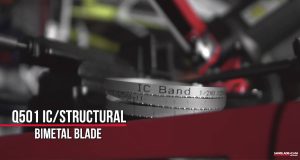
- Interrupted cut tooth profiles engineered to absorb impact forces
- Fatigue-resistant alloy backer material that prevents cracking at the blade body
- Precision-ground tooth geometry that maintains consistent chip load across changing contact areas
- Special heat treatment for longer service life and lower cost per cut
- Cobalt high-speed steel tooth edges that retain sharpness under high heat conditions
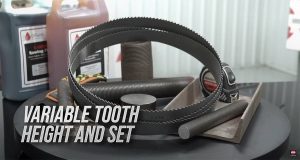
- Variable pitch patterns optimized for the vibration frequencies common in structural shapes
Making the Right Choice for Your Fabrication Shop
Selecting the right band saw blade for structural work comes down to matching the blade’s design characteristics to the specific demands of beam, channel, pipe, and tubing cuts. Shops that invest in blades engineered specifically for interrupted cutting conditions consistently report fewer blade changes, better cut quality, and lower overall tooling costs compared to those using general-purpose bi-metal blades. Taking time to properly set up feed rates, blade speeds, and clamping for each structural shape further extends blade life and improves productivity. When the right blade meets proper technique, structural cutting becomes a predictable, efficient operation rather than a constant battle against premature blade failure.