Understanding TPI and Its Role in Bandsaw Blade Performance
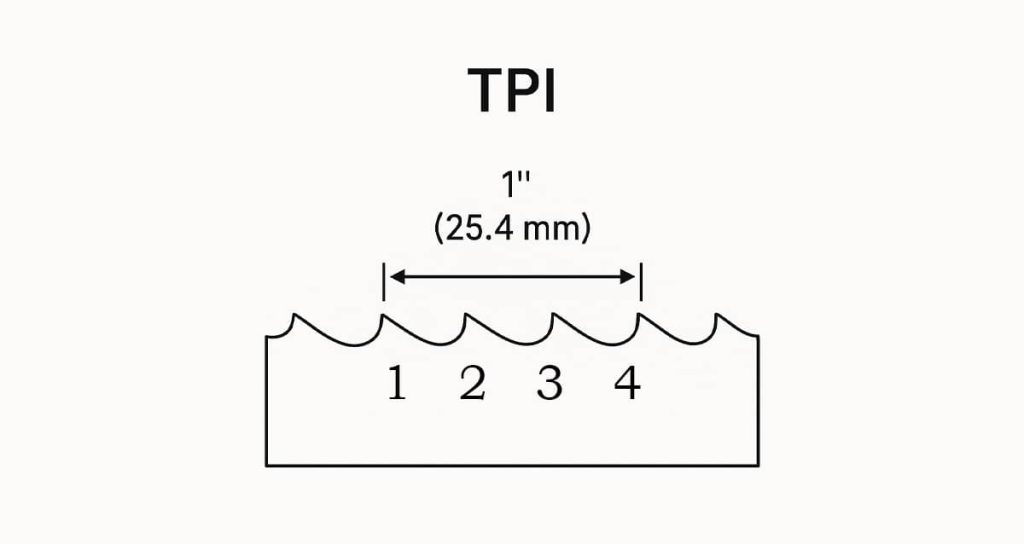
Teeth Per Inch, commonly referred to as TPI, is one of the most important specifications to consider when selecting a bandsaw blade for any cutting application. This measurement tells you exactly how many teeth are packed into each inch of the blade’s cutting edge, and it directly influences everything from cut quality to blade longevity. Many operators overlook TPI when purchasing blades, focusing instead on blade width or material type, but this single specification can mean the difference between smooth, efficient cuts and frustrating results that waste both time and material. Whether you are working with thin sheet metal, thick solid bar stock, or structural tubing, understanding how to match the right TPI to your specific application will improve your cutting accuracy while extending the useful life of your bandsaw blade.
How TPI Affects Your Cutting Results
- Lower TPI blades (2 to 6 teeth per inch) remove material faster and are designed for thicker workpieces where aggressive chip removal is necessary
- Higher TPI blades (14 to 24 teeth per inch) produce smoother finishes and work best on thin materials or applications requiring precision
- The size of the gullet (the space between teeth) decreases as TPI increases, which limits chip carrying capacity on fine tooth blades
- Cutting speed must be adjusted based on TPI selection because finer tooth blades require slower feed rates to prevent overheating
- Surface finish quality improves with higher TPI counts, making them preferable for materials that will not be machined further after cutting
- Blade life can be shortened dramatically when TPI is mismatched to material thickness, regardless of blade quality or brand
The Science Behind Chip Load and Heat Generation
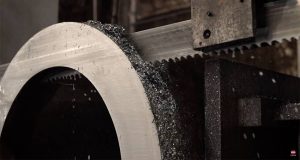
Every tooth on a bandsaw blade is responsible for removing a small chip of material with each pass through the workpiece. When you select a blade with too many teeth per inch for your material thickness, each individual tooth removes such a tiny chip that the cutting action becomes more like grinding than actual cutting. This friction generates excessive heat that can cause the blade to glaze over, losing its sharp cutting edge and requiring replacement far sooner than expected. Conversely, selecting a blade with too few teeth creates oversized chips that can pack the gullets, bend teeth, or even strip them from the blade body entirely. Finding the proper chip load balance through correct TPI selection keeps your blade cutting efficiently while maintaining reasonable operating temperatures throughout the cut cycle.
Quick Check
How many teeth should be engaged in the material at all times during a cut?
The 3 to 6 Teeth Rule Explained
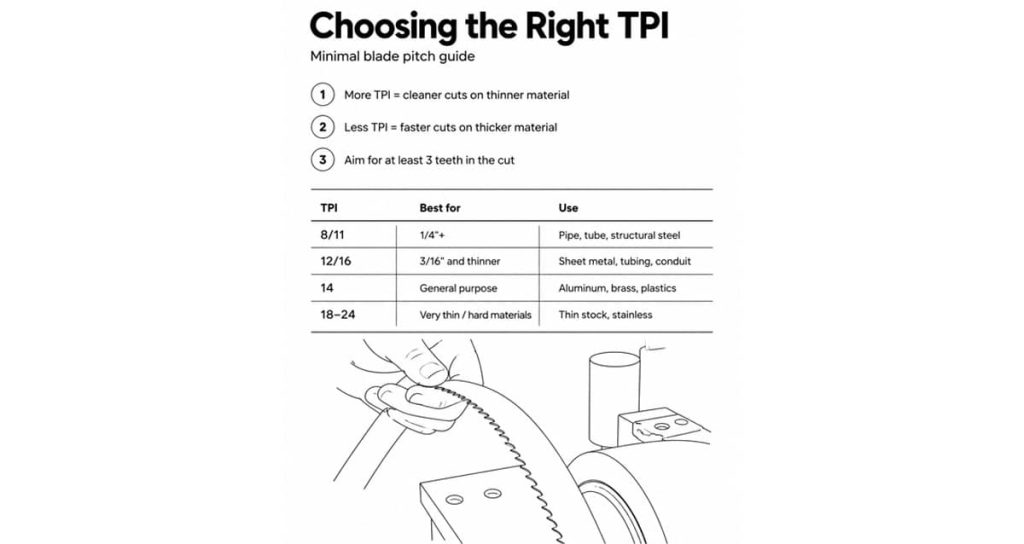
One of the most practical guidelines for selecting the right TPI involves counting how many teeth will be engaged in the material at any given moment during the cut. The standard recommendation is to maintain between 3 and 6 teeth in contact with the workpiece at all times. Fewer than 3 teeth creates an unstable cutting condition where individual teeth absorb too much force, leading to stripped teeth, rough cuts, and excessive vibration. More than 6 teeth in the material simultaneously reduces chip clearance and increases friction heat. For example, if you are cutting half inch thick material, a 10 to 14 TPI blade would keep approximately 5 to 7 teeth engaged, which falls within the acceptable range. This simple calculation takes the guesswork out of TPI selection and applies across most material types and cutting situations.
TPI Selection Chart by Material Thickness
| Material Thickness | Recommended TPI Range | Best Application Type |
| Under 1/4 inch | 18 to 24 TPI | Sheet metal, thin wall tubing, small diameter rounds |
| 1/4 to 1/2 inch | 14 to 18 TPI | Light structural shapes, medium tubing, thin plate |
| 1/2 to 1 inch | 10 to 14 TPI | Standard plate, solid rounds, general purpose cutting |
| 1 to 3 inches | 6 to 10 TPI | Heavy plate, medium bar stock, larger structural sections |
| 3 to 6 inches | 4 to 6 TPI | Thick solid rounds, heavy bar stock, large billets |
| Over 6 inches | 2 to 4 TPI | Very large solid sections, forging stock, heavy industrial cutting |
Why Tubing and Structural Shapes Require Special Consideration
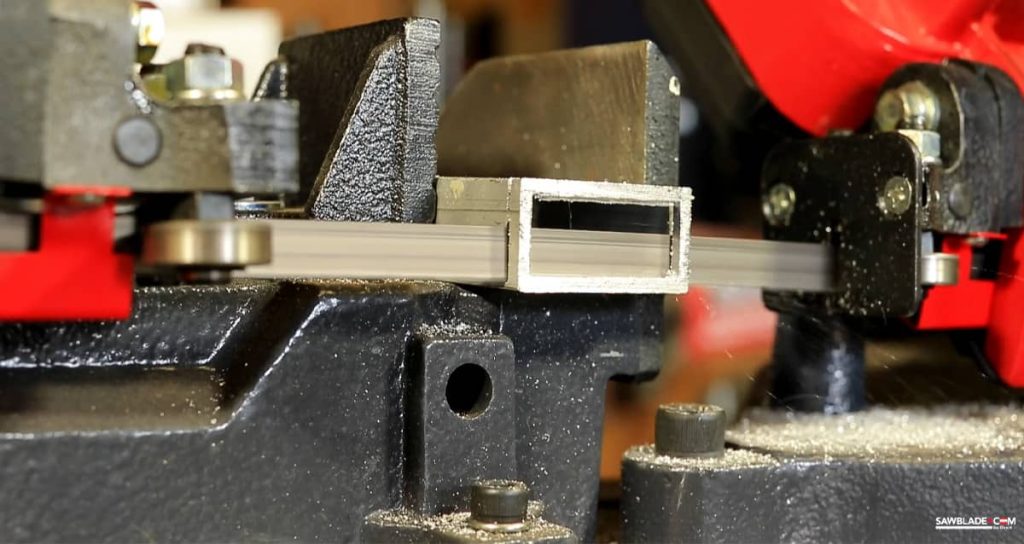
Cutting hollow sections like tubing or structural shapes such as angle iron and channel presents a unique challenge because the blade encounters varying material thickness throughout a single cut. When a blade enters a piece of square tubing, it first cuts through a thin wall, then passes through open space, then cuts the opposite wall. This means the effective thickness changes constantly, and selecting the correct bandsaw blade becomes more nuanced than when cutting solid material. The general approach is to select TPI based on the wall thickness rather than the overall outside dimension of the workpiece. A 4 inch square tube with quarter inch walls should be cut with a blade suited for quarter inch material, typically in the 14 to 18 TPI range, rather than a coarse blade designed for 4 inch solid stock.
Quick Check
A 4" square tube with 1/4" walls should be treated as 4" thick material when choosing TPI.
Common Mistakes When Choosing Bandsaw Blade TPI
- Using a single TPI blade for all applications instead of matching the blade to each specific job
- Selecting TPI based on the outside dimension of hollow materials rather than wall thickness
- Ignoring the relationship between TPI and required feed rate adjustments
- Choosing the finest tooth blade available assuming it will produce the best results on all materials
- Failing to consider material hardness alongside thickness when selecting tooth count
- Continuing to use worn blades rather than replacing them, then blaming TPI selection for poor performance
- Overlooking how bundle cutting changes effective material thickness and TPI requirements
The Connection Between TPI and Cutting Speed
Feed rate and blade speed must be adjusted in proportion to the TPI of your blade to achieve optimal cutting performance. A coarse 4 TPI blade designed for thick material can handle aggressive feed rates because its large gullets clear chips efficiently and each tooth is built to withstand substantial cutting forces. Pushing a fine 18 TPI blade at the same feed rate would quickly overwhelm the small gullets, pack them with chips, and generate enough heat to destroy the blade within minutes. Most bandsaw manufacturers provide speed and feed charts that correlate blade specifications with recommended operating parameters. Following these guidelines, or at least using them as starting points for your own adjustments, will help you get consistent results and predictable blade life from every TPI configuration you use.
ALSO WORTH READING
More on Cutting Structural Shapes
If you work with beams, angles, or channels regularly, blade damage can become a frustrating and costly problem. We put together a separate guide that covers practical tips for cutting structural shapes on a band saw while keeping your blades in good condition. It walks through feed rates, blade selection, and a few simple adjustments that can make a real difference. Worth a read if you want to extend blade life and get cleaner cuts.
Signs You Have Selected the Wrong TPI
- Excessive heat buildup that discolors the blade or workpiece during cutting
- A glazed, shiny appearance on the tooth tips indicating the blade is rubbing rather than cutting
- Rough or wavy cut surfaces that require additional finishing work
- Teeth breaking off or stripping from the blade body prematurely
- Gullets packed with compressed chips that cannot clear during the cut
- Unusual vibration or noise during operation that was not present with previous blades
- Dramatically shortened blade life compared to manufacturer estimates
- Burning smells or smoke coming from the cutting area
How Bandsaw Guides Affect TPI Performance
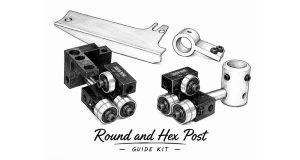
Even when you select the perfect TPI for your application, poor blade support can undermine your results entirely. Bandsaw guides, whether they are bearing style, block guides, or ceramic inserts, hold the blade stable during cutting and prevent unwanted lateral movement or twisting. When guides are worn, misaligned, or improperly adjusted, the blade can bounce or wander through the cut, causing uneven tooth engagement and premature wear patterns. A blade that should perform beautifully with its selected TPI will instead produce crooked cuts, premature tooth dulling, and inconsistent surface finishes. Before blaming your TPI selection for subpar results, always verify that your guide system is in proper working condition. Quality bandsaw blade guides make a significant difference in how effectively any TPI performs during actual cutting operations.
Quick Check
What is the minimum recommended TPI for sheet metal under 0.25"? Drag to answer.
Tips for Getting the Best Results from Your TPI Selection
- Always measure actual material thickness before selecting a blade rather than relying on nominal dimensions
- Keep multiple TPI options in your shop inventory to match blades properly to each job
- Apply appropriate cutting fluid to help manage heat, especially when using higher TPI blades
- Reduce feed pressure when you notice signs of overheating rather than pushing through the cut
- Break in new blades at reduced feed rates for the first several cuts to condition the tooth edges
- Document which TPI and speed combinations work best for materials you cut frequently
- Replace blades at the first signs of serious wear rather than pushing them to complete failure
- Verify that your machine is properly tensioned and aligned before evaluating blade performance
Making Smart TPI Decisions for Different Materials
Material composition plays an important role alongside thickness when selecting the ideal TPI for any cutting job. Harder materials like stainless steel, tool steel, and high nickel alloys benefit from finer tooth pitches that distribute cutting forces across more teeth simultaneously, reducing individual tooth stress and preventing chipping. Softer materials such as aluminum, brass, and mild steel can handle coarser pitches that cut more aggressively without damaging the teeth. When cutting materials that produce stringy chips, like some plastics and softer metals, a coarser TPI helps prevent chip welding and buildup in the gullets. Taking time to consider both the hardness and cutting characteristics of your specific material alongside proper TPI selection will consistently produce better outcomes than relying on thickness measurements alone.
Getting Started with Better Bandsaw Blade Selection
Selecting the right TPI for your bandsaw blade does not require complex calculations or years of experience once you understand the basic principles involved. Start with the 3 to 6 teeth rule as your foundation, adjust based on material hardness and whether you are cutting solid or hollow sections, and pay attention to the feedback your blade gives you during operation. Heat, noise, surface finish, and blade longevity all tell you whether your TPI selection is working or needs adjustment. Keep notes on what works for the materials you cut most often, and build a small inventory of different TPI options so you can match blades to jobs rather than forcing one blade to do everything. With consistent attention to these details, your cutting operations will become more efficient, your results more predictable, and your blade costs more manageable over time.