The Tool Gets All the Credit, But the Blade Does the Work
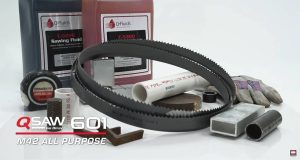
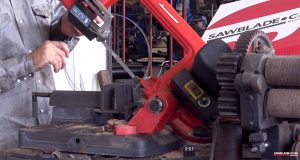
Every portable bandsaw owner has experienced the moment when a perfectly good saw suddenly fails to perform. The motor hums along fine, the trigger responds, the guide bearings spin smoothly, yet the blade refuses to cut cleanly or snaps mid-stroke. Here is the uncomfortable truth that tool manufacturers rarely emphasize: your portable bandsaw is only as capable as the blade wrapped around its wheels. Most users spend hours researching amperage ratings, weight specifications, and ergonomic features before purchasing a portable bandsaw, then grab whatever replacement blade happens to be hanging on the pegboard at the hardware store. This approach treats the blade as an afterthought when it should be the primary consideration for cutting performance. The saw provides power and guidance, but the blade determines whether you get a clean cut through stainless tubing or a ruined workpiece and a trip back to the supply house for another replacement.
Common Signs Your Blade Choice Is Holding You Back
- Cuts that start straight but drift off course before finishing
- Excessive vibration that makes the saw difficult to control
- Burn marks or discoloration on cut surfaces
- Blades that dull after only a handful of cuts on mild steel
- Sudden blade breakage when cutting material within the saw’s rated capacity
- Teeth that strip or chip when encountering harder alloys
- Rough cut faces that require extensive secondary finishing
- Noticeably slower cutting speed compared to previous blades
- Squealing or chattering sounds during normal operation
- Inconsistent performance between identical cuts on the same material
Understanding Teeth Per Inch and Material Thickness
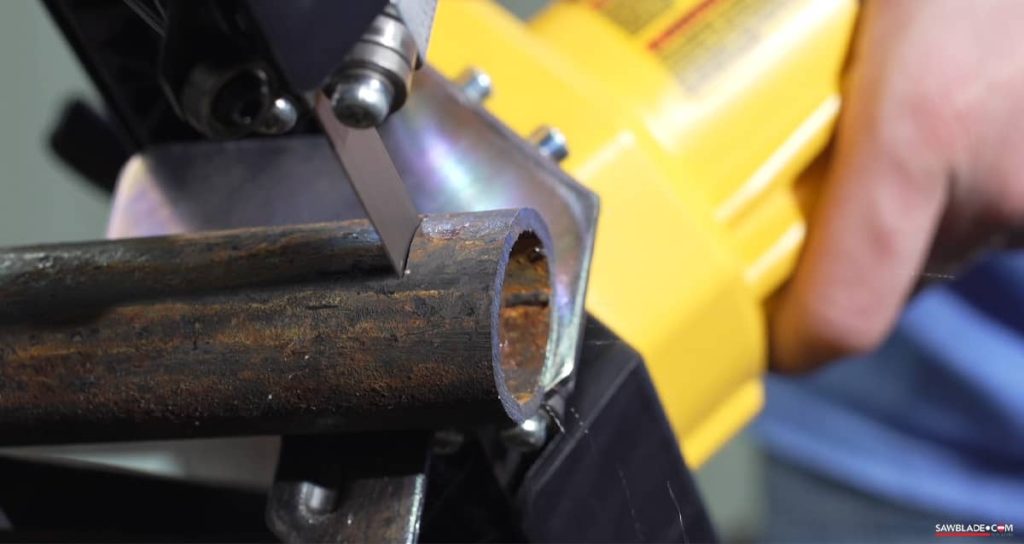
The relationship between teeth per inch and material thickness is one of the most overlooked factors in portable bandsaw blade selection. A general principle applies across all band sawing: you need a minimum of three teeth engaged in the material at all times to maintain stability and prevent tooth stripping. For thin wall tubing and sheet metal under a quarter inch, blades with 18 to 24 TPI keep enough teeth in the cut to prevent the blade from grabbing and tearing. Solid stock between a quarter inch and one inch typically calls for 10 to 14 TPI, allowing adequate chip clearance while maintaining a smooth cutting action. Material thicker than one inch benefits from 6 to 10 TPI configurations that evacuate chips efficiently and prevent heat buildup from clogging the gullets. Choosing a fine tooth blade for thick stock might seem like it would produce a smoother finish, but it actually causes premature dulling, overheating, and blade failure because the small gullets cannot carry away the material fast enough.
Quick Check
Why does a 10/14 variable pitch blade beat a straight 14 TPI for mixed thicknesses?
Why Bi-Metal Construction Outperforms Standard Carbon Steel
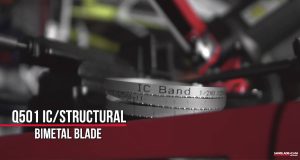
Standard carbon steel blades cost less upfront and work adequately for occasional use on mild steel and softer metals. However, the economics change dramatically once you factor in replacement frequency and the cost of ruined workpieces. Bi-metal blades feature a high speed steel tooth edge welded to a flexible spring steel body, combining wear resistance at the cutting edge with fatigue resistance in the band itself. The tooth edge maintains its hardness at elevated temperatures that would quickly soften carbon steel, which matters significantly during extended cuts or when working with stainless steel and other heat-resistant alloys. Spring steel backing allows the blade to flex repeatedly around the small wheel radius of portable bandsaws without developing fatigue cracks that lead to sudden breakage. For anyone using a portable bandsaw regularly on the jobsite or in the shop, bi-metal construction pays for itself within the first few blade changes through longer service life and more consistent cutting performance.
Blade Selection by Material Type
| Material | Recommended TPI | Blade Type | Speed Setting | Special Considerations |
| Mild Steel (solid) | 10 to 14 | Bi-metal | Medium | Allow blade to cut without forcing |
| Stainless Steel | 14 to 18 | Bi-metal | Low to medium | Use cutting fluid, steady pressure |
| Aluminum | 6 to 10 | Bi-metal or carbide | High | Wax blade to prevent loading |
| Brass | 14 to 18 | Bi-metal | Medium | Support workpiece to prevent grabbing |
| Copper Tubing | 18 to 24 | Bi-metal | Medium to high | Light pressure to avoid deformation |
| EMT Conduit | 18 to 24 | Bi-metal | High | Quick strokes work best |
| Black Iron Pipe | 14 to 18 | Bi-metal | Medium | Cut at thread-free sections when possible |
| Angle Iron | 10 to 14 | Bi-metal | Medium | Start cut on flat surface |
| Strut Channel | 14 to 18 | Bi-metal | Medium | Position to avoid cutting multiple layers |
The Weld That Makes or Breaks Your Blade
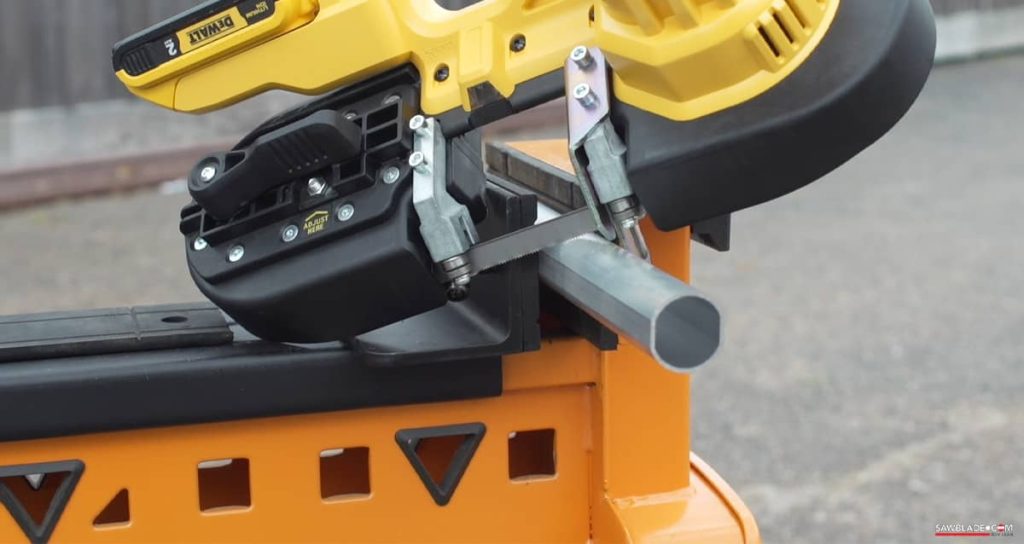
Portable bandsaw blades operate under conditions that demand exceptional weld integrity. Unlike stationary bandsaws with large diameter wheels, portable units force the blade around tight radius turns that stress the weld zone with every revolution. A blade running at typical speeds cycles through this stress pattern hundreds of times per minute, and any weakness in the weld becomes a failure point waiting to happen. Quality manufacturers use precision welding techniques followed by careful annealing to restore flexibility at the joint without compromising strength. The weld should be nearly invisible and feel smooth when you run your finger across it. Cheap blades often have visible lumps, grinding marks, or hardened zones at the weld that telegraph exactly where breakage will occur. When a user on a woodworking forum recently mentioned that stock blades from major tool brands worked great until he accidentally hit something too hard, the real issue was likely a blade with inadequate weld quality that could not handle the momentary stress spike.
Quick Check
On cheap portable bandsaw blades, the teeth almost always wear out before the weld fails.
Tooth Geometry Features That Improve Cut Quality
- Positive rake angles that pull the blade into the material for faster cutting with less operator effort
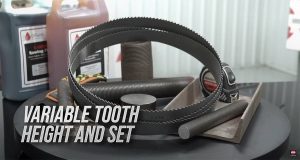
- Variable pitch patterns that reduce vibration and noise during operation
- Set patterns optimized for specific material types and thicknesses
- Gullet designs that promote efficient chip evacuation without clogging
- Precision ground teeth that maintain consistent sharpness across the entire blade length
- Hardened tooth tips that resist wear and heat degradation during extended use
- Smooth tooth transitions that prevent catching and grabbing in thin materials
Matching Blade Speed to Material Hardness
Most portable bandsaws offer variable speed control, and using this feature correctly extends blade life significantly while improving cut quality. Softer materials like aluminum, copper, and brass tolerate higher blade speeds and actually cut cleaner with faster operation. Mild steel and iron perform best at moderate speeds that balance cutting efficiency with heat management. Harder materials including stainless steel, hardened alloys, and tool steel require reduced speeds to prevent overheating the tooth edge and losing its temper. Running too fast on hard materials is the quickest way to destroy an otherwise good blade. Running too slow on soft materials causes the blade to rub rather than cut, generating heat through friction rather than chip formation. The sweet spot varies by material, thickness, and blade condition, but a good starting point is to begin at a moderate speed and adjust based on how the blade sounds and feels during the cut.
ALSO WORTH READING
Improve Your Bandsaw Setup Even Further
If you’re looking to get the most out of your bandsaw, a reliable fence can make all the difference. Whether you’re resawing thick stock or ripping thin strips, a well-designed fence helps you achieve consistent, accurate cuts every time. Check out our guide on homemade bandsaw fence ideas for straighter cuts and cleaner resawing to explore some practical DIY options you can build in your own shop.
Mistakes That Destroy Portable Bandsaw Blades Prematurely
- Forcing the saw through the cut instead of letting the blade do the work
- Twisting or angling the saw during a cut, which stresses the blade unevenly
- Starting a cut on a sharp corner or edge rather than a flat surface
- Using worn guide bearings that allow blade wander and flexing
- Cutting material that exceeds the blade’s rated capacity
- Neglecting to use cutting fluid on stainless steel and other tough alloys
- Storing blades in conditions where they can rust or get kinked
- Running the same blade until complete failure rather than retiring it when dull
- Selecting TPI based on package availability rather than material requirements
- Attempting plunge cuts that put extreme stress on the tooth edge
Why Generic Replacement Blades Often Disappoint
The blades sold on hardware store pegs and included with new portable bandsaws represent a compromise designed to work acceptably across the widest possible range of applications. They sacrifice specialized performance for universal mediocrity. A 14 TPI bi-metal blade with standard tooth geometry will cut mild steel, aluminum, and conduit without catastrophic failure, but it will not excel at any of them. Professionals and serious hobbyists who use their portable bandsaws regularly notice the difference immediately when switching to application-specific blades. Getting a personalized blade recommendation based on your actual cutting needs rather than grabbing whatever fits the saw makes a measurable difference in cut quality, blade longevity, and overall satisfaction with the tool. The time spent identifying the right blade for your most common materials pays dividends every time you make a cut.
Quick Check
What is the lowest TPI recommended for conduit and tubing? Drag to answer.
Characteristics of Professional Grade Portable Bandsaw Blades
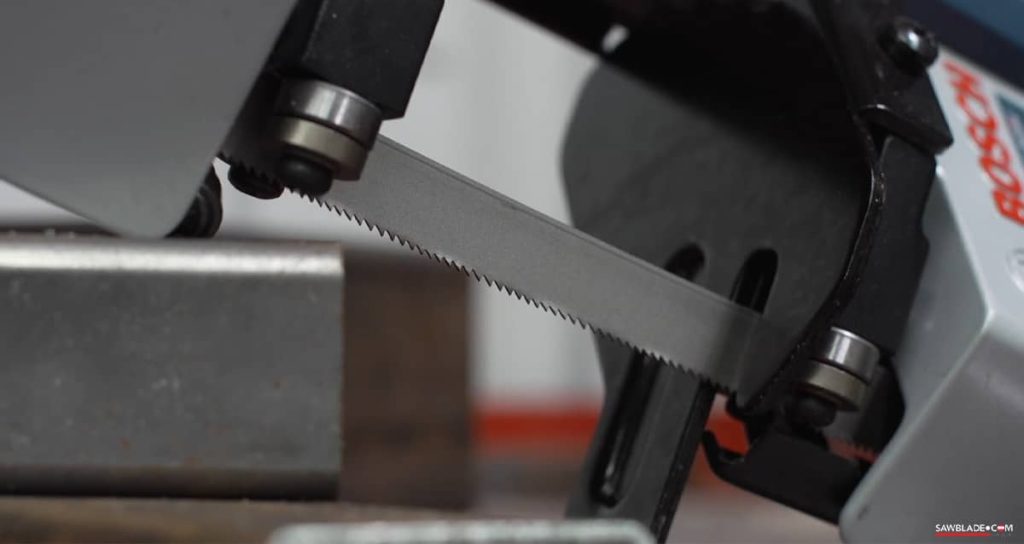
- Consistent tooth spacing and set across the entire blade length
- Smooth, properly annealed weld zones that flex without stress concentration
- High speed steel tooth edges that maintain sharpness through heat cycles
- Flexible backing material rated for small wheel radius operation
- Optimized tooth geometry for specific material categories
- Precision manufacturing tolerances that ensure predictable performance
- Packaging and storage methods that protect the blade until installation
Treating the Blade as Your Primary Investment
The shift in thinking from saw-centric to blade-centric changes everything about how you approach portable bandsaw work. Instead of asking which saw cuts best, the better question becomes which blade matches this specific job. A mid-range portable bandsaw equipped with the right blade consistently outperforms an expensive model running a generic replacement. This perspective also changes purchasing behavior. Rather than stocking up on whatever multipacks are on sale, professionals benefit from maintaining an inventory of blades matched to their regular materials. Someone who primarily cuts stainless steel and hardened fasteners needs different blades than someone working mostly with aluminum extrusions and EMT conduit. When you choose the right portable bandsaw blade for each application, you transform a versatile but imprecise tool into something capable of genuinely professional results. The modest additional investment in quality blades returns value through cleaner cuts, longer service intervals, and fewer moments of frustration when a blade fails at the worst possible time.
Making the Right Choice for Your Work
Portable bandsaws have earned their place in workshops and on jobsites because they handle an impressive variety of cutting tasks in a compact, maneuverable package. Getting the most from these tools requires recognizing that blade selection deserves at least as much attention as the original saw purchase. Start by identifying the materials you cut most frequently and match your blade inventory to those specific needs. Pay attention to TPI requirements based on material thickness, prioritize bi-metal construction for anything beyond occasional hobby use, and inspect weld quality before trusting a new blade with an important cut. The difference between adequate results and excellent results often comes down to running the right blade for the job rather than the blade that happened to be available. When the blade matches the material and the application, portable bandsaws deliver on their full potential as indispensable cutting tools.