Understanding Why Your Bandsaw Guide Choice Actually Matters
If you have ever struggled with blade drift, premature dulling, or inconsistent cuts on your bandsaw, the culprit might not be your blade or technique at all. The guide system holding that blade in place deserves more attention than most woodworkers give it. Bandsaw guides come in two main varieties that dominate the aftermarket: ceramic guides and roller guides. Each type has earned loyal followers, and for good reason. Rather than declaring one superior to the other, the smarter approach is matching the guide style to your specific work habits, the materials you cut, and the blades you prefer. This decision can transform a mediocre bandsaw into a precision cutting tool, or it can leave you frustrated if you choose poorly. The differences between ceramic and roller options affect everything from maintenance frequency to cut quality and blade longevity, so understanding both systems helps you make a choice that fits your shop.
Key Features of Ceramic Bandsaw Guides
- Solid blocks made from engineered technical ceramic that support the blade through direct surface contact
- Zero moving parts means nothing to seize, jam, or require lubrication over time
- Exceptional tolerance for sawdust, pitch, and resin buildup without performance degradation
- Ability to position extremely close to the blade body for superior support on narrow and thin kerf blades
- Some designs allow positioning right against blade teeth where bearings physically cannot fit
- Slow wear rate with options to rotate or regrind blocks for extended service life
- Lower replacement cost compared to bearing assemblies when service is eventually needed
How Ceramic Guides Perform in Real Shop Conditions
Ceramic bandsaw guides excel in situations where precision matters more than speed. When cutting tight curves with a quarter inch blade or navigating intricate scroll patterns, ceramic blocks can sit so close to the cutting edge that blade deflection becomes nearly nonexistent. This closeness translates directly to accuracy. Shops that work extensively with resinous softwoods or green lumber often prefer ceramic because the sticky buildup that fouls bearings simply wipes off the ceramic surface. The friction that occurs between blade and ceramic block does generate heat, but at moderate feed rates and with proper clearance, this heat stays within acceptable limits. Problems arise when operators push too hard or set the guides too tight, which can glaze the blade surface and actually increase friction. Proper setup eliminates this concern for most general woodworking applications.
Understanding Roller Guide Advantages for Heavy Cutting
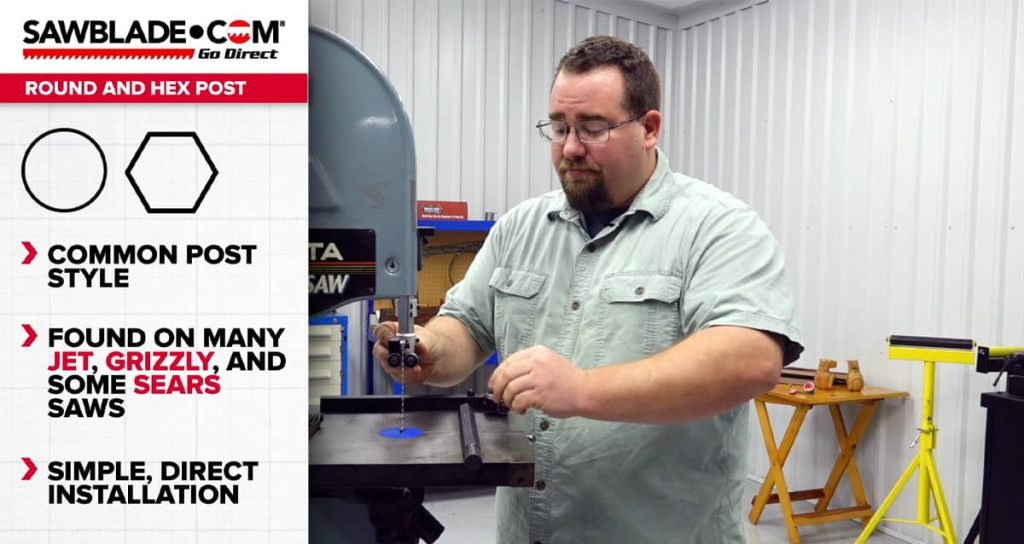
Roller guides take a fundamentally different approach by using sealed ball bearing wheels that spin along with the moving blade. This rolling contact versus sliding contact distinction matters most during extended cuts. When resawing thick stock or running production batches, roller guides keep blade temperatures noticeably lower because there is virtually no sliding friction generating heat. Cooler blades maintain their temper better, hold their set longer, and resist premature dulling. The free spinning action also reduces the power drain on your motor since the blade glides rather than drags through the guide system. For anyone regularly resawing boards over six inches or processing lumber in volume, roller guides offer tangible benefits in blade life and cutting speed that justify their higher initial cost.
Ceramic vs Roller Bandsaw Guides: Direct Comparison
| Factor | Ceramic Guides | Roller Guides |
| Friction Type | Sliding contact with blade | Rolling contact via bearings |
| Heat Generation | Higher at aggressive feed rates | Minimal even during heavy use |
| Maintenance Needs | Occasional cleaning and rotation | Bearing replacement when contaminated |
| Narrow Blade Support | Excellent, can position very close | Limited by minimum bearing diameter |
| Resin and Pitch Tolerance | Very high, easy to clean | Lower, contaminants can seize bearings |
| Replacement Cost | Lower per service interval | Higher due to bearing assembly pricing |
| Best Application | Detail work and tight curves | Resawing and production cutting |
| Feed Rate Capability | Moderate | Higher sustained rates possible |
When Ceramic Guides Make the Most Sense for Your Work
Choosing ceramic bandsaw guides fits certain shop profiles better than others. If your work involves frequent blade changes between narrow and wide options, ceramic blocks adapt well because they can support even the skinniest blades effectively. Woodworkers who specialize in decorative cutting, puzzle making, or any work requiring tight radius curves benefit from the close blade support ceramics provide. Shops in dusty environments or those cutting exotic species with high oil content find that ceramic guides simply shrug off contamination that would shorten bearing life. The set and forget nature of ceramic systems also appeals to hobbyists who may not use their bandsaw daily but want reliable performance without worrying about bearing maintenance between sessions. When you do need fresh guide surfaces, rotating the ceramic block to an unworn face takes seconds and costs nothing.
Signs That Roller Guides Would Serve You Better
- Your primary bandsaw use involves resawing boards thicker than four inches on a regular basis
- You process significant volumes of lumber where cutting speed affects your productivity
- Wide blades of three quarters inch or greater are your standard choice
- Long continuous cuts lasting several minutes or more are typical in your workflow
- You notice blade heating or premature dulling with your current guide setup
- Your shop environment stays relatively clean and free of excessive airborne dust
- Budget allows for periodic bearing replacement as part of normal maintenance
- Maximum feed rate capability matters for your production schedule
The Role of Proper Setup Regardless of Guide Type
Whether you install ceramic or roller bandsaw guides, the setup fundamentals remain consistent. Side guide blocks or bearings should sit just behind the blade gullets, not rubbing against the teeth themselves unless the manufacturer specifically designs for tooth contact. Clearance between the blade body and side supports needs to be minimal but present, typically the thickness of a dollar bill or slightly less. This tight tolerance prevents lateral blade movement while avoiding constant friction that generates unnecessary heat. The thrust bearing or thrust block behind the blade should not touch during idle running. It engages only when cutting pressure pushes the blade backward, providing support exactly when needed. Taking time to set your guides correctly makes far more difference than which type you choose, so do not skip this step after any blade change.
ALSO WORTH READING
Choosing the Right Blade for Your Portable Bandsaw
If you want to get the most out of your portable bandsaw, the blade you use makes all the difference. The wrong blade can lead to slow cuts, premature wear, or rough edges that cost you time and money. Our guide on portable bandsaw blade selection breaks down what you need to know about tooth count, blade materials, and matching blades to specific jobs. It’s worth a quick read before your next blade purchase.
Common Mistakes When Selecting Bandsaw Guides
- Buying roller guides for a saw primarily used with narrow blades under three eighths inch
- Choosing ceramic guides when most work involves heavy resawing at production pace
- Ignoring the quality bandsaw blade already installed and focusing only on guides
- Setting guides too tight against the blade regardless of type selected
- Failing to account for shop environment when dust and resin are significant factors
- Assuming more expensive always means better for your particular application
- Neglecting thrust bearing setup while focusing only on side guide adjustment
- Expecting guides alone to fix problems caused by worn or incorrect blades
Maintenance Considerations for Long Term Performance
Ceramic guides reward simple maintenance habits with years of reliable service. Wiping the contact surfaces clean during blade changes prevents buildup from affecting performance. When wear grooves eventually develop, rotating the block ninety degrees exposes fresh material without any parts purchase. Some users lightly lap their ceramic blocks on flat sandpaper to refresh the surface after extended use. Roller guides demand more attention to bearing condition. Spinning each roller by hand during routine checks reveals any roughness or resistance indicating contamination or wear. Sealed bearings resist moisture and dust reasonably well, but blade guide systems operating in harsh conditions may need bearing replacement annually or even more frequently. Keeping spare bearing sets on hand prevents downtime when service becomes necessary, and most quality roller guide assemblies allow straightforward bearing swaps without special tools.
Making Your Final Decision Between Ceramic and Roller Options
- Evaluate your typical cutting tasks honestly before shopping for new guides
- Consider whether precision detail work or heavy resawing dominates your project list
- Factor in the wood species you cut most often and their resin content
- Assess your shop environment for dust levels and contamination potential
- Review the blade widths you use regularly and check guide compatibility
- Calculate long term costs including replacement parts and maintenance time
- Read owner experiences from woodworkers doing similar work to yours
- Remember that either quality guide type dramatically outperforms worn factory blocks
Putting Better Bandsaw Guides to Work in Your Shop
Upgrading your bandsaw guides represents one of the most cost effective improvements available for this versatile machine. Ceramic guides deliver outstanding performance for detail oriented work, narrow blade applications, and shops where low maintenance matters. Roller guides shine when resawing thick stock, running production batches, or pushing fast feed rates through dense material. Neither option works perfectly for every situation, which explains why both remain popular among serious woodworkers. The best choice aligns with how you actually use your saw rather than theoretical advantages. Once installed and properly adjusted, quality guides of either type transform cutting accuracy and extend bandsaw blade lifespan in ways that quickly justify the investment. Take time to assess your real shop needs, match them to the guide characteristics outlined here, and enjoy the improved performance that follows from making an informed decision.