Ductile iron is widely used in manufacturing and fabrication because it balances strength, flexibility, and durability. Unlike more brittle forms of iron, ductile iron can deform under stress without sudden failure. This behavior makes it suitable for components that must maintain structural reliability while handling vibration, load changes, or forming processes.
What Is Ductile Iron
Ductile iron is a form of cast iron that contains nodular graphite within its microstructure. These rounded graphite nodules reduce internal stress concentration, allowing the material to bend or stretch before breaking. As a result, ductile iron delivers improved mechanical performance compared to traditional gray iron in many industrial applications.
Core Properties of Ductile Iron
Key material characteristics include:
- Higher ductility than standard cast iron
- Improved tensile strength and impact resistance
- Ability to undergo plastic deformation under load
- Good machinability for shaped components
These properties allow ductile iron to perform reliably in both static and dynamic service conditions.
Understanding Ductility in Metals
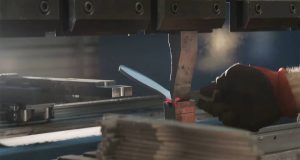
Ductility describes how much a metal can be bent, stretched, or permanently changed in shape before it breaks. A ductile metal is easier to form and better able to tolerate stress during shaping or cold working. Brittle materials, by comparison, tend to fail shortly after elastic limits are exceeded.
How Ductile Iron Responds to Stress
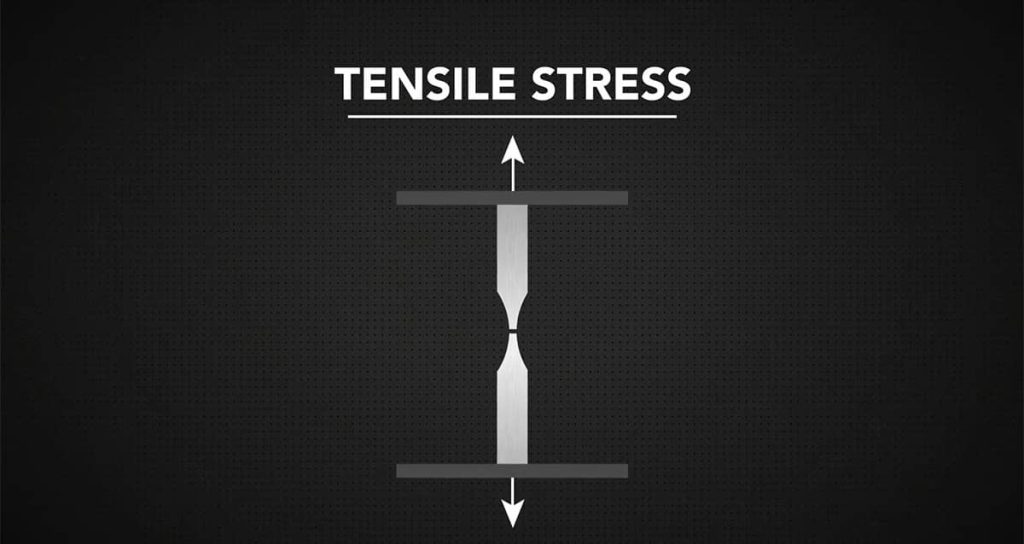
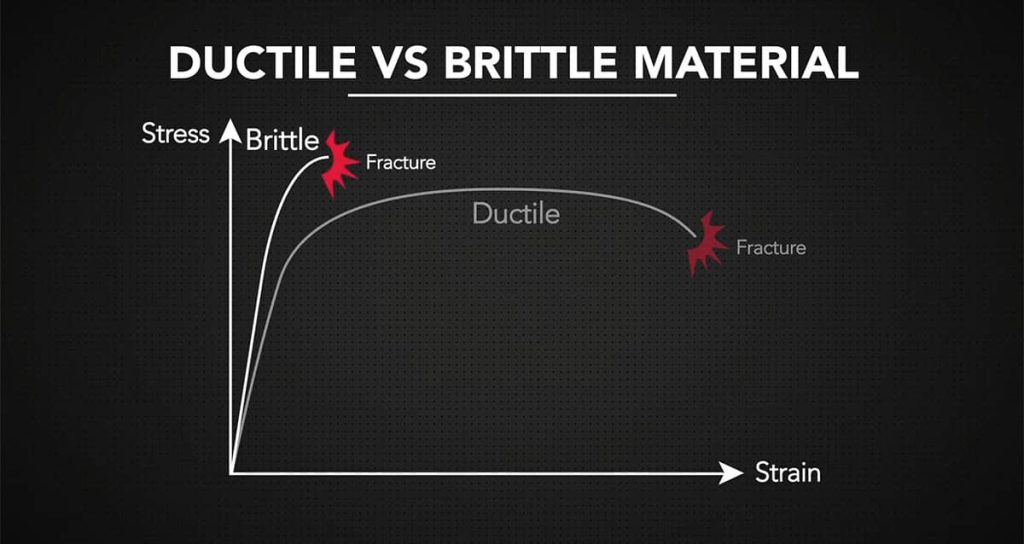
When ductile iron is subjected to force, it first experiences elastic deformation. If stress continues, the material can enter plastic deformation while remaining intact. This gradual response helps prevent sudden part failure and allows components to absorb energy during service. Brittle materials typically fracture soon after elastic deformation ends.
Mechanical Characteristics of Ductile Iron
| Property | Description |
|---|---|
| Material Type | Cast iron with nodular graphite |
| Ductility Level | Moderate to high |
| Tensile Behavior | Gradual deformation under load |
| Cold Working Suitability | Suitable for limited forming |
| Failure Mode | Progressive rather than sudden |
These characteristics explain why ductile iron is selected for applications where controlled deformation is required.
Measuring Ductility in Ductile Iron
Ductility is commonly measured through tensile testing. One method evaluates how much a test piece lengthens after failure, while another measures the reduction in diameter at the fracture point. A ductile material displays a smooth slope on a stress-strain graph, indicating controlled deformation rather than abrupt separation.
Test Your Knowledge of Ductility
If you want to reinforce your understanding of material behavior, we invite you to take our “What Is Ductility?” quiz on sawbladeuniversity.com. The quiz reviews key concepts such as elastic deformation, plastic deformation, and how ductility affects metal performance in real applications. It is a quick way to check your knowledge and confirm how well you understand this important material property.
Common Applications of Ductile Iron
Ductile iron is frequently selected for:
- Structural components exposed to variable loads
- Parts requiring moderate shaping after casting
- Applications where impact resistance is required
- Systems subject to vibration or pressure changes
These applications benefit from the material’s ability to absorb stress without cracking.
Ductile Iron Compared to Brittle Iron Types
Traditional cast irons with flake graphite structures tend to fracture quickly once elastic limits are exceeded. Ductile iron behaves differently due to its nodular graphite structure, which distributes stress more evenly throughout the material. This difference leads to improved durability and reduced risk of sudden failure during use.
Understand How Friction Saw Cutting Works
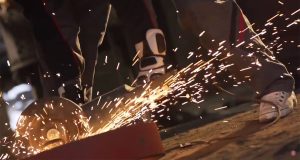
Friction saw cutting is used in specific metal cutting situations where speed and material behavior are key factors. Our article, “Friction Saw Cutting Explained: Operating Principles, Best Uses, and Limitations,” explains how this cutting method operates, where it performs effectively, and what limits should be considered before selecting it. It is a helpful reference for readers comparing cutting processes or evaluating alternatives for metal fabrication tasks.
Key Terms Associated With Ductile Iron
Important terminology includes:
- Ductility: Ability to deform before breaking
- Elastic deformation: Temporary shape change under load
- Plastic deformation: Permanent shape change after stress
- Tensile testing: Method used to evaluate strength and ductility
Understanding these terms helps explain how ductile iron performs under mechanical stress.
Selecting Ductile Iron for Practical Use
Selection of ductile iron is often influenced by service conditions, expected deformation, and load requirements. Its predictable stress response and forming capability make it suitable for components that must retain integrity while accommodating movement or pressure over time.
Ductile iron combines strength and flexibility through its nodular graphite structure and controlled deformation behavior. By understanding its properties, stress response, and performance terminology, users can make informed material decisions and apply ductile iron effectively in demanding environments.