Understanding Predictive Maintenance for Saws
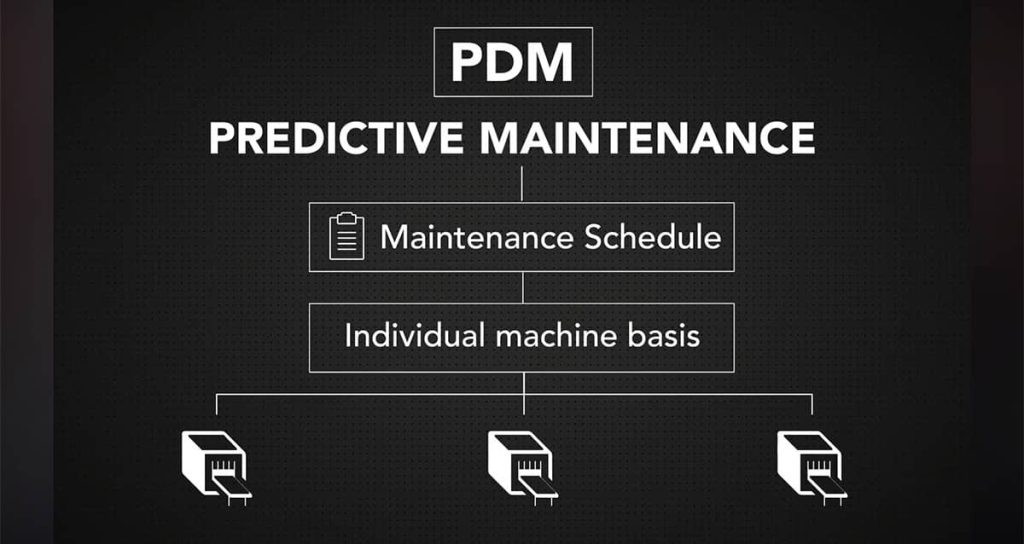
Predictive maintenance for saws is a maintenance strategy that schedules service based on the actual condition of each machine rather than fixed time intervals. Instead of maintaining saws strictly by age or operating hours, predictive maintenance evaluates individual machine data to determine when service is needed, helping limit unexpected downtime and equipment damage.
Why Predictive Maintenance Is Used in Saw Operations
- Reduces unexpected saw downtime
- Helps identify wear before failure occurs
- Supports planned maintenance scheduling
- Improves consistency in cutting operations
How Predictive Maintenance Differs from Preventive Maintenance
Traditional preventive maintenance relies on predetermined schedules regardless of machine condition. Predictive maintenance for saws uses real-time and historical data to indicate when developing issues appear. This approach limits unnecessary service and directs attention toward equipment that shows early signs of wear or performance change.
Condition-Based Maintenance and Its Role
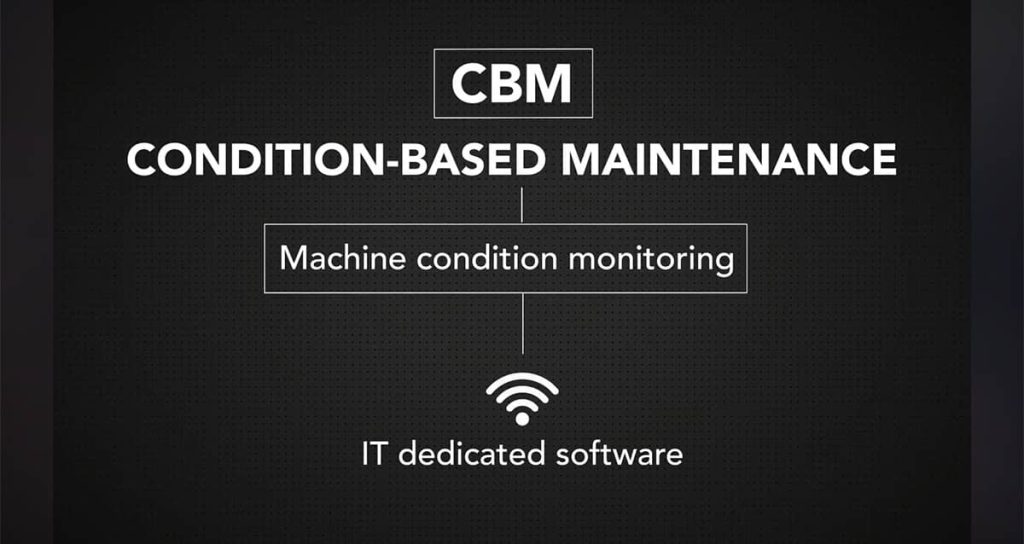
Condition-based maintenance (CBM) is closely related to predictive maintenance. CBM focuses on continuous monitoring of saw performance, often using automated systems to track operating conditions. These systems analyze collected data and notify operators when measurements suggest emerging issues, allowing action before equipment failure occurs.
Common Predictive Maintenance Techniques for Saws
| Technique | Purpose | Typical Application |
|---|---|---|
| Vibration monitoring | Detects imbalance and bearing wear | Motors, wheels, drive systems |
| Temperature tracking | Identifies overheating components | Bearings, motors |
| Power consumption analysis | Reveals mechanical resistance | Drive motors |
| Visual inspections | Confirms alignment and wear patterns | Blades, guides, belts |
Tools Used in Predictive Maintenance Programs
Predictive maintenance programs for saws often rely on specialized tools and monitoring equipment. Common tools include vibration sensors, infrared temperature devices, data recorders, and software platforms that collect and analyze machine condition data. Although initial setup can involve higher costs, these tools provide ongoing insight into equipment condition.
Assess Your Knowledge of Predictive Maintenance Practices
To reinforce key concepts and evaluate your understanding, we invite you to take the Using Predictive Maintenance quiz on sawbladeuniversity.com. This quiz reviews monitoring methods, maintenance decision-making, and data-based practices commonly applied to saw maintenance programs.
Benefits of Predictive Maintenance for Saws
- Reduces unplanned equipment stoppages
- Helps extend blade and component service time
- Allows maintenance planning around production schedules
- Supports consistent cutting accuracy
Challenges When Starting a Predictive Maintenance Program
Implementing predictive maintenance requires investment in monitoring equipment and employee training. Staff must learn how to interpret collected data, and systems must be integrated into daily operations. These requirements can increase upfront costs, especially for facilities new to condition monitoring methods.
Predictive Maintenance vs Condition-Based Maintenance
Predictive maintenance focuses on analyzing performance trends over time to forecast service needs, while condition-based maintenance responds directly to changes detected during monitoring. Both methods rely on machine data, but predictive maintenance emphasizes anticipating service requirements before measurable limits are exceeded.

Understand the Responsibilities of a Tool Crib Technician
For additional insight into tool management roles in industrial environments, we invite you to read “What Does a Tool Crib Technician Do? Skills and Daily Responsibilities.” This article outlines the daily tasks, required skills, and responsibilities related to tool control, maintenance coordination, and safety support.
Best Practices for Implementing Predictive Maintenance
- Start with high-use saws that affect production
- Train staff to understand monitoring results
- Combine automated monitoring with manual checks
- Review collected data regularly for trends
Predictive maintenance for saws provides a structured approach to equipment service based on actual operating conditions. By applying monitoring techniques and dedicated tools, maintenance teams can identify developing issues early, reduce unplanned downtime, and support consistent saw performance. While training and initial investment are required, predictive maintenance and condition-based maintenance approaches offer long-term value for saw operations focused on reliability and planning.