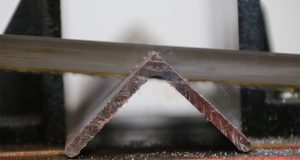
Why Portable Band Saws Belong on Every Job Site
If you’ve ever tried cutting metal pipe with the wrong tool, you already know how much time a portable band saw can save. These compact cutting machines are designed to handle precisely the types of tasks that arise in actual job conditions: overhead cuts, tight corners, conduit runs, rebar, structural tubing, and material that doesn’t cooperate. A portable band saw goes where the work is, as opposed to stationary saws locked to a workshop table. Whether you’re a plumber roughing in a new installation, an HVAC tech working above a ceiling grid, or a fabricator needing precise cuts in the field, the portability alone transforms what’s possible. They’re not glamorous tools, but they’re among the most dependably useful ones you can own.
Key Features to Look for in a Portable Band Saw
Not all portable band saws are built the same way. When comparing models, these are the features worth paying close attention to:
- Variable speed control dial, which lets you slow down for harder materials like stainless steel and speed up for softer stock
- Cutting capacity, expressed as the maximum diameter or cross-section the saw can handle in a single pass
- Motor power, measured in amps (corded) or volts (cordless), which directly affects how the saw holds up under load
- Blade size and compatibility, since replacing or sourcing blades should never be a logistical problem on a job
- Weight and balance, especially relevant if you’re making extended cuts or working in overhead or awkward positions
- Trigger lock-off, a safety feature that requires two deliberate actions before the saw powers on
- Built-in LED work light, useful when you’re cutting in utility spaces, crawlways, or low-light environments
- Blade tension mechanism, whether lever-operated or tool-free, since faster blade changes reduce downtime
Understanding Band Saw Blade Speed and What It Actually Means
Blade speed, expressed in feet per minute (FPM) or surface feet per minute (SFPM), indicates how quickly the blade is moving across the material. A higher number means faster cutting, but faster isn’t always better. Cutting aluminum at the same speed you’d use for mild steel will dull your blade quickly and produce a rough edge. Variable speed saws, like the Trajan 125 with its 98 to 262 FPM range or the Makita XBP02Z running between 275 and 530 FPM, give you real control over this. The ability to dial back the speed for dense or hard materials isn’t a small convenience. It keeps blades sharper for longer and produces cleaner cuts across a variety of stock types.
Corded vs. Cordless Portable Band Saws
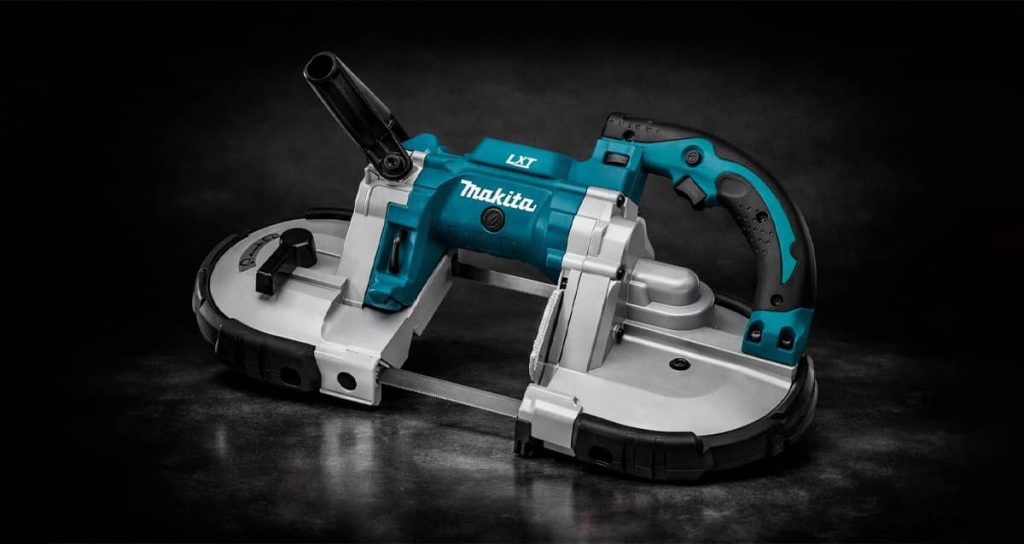
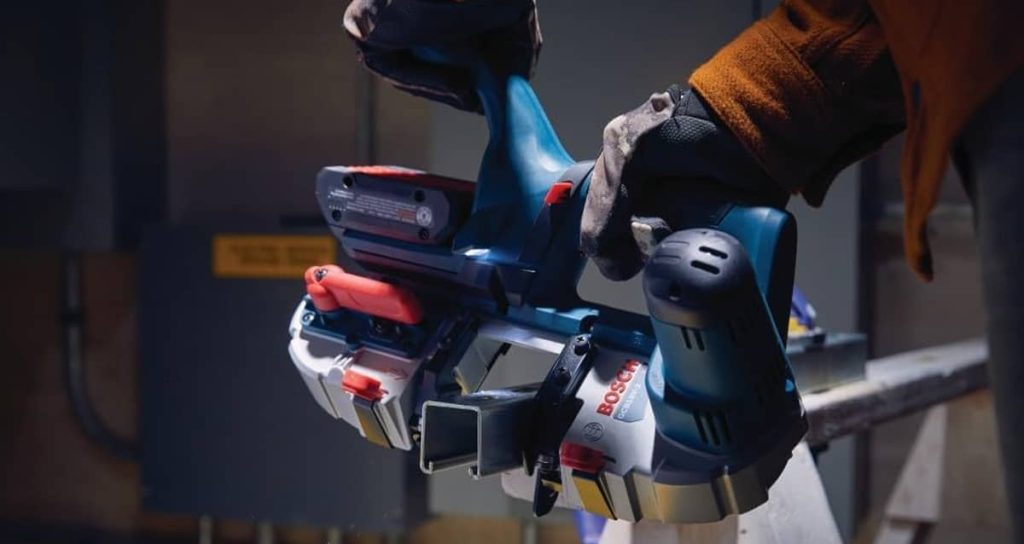
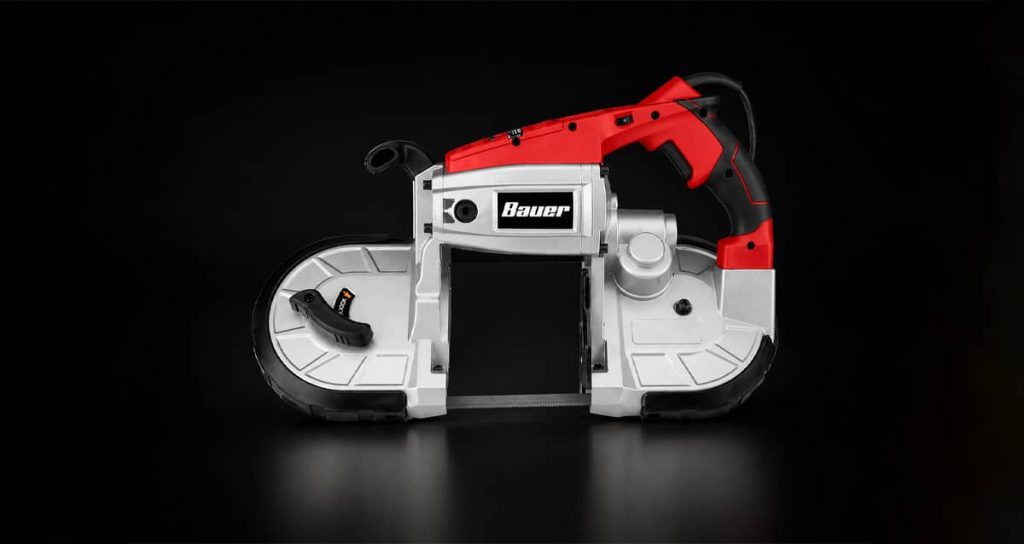
Choosing between a corded and cordless portable band saw comes down to how and where you work most often. Corded models like the Bauer 1678E-B run on 120V AC and don’t ask anything of a battery. They’re reliable under continuous demand and typically cost less upfront, making them a sensible choice for shop use or job sites where power is readily available. Cordless models like the Makita XBP02Z or the Bosch GCB18V-2N run on 18V lithium-ion battery platforms and offer genuine freedom of movement. The Bosch weighs in at just 7.3 lbs., which matters a great deal when threading through tight mechanical spaces or making cuts overhead. Battery life and the cost of building out a compatible battery system are the trade-offs, though if you’re already committed to a specific platform, the tool-to-battery compatibility can simplify the decision considerably.
Quick Check
When cutting stainless steel, why reduce blade speed?
Portable Band Saw Comparison: Key Specs at a Glance
| Model | Power Source | Cutting Capacity | Blade Speed | Weight | Blade Size |
|---|---|---|---|---|---|
| Makita XBP02Z | 18V Lithium-Ion | 4-3/4″ | 275–530 FPM | 14.3 lbs. (with battery) | 44-7/8″ |
| Bosch GCB18V-2N | 18V Lithium-Ion | 2-1/2″ | Not listed | 7.3 lbs. | Standard |
| Bauer 1678E-B | Corded (120V / 10A) | 5″ x 5″ deep cut | 420 SFPM | 16 lbs. | 44-7/8″ x 1/2″ |
| Trajan 125 | Corded (1010W / 1.35 HP) | 4-3/4″ at 0° | 98–262 FPM | Not listed | 4′ 8″ x 1/2″ |
What “Deep Cut Capacity” Really Tells You
Deep cut capacity describes the maximum size of material the saw can pass through cleanly in one motion, accounting for both width and height. The Bauer 1678E-B, for example, can handle a 5-inch square billet or large-diameter pipe without repositioning the cut, thanks to its 5-inch by 5-inch deep cut capacity. Standard capacity saws like the Bosch GCB18V-2N top out at 2.5 inches, which covers most common pipe and conduit sizes but won’t handle larger structural stock in a single pass. If your work regularly involves tubing over 3 inches in diameter, or you’re cutting rebar bundles and square bar stock, deep cut capacity should weigh heavily in your buying decision. It’s one of those specs that goes unnoticed until you’re standing in front of material that’s just slightly too large.
Quick Check
What is the Bauer 1678E-B’s deep cut capacity? Drag to answer.
Common Blade Types Used with Portable Band Saws
Blades are consumables, and using the right type for the material you’re cutting makes a meaningful difference in cut quality, blade longevity, and how hard the motor has to work:
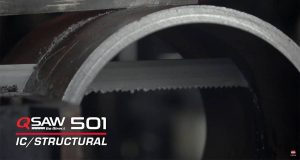
- Bi-metal blades (M42 and M51 grades) are the most commonly used in the field and handle a wide range of metals including mild steel, stainless, and aluminum
- Carbon steel blades are less expensive and work well for wood and softer materials, but wear faster on metal
- Carbide-tipped blades are built for hardened materials, abrasive stock, and applications that would destroy bi-metal blades quickly
- Variable tooth pitch (VTP) blades balance cutting speed with surface finish, useful when switching between thin-wall tubing and solid bar
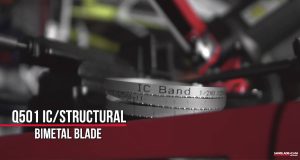
- The Trajan 125 ships with a Qsaw 601 M42 bi-metal blade included, which is a practical touch since you can put the saw to work immediately
Matching Your Saw to the Job
Picking the right portable band saw means thinking honestly about what you’re cutting most often. For tradespeople who need a lightweight, battery-powered option for frequent overhead cuts on conduit and light tubing, the Bosch GCB18V-2N is a strong choice. At 7.3 lbs., its weight is genuinely hard to beat in that use case. The Makita XBP02Z offers more cutting capacity and a higher blade speed ceiling, making it better suited for production cutting across a range of materials. For high-volume shop work or job sites with consistent power access, the Bauer 1678E-B‘s 10 amp motor and 5-inch deep cut capacity handle heavy stock without complaint. The Trajan 125 stands out for its wide miter capability of up to 60 degrees, which matters when cutting at any angle for structural or fabrication work.
Maintenance Habits That Extend Saw Life
A portable band saw that gets regular attention will last significantly longer and perform more predictably than one that doesn’t. The basics are straightforward:
- Inspect blade tension before each use, since a blade that’s too loose will wander through cuts and wear unevenly
- Clean the blade guides and wheels periodically, since debris buildup causes drag and premature blade wear
- Check externally accessible brushes on models that have them, like the Makita XBP02Z, and replace them before they’re fully worn
- Store the saw in its case when available, as the Bauer 1678E-B includes a storage case specifically for this reason
- Avoid forcing the blade through material. Let the saw do the work, and slow the speed if you feel the motor laboring
- After cutting materials that produce fine metal dust, blow out the housing to prevent abrasive particles from working into the motor
Understanding Battery Platform Compatibility
If you’re already working with an 18V cordless tool system, battery compatibility can significantly influence which portable band saw makes sense. Both the Makita XBP02Z and the Bosch GCB18V-2N run on 18V lithium-ion batteries, but they use different proprietary connectors: Makita’s LXT platform with Star Protection and Bosch’s own 18V system. Buying within your existing platform means your current chargers and batteries work immediately, which reduces the total cost of adding the saw to your kit. Makita’s Star Protection system adds a layer of intelligence to the battery relationship, with the tool and battery communicating to protect against overloading, over-discharge, and overheating. These are features that matter if you’re regularly pushing the saw through demanding cuts.
Quick Check
Any 18V lithium-ion battery fits any 18V cordless band saw, regardless of brand.
Practical Cutting Tips for Better Results
Getting clean, accurate cuts from a portable band saw has as much to do with technique and setup as it does with the tool itself:
- Mark your cut line clearly before you start, since portable band saws move quickly and a clear reference line keeps the cut true
- Use a vise or clamp to secure the material whenever possible, especially for pipe and tubing that can roll or shift under the blade
- Start cuts slowly, allowing the blade to seat into the material before bringing it up to full speed
- For angled cuts, use a saw with a miter capability like the Trajan 125‘s 0 to 60 degree range, and set the angle before clamping the material
- When cutting thin-wall tubing, drop the blade speed to reduce burring and extend blade life
- Let the blade cool between extended cuts, as continuous use on dense material generates heat that shortens blade life
Taking Your Cutting Skills Further
Stainless steel deserves a mention of its own. It’s one of the most common materials portable band saw users struggle with, and the margin for error is smaller than with mild steel or aluminum. Blade selection, speed settings, and feed pressure all interact differently when you’re working with it. If stainless is a regular part of your work, or if you’re preparing to cut it for the first time, it’s worth reading through the full breakdown before you start. Our guide on “How to Cut Stainless Steel: Step-by-Step + Common Mistakes Cutting Performance” walks through the process in detail, covers the mistakes that cause blade damage and rough edges, and gives you a clear starting point for getting consistent results.
What to Do Before You Buy
Taking a few deliberate steps before purchasing a portable band saw will help you avoid buying a tool that doesn’t quite match how you actually work. Identify the most common material types and maximum stock sizes you cut, as this alone narrows the field considerably. Decide whether cordless freedom or corded consistency matters more for your typical environment. Check whether blade replacement is easy and whether blades are readily available in your area or from your supplier. If you already own cordless tools, verify platform compatibility before assuming 18V is 18V across brands. Finally, look at warranty coverage: the Makita XBP02Z carries a three-year limited warranty, which is worth factoring into a long-term cost comparison. Buying on specs alone without thinking through these practical realities is how you end up with a capable saw that doesn’t quite fit your workflow.
Making the Right Call
Portable band saws tend to earn their place quickly once you have one. The right model depends on how you work, not on which spec sheet looks most impressive. The Bosch GCB18V-2N is purpose-built for lightweight, mobile use. The Makita XBP02Z balances performance with battery convenience. The Bauer 1678E-B is a reliable corded option with deep cut capacity at a price that leaves room in the budget. The Trajan 125 brings miter capability and raw cutting speed for fabrication-focused work. None of these is universally the best, but one of them is probably the right fit for your specific situation. Spend a few minutes mapping your real job conditions against the specs above, and the decision gets a lot easier.