Why Cutting Stainless Steel Requires More Than Just a Sharp Blade
Stainless steel sits in a category of its own when it comes to metal cutting. Unlike mild steel or aluminum, stainless has a stubborn tendency to work harden under heat and pressure, which means the wrong approach can turn a straightforward cut into a frustrating battle against a material that seems to get tougher with every pass. Whether you are working with sheet stock, round bar, or structural tubing, understanding how to cut stainless steel properly makes the difference between clean, efficient cuts and ruined blades, burnt edges, and wasted material. The good news is that with the right blade selection, proper machine settings, and attention to a few key details, cutting stainless steel becomes a predictable, manageable process rather than a constant source of shop floor headaches.
Types of Stainless Steel You Will Encounter in the Shop
Before making your first cut, it helps to know what grade of stainless steel you are working with, since different grades behave differently under the blade:
- 304 stainless steel, the most common grade, used in food equipment, handrails, and general fabrication
- 316 stainless steel, offering better corrosion resistance for marine and chemical applications
- 303 stainless steel, a free machining grade that cuts more easily due to added sulfur
- 410 and 420 stainless steel, martensitic grades that are harder and more abrasion resistant
- 17-4 PH stainless steel, a precipitation hardened grade used in aerospace and high strength applications
- Duplex stainless steel, combining properties of austenitic and ferritic grades with higher strength
How Work Hardening Affects Your Cutting Performance
Work hardening is the single biggest factor that separates cutting stainless steel from cutting ordinary carbon steel. When stainless steel is subjected to heat and mechanical stress without adequate material removal, the surface layer becomes harder than the original material. This happens quickly when a blade dwells in the cut, when feed rates are too slow, or when a dull blade rubs rather than cuts. Once work hardening sets in, even a sharp blade struggles to penetrate, and cutting performance drops dramatically. The key to avoiding this problem is maintaining consistent chip load, which means keeping the blade moving through the material at a rate that produces actual chips rather than fine dust or discolored swarf.
Choosing the Right Blade for Cutting Stainless Steel
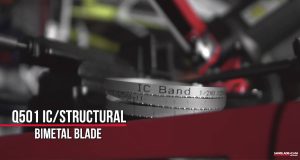
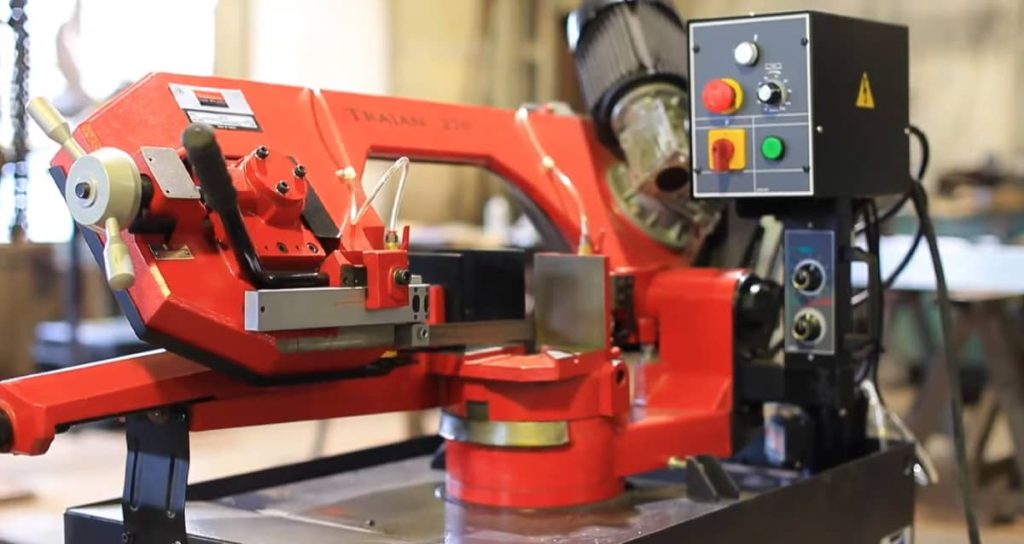
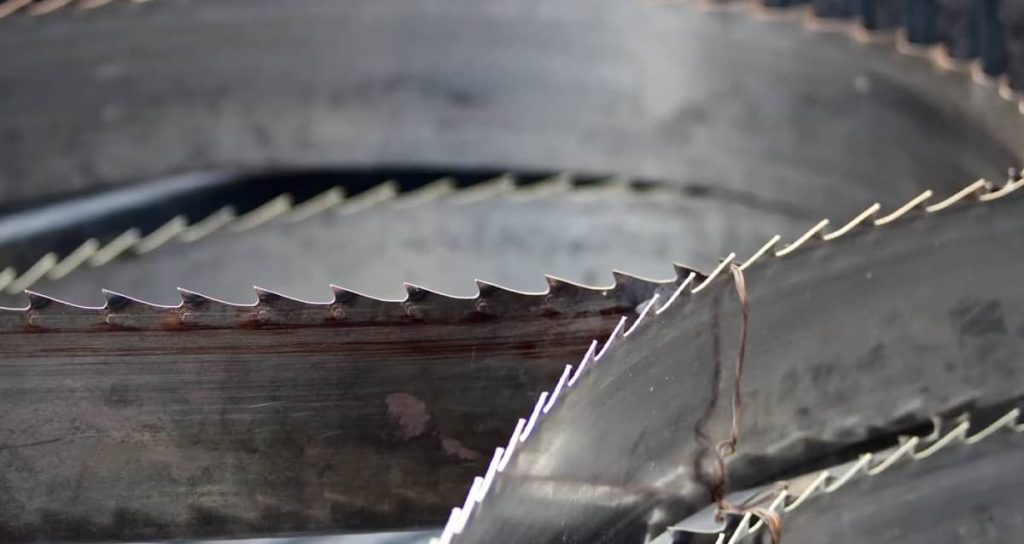
Blade selection makes or breaks your results when cutting stainless steel. Standard carbon steel blades will dull within minutes on most stainless grades, leaving you with poor cuts and frequent blade changes. Bi-metal blades with M42 high speed steel teeth handle stainless reasonably well for occasional use, but shops that cut stainless regularly benefit from stepping up to M51 cobalt blades with 8% cobalt content. The higher cobalt percentage increases heat resistance, which directly addresses the elevated cutting temperatures stainless steel generates. Variable tooth geometry also helps by distributing cutting forces more evenly and reducing the harmonic vibration that can cause premature tooth wear on tough alloys.
Recommended Settings for Cutting Stainless Steel
| Parameter | Recommended Range | Notes |
| Blade speed | 100 to 200 SFM | Slower than carbon steel to manage heat |
| Feed rate | Moderate and consistent | Too slow causes work hardening |
| Tooth pitch | 3 to 6 TPI for solids | Match pitch to material thickness |
| Coolant type | Soluble oil or semi-synthetic | Required for heat management |
| Coolant flow | High volume, low pressure | Flood the cut zone continuously |
| Blade tension | Per manufacturer spec | Critical for straight cuts |
| Break-in period | First 50 to 100 square inches | Reduced feed rate for new blades |
Why Coolant Is Not Optional When Cutting Stainless Steel
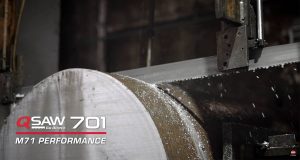
Running a dry cut on stainless steel is one of the fastest ways to destroy a blade and ruin your workpiece. Stainless generates significantly more heat during cutting than mild steel, and without proper coolant flow, that heat builds up at the tooth tips and in the cut zone. The result is accelerated blade wear, surface discoloration on the workpiece, and rapid onset of work hardening. Soluble oil coolants work well for most stainless cutting applications, providing both lubrication and heat transfer. The coolant should flood the cut zone continuously rather than misting or dripping intermittently. On horizontal band saws, position the coolant nozzles to direct flow directly at the blade entry point for maximum effectiveness.
Test Your Metal Cutting Knowledge
Choosing the right machine is just as important as choosing the right blade. To see how well you understand machine selection, cutting setup, and metal cutting best practices, visit SawbladeUniversity.com and take the quiz on Cutting Metal with the Proper Machine. It’s a quick way to reinforce what you know, spot areas to improve, and make better decisions before the next cut.
Step-by-Step Process for Cutting Stainless Steel
Following a consistent process helps ensure good results every time you cut stainless steel:
- Identify the stainless grade and verify you have an appropriate blade installed
- Inspect the blade for wear, damage, or dullness before starting
- Set blade speed between 100 and 200 surface feet per minute depending on material thickness
- Adjust feed rate to produce visible chips rather than powder or dust
- Verify coolant reservoir is full and flow is reaching the cut zone
- Position the workpiece securely with proper clamping to prevent movement
- Start the cut and monitor chip formation during the first few inches
- Maintain steady feed pressure throughout the cut without pausing
- Allow the blade to clear the cut before stopping the machine
- Inspect the cut surface for discoloration, burrs, or signs of blade deflection
How Feed Rate Directly Impacts Cutting Performance
Feed rate on stainless steel is a balancing act that requires attention throughout the cut. Too fast, and you risk overloading the blade teeth, causing premature wear or breakage. Too slow, and the blade rubs instead of cutting, generating friction heat that work hardens the surface and makes subsequent cuts even more difficult. The goal is a feed rate that produces well-formed chips with a slight curl, indicating the blade is removing material efficiently. On band saws with hydraulic feed systems, set the downfeed pressure to maintain consistent chip production. On gravity feed machines, you may need to add weight or adjust the pivot tension to achieve adequate feed pressure on harder stainless grades.
ALSO WORTH READING
Learn More About Nickel’s Thermal Properties
If you work with nickel or are curious about how this metal behaves under heat, you might find our related guide useful. It covers the melting point of nickel in detail, breaks down the key terminology you need to know, and offers practical next steps for applying this knowledge. Whether you are a student, engineer, or hobbyist, it is a solid starting point for understanding this essential material property.
Common Mistakes That Ruin Stainless Steel Cutting Performance
Even experienced operators make errors that compromise their results when cutting stainless steel:
- Using blades designed for mild steel instead of high speed steel or cobalt blades
- Running blade speeds too high, which generates excessive heat at the cut zone
- Setting feed rates too low, allowing the blade to dwell and work harden the surface
- Skipping the blade break-in period, which causes premature tooth failure
- Running cuts without coolant or with inadequate coolant flow
- Ignoring signs of blade wear and continuing to cut with dull teeth
- Clamping workpieces inadequately, allowing movement during the cut
- Stopping mid-cut and restarting, which almost always causes work hardening at that point
- Selecting the wrong tooth pitch for the material cross section
Signs Your Blade Needs Replacement
Knowing when to change blades prevents wasted time and ruined material. On stainless steel, blade wear progresses faster than on softer metals, so regular inspection matters. Look for teeth that appear rounded or polished rather than sharp. Listen for changes in cutting sound, particularly a higher pitched noise that indicates increased friction. Watch for cuts that start drifting off square, which often signals uneven tooth wear or blade fatigue. Discoloration on the cut surface, especially blue or brown tinting near the edges, indicates excessive heat from a blade that is no longer cutting efficiently. Replacing blades before they fail completely saves material and keeps your cuts consistent.
Tips for Extending Blade Life When Cutting Stainless Steel
Getting the most cuts per blade on stainless steel comes down to consistent attention to a few key practices:
- Always break in new blades at reduced feed rate for the first 50 to 100 square inches of cutting
- Maintain proper blade tension at the start of each cutting session
- Keep coolant concentration within the manufacturer’s recommended range
- Clean chips and debris from the blade guides and wheel surfaces regularly
- Store unused blades properly with tooth protection to prevent edge damage
- Match tooth pitch to material thickness to avoid overloading individual teeth
- Avoid interrupted cuts on bundled material when possible, as entry and exit shocks accelerate wear
Getting Reliable Results Every Time You Cut Stainless Steel Cutting stainless steel well is less about special tricks and more about respecting what makes this material different from ordinary steel. The work hardening tendency, the heat sensitivity, and the higher cutting forces all demand a more deliberate approach than what works on mild steel. When you match the right blade to your machine, maintain appropriate speeds and feeds, keep coolant flowing consistently, and replace blades before they become dull, stainless steel becomes just another material in your shop rather than a source of constant frustration. Sawblade.com carries a full range of band saw blades designed specifically for cutting stainless steel, including M42 bi-metal and M51 cobalt options sized for horizontal and vertical machines, so you can get the right blade for your specific application without guesswork.