Understanding Vickers Hardness Before You Pick Your Next Blade
When selecting bandsaw blades for demanding metalworking applications, understanding material hardness gives you a real advantage. The Vickers hardness test is one of the most precise methods for measuring how well a metal resists indentation and wear. Unlike some other hardness testing methods, Vickers hardness works across the full range of materials you might encounter in a shop, from soft aluminum to hardened tool steels. Knowing the Vickers hardness of the material you are cutting helps you choose the right blade tooth material, select appropriate feed rates, and predict how long your blade will last before it needs replacing. This single measurement can save you hours of frustration and prevent the costly mistake of running the wrong blade into a material that will destroy it within minutes.
Materials Where Vickers Hardness Directly Affects Blade Selection
Understanding Vickers hardness values becomes especially important when cutting these materials:
- Hardened tool steels like D2 and A2
- Stainless steel grades with high work hardening rates
- Nickel alloys including Inconel and Monel
- Titanium alloys used in aerospace manufacturing
- Case hardened steel components
- High carbon steel bar stock
- Chromium molybdenum alloy steels
- Bearing steels with elevated hardness levels
How the Vickers Test Actually Works
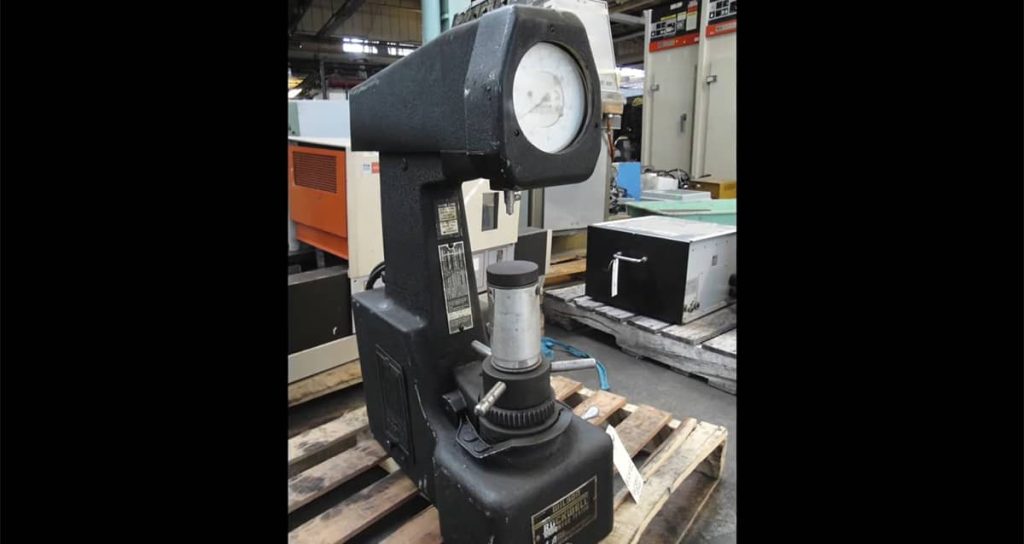
The Vickers hardness test uses a diamond indenter shaped like a four sided pyramid. This indenter is pressed into the surface of a material under a controlled load, typically ranging from 1 to 120 kilograms depending on the application. After the load is removed, the diagonal lengths of the diamond shaped impression are measured under a microscope. The hardness value is then calculated based on the ratio of the applied force to the surface area of the indentation. Because the Vickers method uses a consistent indenter shape regardless of load, it produces comparable results across different hardness ranges. This makes it particularly useful in metalworking environments where you might be cutting materials that span a wide hardness spectrum in the same week.
Why Vickers Hardness Matters More Than You Might Think
The practical value of Vickers hardness data comes down to one thing: knowing what your blade is up against before you start cutting. A material with a Vickers hardness of 200 HV behaves very differently under a bandsaw blade than one rated at 600 HV. That difference affects everything from the tooth geometry you should select to the feed pressure you can safely apply without damaging the blade. When you push a standard bi-metal blade into a high Vickers hardness material without adjusting your approach, the teeth dull rapidly, cutting speed drops, and heat builds up at the contact point. That heat can work harden the material surface even further, creating a feedback loop that shortens blade life dramatically and produces poor quality cuts.
Vickers Hardness Reference Values for Common Metals
| Material | Typical Vickers Hardness (HV) | Blade Consideration |
| Mild steel | 120 to 180 | Standard bi-metal blades work well |
| 304 Stainless steel | 170 to 220 | Requires consistent coolant flow |
| 316 Stainless steel | 150 to 200 | Watch for work hardening during cuts |
| D2 Tool steel (hardened) | 550 to 700 | Needs high cobalt content teeth |
| Inconel 718 | 350 to 450 | Demands premium blade with heat resistance |
| Titanium 6Al4V | 300 to 400 | Requires reduced feed rates |
| A2 Tool steel | 500 to 650 | Benefits from variable tooth geometry |
| 4140 Alloy steel | 200 to 300 | Performs well with quality bi-metal |
The Connection Between Vickers Hardness and Work Hardening
Work hardening is one of the most frustrating problems in metal cutting, and Vickers hardness testing helps predict which materials are most prone to it. When a blade cuts through certain alloys, the friction and pressure at the cutting zone can actually increase the hardness of the material surface. Stainless steels and nickel alloys are particularly susceptible to this effect. A material that starts at 200 HV can quickly develop a hardened surface layer above 300 HV if the blade dwells too long or the feed rate is too slow. This is why experienced machinists check Vickers hardness values before setting up a cut on unfamiliar material. Knowing the baseline hardness and the material’s tendency to work harden lets you select a blade with the right tooth material and geometry to stay ahead of the problem.
Find the Right Blade for the Material You’re Cutting
Once you understand the Vickers hardness of your material, the next step is choosing a blade that can handle the job. Softer metals may cut well with standard bi-metal blades, while harder tool steels, stainless grades, nickel alloys, and titanium often require more careful blade selection, slower cutting speeds, or higher-performance tooth materials. Matching the blade to the material hardness helps reduce premature tooth wear, control heat, and improve cut quality. For readers comparing blade options for different materials and hardness levels, sawblade.com is a useful place to check for bandsaw blades and cutting supplies suited to the demands of the job.
Test Your Knowledge of Hardness
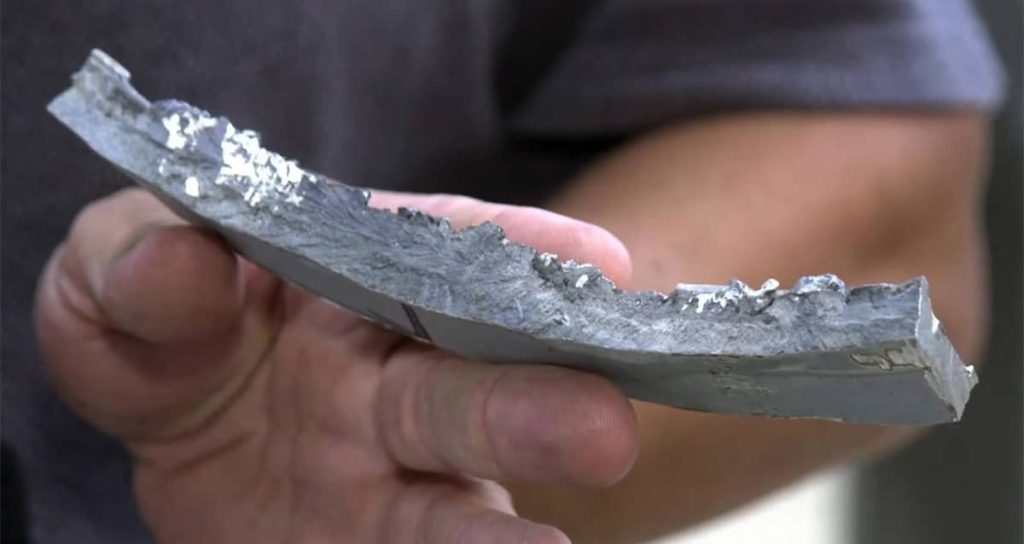
Understanding hardness can help you make better decisions about blade selection, cutting speed, feed rate, and overall bandsaw performance. After reading about how hardness affects cutting behavior, take a moment to check what you learned with the “Discovering Hardness” quiz on sawbladeuniversity.com. It is a helpful way to review key concepts, reinforce practical cutting knowledge, and see how material hardness connects to real shop results.
How Vickers Hardness Influences Blade Tooth Material Selection
Matching blade tooth material to workpiece Vickers hardness improves cutting performance in several ways:
- Materials under 250 HV typically cut efficiently with standard M42 bi-metal blades
- Materials between 250 and 400 HV benefit from M51 cobalt steel teeth with higher heat resistance
- Materials above 400 HV often require carbide tipped blades for acceptable blade life
- Higher Vickers hardness values demand slower feed rates to prevent premature tooth wear
- Knowing the hardness helps you calculate realistic blade life expectations before starting production runs
- Proper matching reduces heat buildup at the cut zone and prevents surface work hardening
Comparing Vickers Hardness to Other Testing Methods
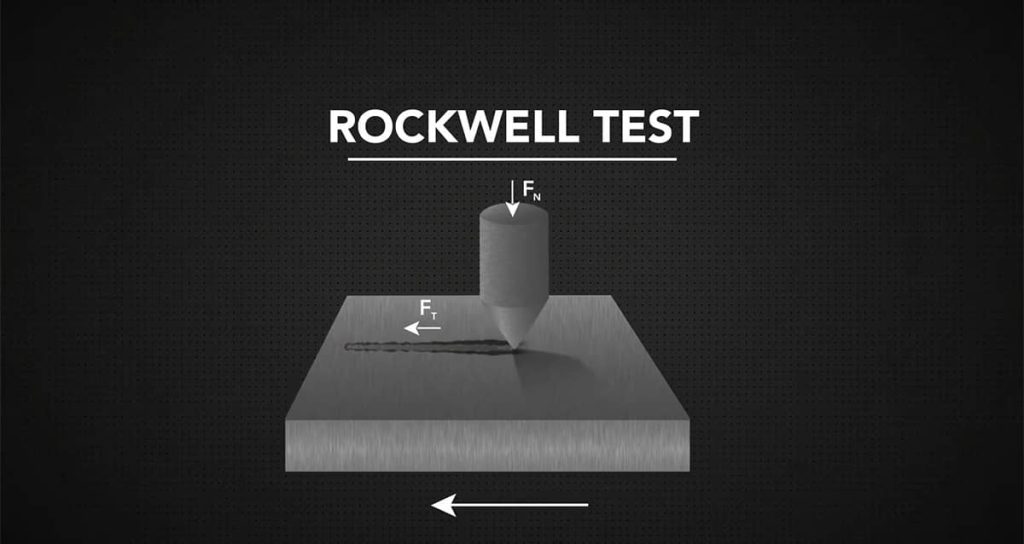
While the Rockwell and Brinell tests are more commonly referenced in general metalworking, the Vickers hardness test offers specific advantages that make it valuable for blade selection decisions. The Rockwell test uses different scales and indenters depending on the material, which can make comparisons between dissimilar metals confusing. The Brinell test works well for softer metals but becomes impractical on very hard surfaces because the ball indenter can deform. The Vickers method uses the same diamond pyramid indenter across all materials and all hardness ranges, producing consistent and directly comparable values. This consistency makes Vickers hardness data especially useful when your shop cuts a variety of materials and you need a single reference point for blade selection decisions.
ALSO WORTH READING
Learn More About Portable Band Saws
If you want to dive deeper into portable band saws, we have a dedicated guide that covers everything you need to know. It walks you through the key terminology, practical tips for choosing the right model, and clear next steps for getting started. Whether you’re new to these tools or looking to expand your knowledge, it’s a useful resource to have on hand. Check out our full guide on portable band saws to continue learning.
Practical Applications of Vickers Hardness Data in the Shop
Understanding Vickers hardness values helps in these everyday cutting situations:
- Evaluating incoming material batches to confirm they match expected hardness specifications
- Troubleshooting premature blade wear by checking if material hardness exceeds what the blade can handle
- Setting appropriate feed rates based on measured hardness rather than guesswork
- Selecting the correct blade tooth material before starting a job on unfamiliar alloys
- Identifying work hardened surfaces on previously cut material before attempting a second operation
- Comparing hardness values between material suppliers to ensure consistent cutting behavior
How Higher Vickers Hardness Affects Cutting Speed and Blade Life
As Vickers hardness values increase, the relationship between cutting speed and blade life becomes more sensitive. On a material rated at 150 HV, you have significant flexibility in feed rate and cutting speed without dramatically affecting blade longevity. Push that same approach on a 500 HV tool steel and the blade will fail quickly. Higher Vickers hardness materials require slower cutting speeds, reduced feed pressure, and often a blade with higher cobalt content in the teeth to resist the elevated temperatures generated at the cut zone. The practical result is that understanding the Vickers hardness of your material lets you set realistic expectations for both production rate and blade replacement intervals, rather than discovering the hard way that your standard approach is burning through blades at an unsustainable pace.
Signs You Need to Pay More Attention to Vickers Hardness
These situations suggest that Vickers hardness should factor more heavily into your blade selection process:
- Blades are dulling significantly faster than expected on certain material batches
- Cut surfaces show signs of heat discoloration or glazing
- You are experiencing inconsistent blade life on materials that should behave similarly
- Work hardening is causing problems during secondary machining operations
- New material suppliers are providing stock that cuts differently than previous batches
- Your shop is taking on more jobs involving alloy steels, stainless, or nickel based materials
Making Vickers Hardness Work for Your Cutting Operations
Vickers hardness is not just a laboratory measurement. It is a practical tool that helps you make better decisions about blade selection, cutting parameters, and expected blade life. When you know the Vickers hardness of the material on your bandsaw, you can match that information to the right tooth material, set appropriate feed rates, and avoid the frustration of premature blade failure on harder materials. Whether you are running production cuts on alloy steel or dealing with occasional jobs on hardened tool steels, taking Vickers hardness into account puts you ahead of problems instead of reacting to them after a blade is already ruined. Sawblade.com carries blades designed for the full range of material hardness values you will encounter, so you can match your blade selection to the actual demands of the job.