The Real Question Every Woodworker Eventually Asks
Whether you are just setting up your first workshop or have been building furniture for years, the question of tool quality eventually comes up. Do expensive woodworking tools actually perform better, or are you simply paying for a brand name and nicer packaging? This is not a simple yes or no answer, and experienced woodworkers often have strong opinions on both sides. The truth lies somewhere in the middle, depending on which tools you are buying, how often you use them, and what level of precision your projects demand. After spending time in woodworking forums and talking with hobbyists and professionals alike, patterns emerge that can help guide smarter purchasing decisions.
Where Premium Tools Genuinely Outperform Budget Options
- Precision measuring tools like combination squares and marking gauges show the most noticeable quality gap between cheap and expensive versions
- Hand planes from established manufacturers hold their edge longer and require less frequent adjustment during use
- High quality chisels maintain sharpness through hardwood projects without chipping or rolling at the edge
- Router bits with carbide tips rated for extended use produce cleaner cuts and last significantly longer than bargain packs
- Clamps from reputable brands apply consistent pressure without flexing, slipping, or failing at critical moments
- Quality saw blades designed for specific materials deliver smoother cuts with less tearout and burning
The Measuring Tool Problem That Frustrates Beginners
One of the most discussed topics among woodworkers involves combination squares and other measuring tools. Forum users consistently report that budget squares often arrive out of square, sometimes by as much as a few thousandths of an inch. While that might sound minor, those small errors compound across a project. A slightly off square leads to joints that do not close properly, doors that hang crooked, and drawers that bind. Experienced woodworkers suggest that measuring and marking tools represent one category where spending more money genuinely pays off. Brands like Starrett, PEC, and Woodpeckers consistently receive praise for accuracy that holds up over years of use, while cheaper alternatives may need constant verification or simply cannot be trusted for fine work.
Quick Check
How long did it take before the locking mechanism failed on the cheap combination square mentioned in the article?
Why Some Expensive Tools Disappoint Buyers
Not every premium tool justifies its price tag. Some woodworkers report purchasing high end equipment only to find that the performance difference compared to mid range options was negligible. This happens most often with power tools where the motor quality and basic engineering have become standardized across manufacturers. A table saw from a well known brand might cost twice as much as a competitor while delivering nearly identical cuts. The premium price sometimes reflects features like better dust collection, quieter operation, or improved safety mechanisms rather than actual cutting performance. Understanding what you are paying for helps avoid buyer’s remorse when an expensive tool does not transform your work overnight.
Real User Feedback on Budget vs Premium Measuring Tools
| Tool Type | Budget Version Issues | Premium Version Benefits | Price Difference |
| Combination Square | Often out of square by 0.002 to 0.005 inches | Accurate to within 0.001 inches or better | $15 vs $80 to $150 |
| Marking Gauge | Loose components, inconsistent depth | Solid construction, repeatable settings | $10 vs $40 to $100 |
| Steel Ruler | Unclear markings, flexible material | Etched graduations, rigid construction | $5 vs $25 to $50 |
| Tape Measure | Hook moves excessively, blade curls | Precise hook, stable blade extension | $8 vs $25 to $40 |
| Bevel Gauge | Pivot loosens during use | Holds angle securely through project | $12 vs $35 to $75 |
The Middle Ground That Smart Woodworkers Find
Many experienced woodworkers develop a strategy of investing heavily in certain tool categories while saving money on others. The general principle involves spending more on tools that directly affect accuracy and less on tools where brute function matters more than precision. A quality square matters tremendously because every measurement depends on it. A workbench clamp, on the other hand, simply needs to hold things together while glue dries. This selective approach lets woodworkers build capable shops without spending unnecessarily. Forum discussions frequently mention that choosing the right blade for different wood types affects results more than the saw holding it.
Quick Check
Premium tools always pass a squareness verification test, unlike budget tools.
Reliable Cutting Without the Premium Price
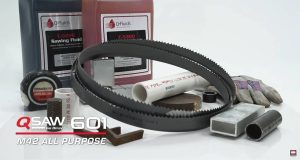
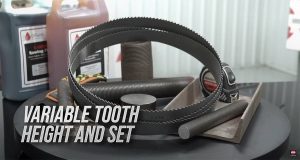
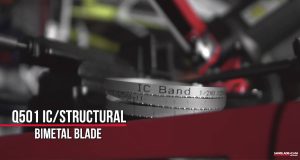
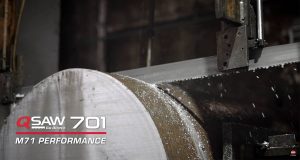
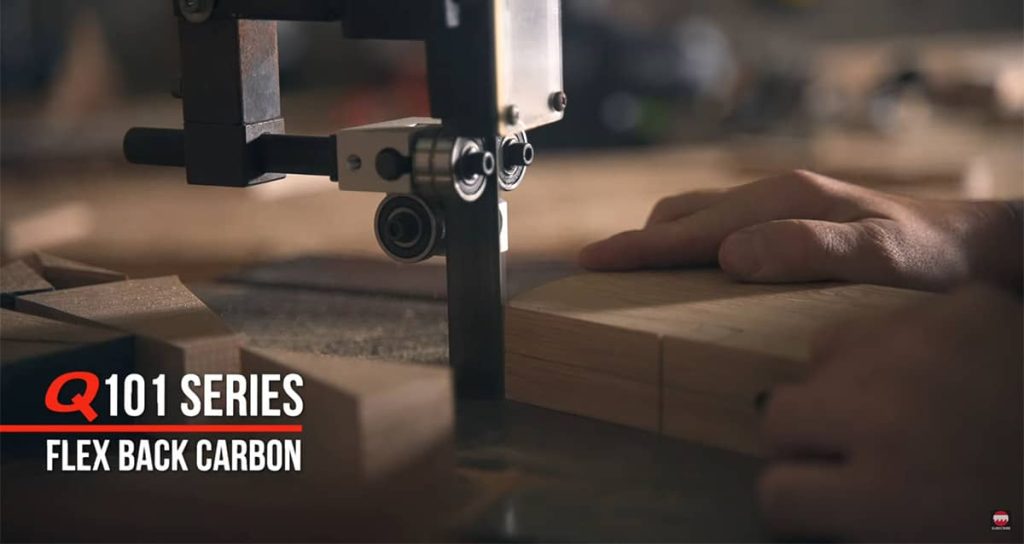
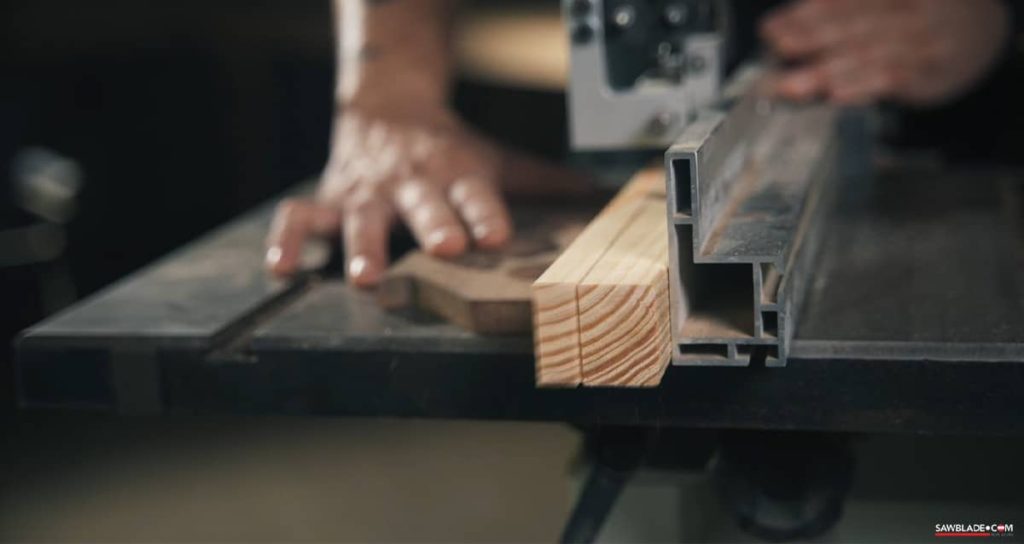
Just as with squares and chisels, bandsaw blade shoppers often assume that better performance requires a premium price. Qsaw’s carbon blade options suggest otherwise. The Qsaw101 Flex Back is designed for smooth contour and straight cuts in wood, and the Qsaw201 Hard Back steps things up with a spring-tempered back and hardened teeth for greater tensile strength, sold as an economical choice for mild contour and cutoff cuts. For small shop owners and hobbyists who need consistent results without professional-grade pricing, these blades sit squarely in that mid-range sweet spot the rest of this article keeps circling back to.
Signs a Tool Is Worth the Premium Price
- The manufacturer provides detailed specifications about tolerances and materials
- Professional woodworkers recommend the brand based on long term use rather than sponsorship deals
- Replacement parts remain available years after purchase
- The tool includes a meaningful warranty backed by responsive customer service
- Online reviews mention durability over multiple years rather than just initial impressions
- Resale value remains high because demand stays consistent among serious woodworkers
When Budget Tools Actually Make Sense
Certain situations call for saving money rather than buying premium options. If you need a specialized tool for a single project, a budget version might serve perfectly well. Beginners still learning basic techniques may prefer affordable tools while developing skills, upgrading later once they understand what qualities matter most for their work. Some budget brands have improved dramatically in recent years, offering acceptable quality for casual use. The key involves honest self assessment about your project demands and usage frequency. A weekend hobbyist building a few pieces per year has different needs than someone completing projects every week.
ALSO WORTH READING
See the Results for Yourself
If you’re curious about how much difference a riser block upgrade can actually make, we put together a detailed breakdown of our findings. The results might surprise you, especially when it comes to stability and vibration reduction. Head over to “Riser Block Upgrade Results” for the full rundown, including before-and-after comparisons and our key takeaways.
Questions to Ask Before Buying Expensive Tools
- How often will I actually use this tool, and does the frequency justify the investment?
- Can I verify the quality claims through independent reviews rather than marketing materials?
- Does this tool affect precision or is it primarily for rough work where exactness matters less?
- What is the realistic lifespan difference between budget and premium versions?
- Will I outgrow the budget version quickly, making the upgrade inevitable anyway?
- Are there mid range options that offer most premium benefits at a lower cost?
Quick Check
What’s the low end of the price range for premium tools in the comparison table? Drag to answer.
Forum Wisdom on Building a Quality Tool Collection
Woodworking communities often share a common recommendation for new woodworkers concerned about budgets. Start with a few essential quality tools rather than filling your shop with mediocre options. A precise square, a sharp set of chisels, and reliable cutting equipment will serve you better than a drawer full of questionable instruments. As your skills develop, you will naturally recognize which additional premium tools would benefit your specific projects. This patient approach prevents both overspending early and the frustration of fighting untrustworthy tools during important builds.
The Hidden Costs of Cheap Tools
- Time spent checking and compensating for inaccurate measurements adds hours to projects
- Damaged workpieces from poor cuts mean wasted materials and repeated effort
- Frustration from tools that fail mid project can discourage continued practice
- Replacement costs accumulate when budget tools break or wear out prematurely
- Safety risks increase with tools that behave unpredictably under load
- Finishing quality suffers when rough cuts require extensive sanding or filling
Making Peace with Your Tool Budget
Every woodworker operates within financial constraints, and there is no shame in building a shop gradually over time. The satisfaction of completing projects with modest equipment has its own reward. What matters most is understanding the tradeoffs involved with each purchase decision. Expensive tools are not universally superior, and budget tools are not universally inadequate. The skill of the person using the tool remains the most significant variable in any project outcome. Focus your spending where precision directly affects results, remain patient with upgrades, and remember that countless beautiful pieces have been built by woodworkers using imperfect equipment and exceptional attention to detail.