Why Bandsaw Owners Are Adding Riser Blocks to Maximize Cutting Height
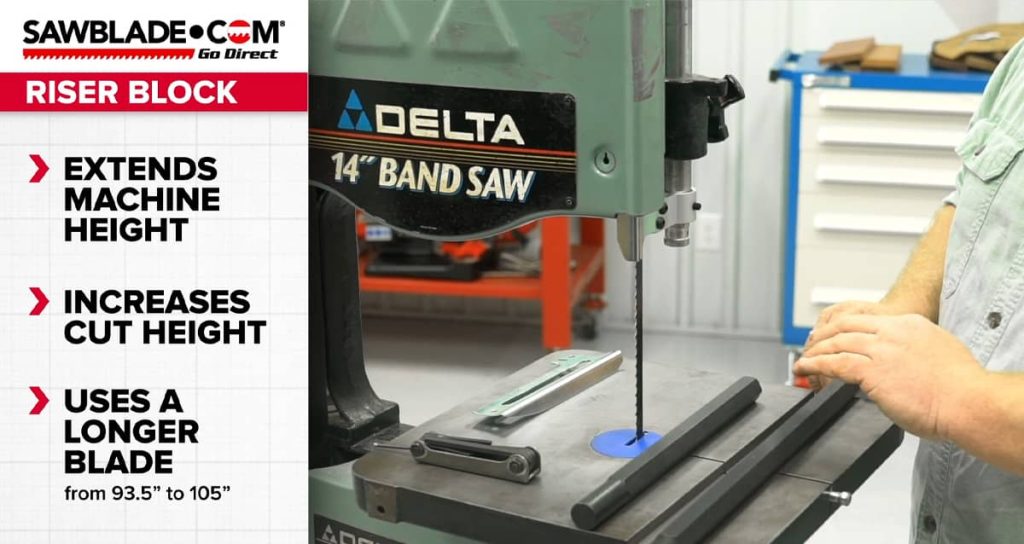
If you have ever tried to resaw thick lumber on a 14-inch bandsaw, you know the frustration of running into the machine’s stock height limits. Most 14-inch bandsaws ship with a resaw capacity somewhere between 6 and 6.5 inches, which sounds adequate until you attempt to slice through an 8-inch timber or quarter a large log section. This limitation has driven countless woodworkers and small mill operators to explore riser block upgrades as a practical solution. A riser block essentially raises the upper wheel housing, creating additional clearance between the blade guides and the table surface. The result is a significant jump in resaw capacity, often adding 6 inches or more to your maximum cutting height. However, the upgrade involves more than simply bolting on an extension. Understanding what changes before and after installation helps you set realistic expectations and avoid the common pitfalls that compromise blade performance at the new, taller cutting height.
What Happens When You Install a Riser Block
- Your bandsaw’s upper wheel housing sits higher, creating more vertical clearance for the blade
- The maximum resaw capacity typically increases from around 6 inches to approximately 12 inches on most 14-inch machines
- Standard blade lengths no longer fit, requiring you to purchase longer blades sized for the extended frame
- The existing guide post may no longer reach high enough to support the blade at full extension
- Upper and lower blade guides often need repositioning or replacement to maintain proper blade tension across the taller cutting zone
- The overall frame geometry changes slightly, which can affect vibration patterns and require retuning
The Overlooked Problem With Riser Block Installations
Most bandsaw owners focus entirely on the resaw capacity gain without considering how the upgrade affects blade stability. When you raise the upper wheel assembly, you create a longer unsupported blade span between the guides and the cutting surface. Standard guide configurations that worked perfectly at the original height often struggle to maintain proper blade support once the riser block is in place. The guide post that came with your machine might not extend far enough to position the upper guides close to the workpiece during tall cuts. This leaves the blade flexing and wandering precisely when you need it most, during demanding resaw operations through thick stock. Without addressing the guide system, you may find that your new 12-inch resaw capacity produces disappointing results compared to the cleaner cuts you achieved at 6 inches.
Quick Check
How much vertical space does a riser block typically add on a 14-inch bandsaw?
Before the Upgrade: Documenting Your Baseline Performance
Recording your bandsaw’s performance metrics before installing a riser block gives you concrete reference points for comparison afterward. Take note of your current maximum resaw capacity by measuring from the table surface to the bottom of the fully raised upper guide assembly. Cut several test pieces at your maximum height and examine the cut quality closely. Look for blade drift, surface roughness, and any signs of the blade wandering during the cut. Photograph the results and measure any deviation from a straight line across the cut face. Also document your blade tension settings, guide positions, and the specific blade types that perform best on your machine. This baseline data becomes invaluable when fine-tuning your setup after the riser block installation, giving you a clear picture of what actually improved versus what may need additional adjustment.
Resaw Capacity Comparison: Before and After Riser Block Installation
| Measurement Category | Before Riser Block | After Riser Block |
| Maximum Resaw Capacity | 6 to 6.5 inches | 12 to 12.5 inches |
| Required Blade Length | 93.5 inches (typical 14-inch saw) | 105 to 106 inches |
| Effective Cutting Height at Full Extension | Limited by guide reach | Depends on guide post upgrade |
| Guide Post Extension Needed | None | 6 inches additional reach |
| Recommended Blade Width for Resaw | 1/2 inch maximum | 3/4 to 1 inch for stability |
| Typical Installation Time | N/A | 1 to 2 hours |
Why Guide Systems Fail After Riser Block Upgrades
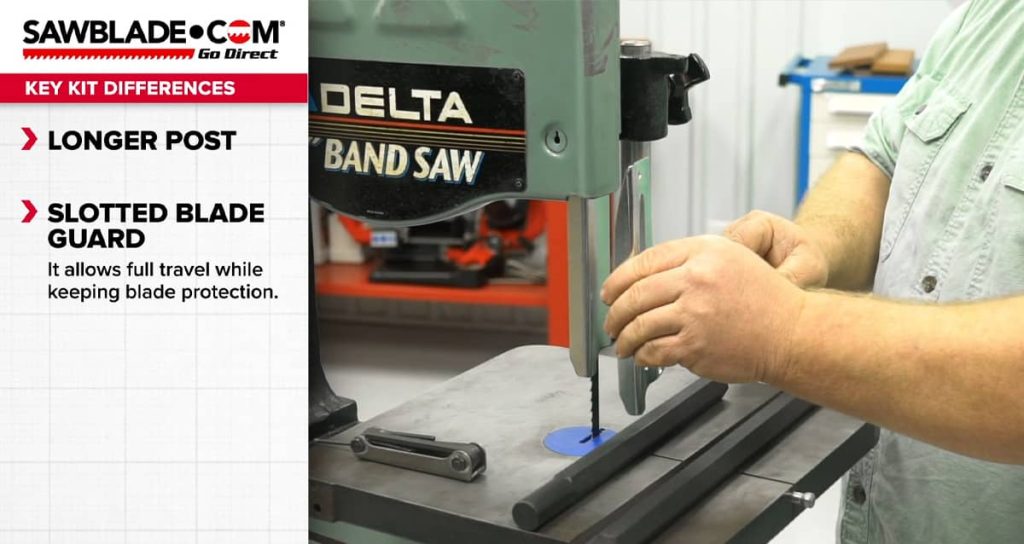
The relationship between your riser block and guide system is something many first-time upgraders overlook until they experience problems. When the upper wheel assembly moves up by 6 inches, your existing guide post suddenly finds itself too short to position the upper guides near the workpiece during tall cuts. Blade support suffers because the guides sit too far above the cutting action, allowing the blade to twist and deflect under load. Some woodworkers attempt to compensate by running the guides at maximum extension, but this introduces its own stability issues. The proper solution involves either extending the guide post or upgrading to a guide system specifically designed to work with riser block configurations. Matching your guide setup to the increased cutting height ensures that blade stability remains consistent whether you are resawing at 4 inches or the full 12 inches your upgraded saw can now handle.
Quick Check
Blade tension recalibration is unnecessary after mounting a longer blade following a riser block install.
Key Adjustments Required After Installing a Riser Block
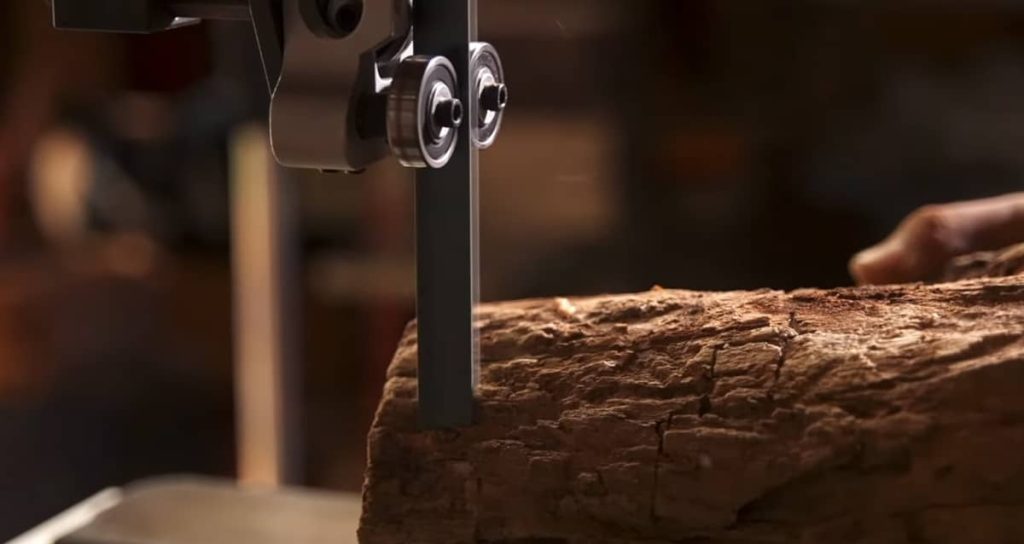
- Extend or replace the guide post so upper guides can reach within 1/4 inch of tall workpieces
- Recalibrate upper and lower guide spacing to maintain even blade support
- Install a longer blade matched to the new frame dimensions
- Check and adjust blade tracking on the upper wheel after reassembly
- Verify blade tension using the increased blade length as your reference
- Test cut at multiple heights to confirm consistent performance throughout the expanded range
- Fine-tune thrust bearings and side guides to eliminate any new play or vibration
Real Performance Gains: What the Numbers Show
After completing a riser block installation with proper guide system compensation, the performance difference becomes immediately measurable. Test cuts through 10-inch walnut that would have been impossible before now proceed smoothly with minimal blade drift. Surface quality on resawn boards typically shows improvement once the guides are properly positioned, with less washboarding and fewer blade marks visible on the cut face. Feed rates can often increase slightly because the blade tracks more predictably through the full height of the cut. Where a stock 14-inch bandsaw might struggle to produce bookmatched panels wider than 6 inches, the upgraded machine handles 10 and 11-inch stock with confidence. The practical value extends beyond just capacity numbers since you gain the ability to work with lumber sizes that previously required either a larger machine or outsourcing the cuts entirely.
ALSO WORTH READING
Choosing the Right Bandsaw Guides
If you’re weighing your options between aftermarket and factory-installed bandsaw guides, it helps to understand what each brings to the table. Our comparison of aftermarket bandsaw guides vs OEM guides breaks down the key differences in performance, durability, and overall value. Whether you’re looking to upgrade your current setup or simply curious about what’s available, you’ll find the details you need to make a confident decision.
Signs Your Riser Block Setup Needs Further Adjustment
- Blade drift increases noticeably when cutting at heights above 8 inches
- Washboard patterns appear on resawn surfaces during tall cuts but not shorter ones
- The blade deflects visibly when viewed from above during operation
- Upper guides cannot be positioned close to the workpiece at full resaw height
- Unusual vibration develops when the blade is under load at extended heights
- Cut accuracy decreases as you approach the maximum resaw capacity
- The blade consistently wanders toward one side during resaw operations
Quick Check
With proper guide compensation, what’s the maximum thickness variation observed across 12-inch-tall resawn stock? Drag to answer (thousandths of an inch).
Matching Your Guide System to Your New Capacity
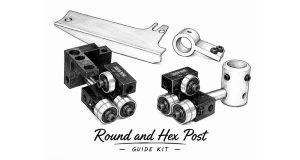
A riser block alone represents only half of a complete resaw capacity upgrade. The guide system must evolve alongside the increased cutting height to deliver the accuracy you expect. Many aftermarket guide kits now include extended guide posts specifically designed for riser block applications. These kits position the upper guides close to the workpiece throughout the expanded cutting range, maintaining blade stability at heights that would otherwise cause drift and deflection. When selecting a guide upgrade, verify that the post length accommodates your full resaw capacity with room to spare. The combination of a quality bandsaw blade paired with properly matched guides transforms a marginal resaw setup into a reliable production tool. Investing in the complete solution rather than the riser block alone saves frustration and produces results that justify the upgrade cost.
Common Mistakes That Reduce Riser Block Upgrade Benefits
- Installing the riser block without upgrading to longer blades, causing improper tension
- Ignoring guide post limitations and running upper guides too far from the workpiece
- Failing to retune blade tracking after changing the frame geometry
- Using narrow blades designed for curves when attempting heavy resaw work
- Skipping the blade tension adjustment needed for the new, longer blade length
- Neglecting to verify that thrust bearings still contact the blade properly
- Attempting full-height resaw cuts before completing all necessary adjustments
Making the Most of Your Expanded Resaw Capacity
The before and after difference in resaw capacity following a riser block upgrade can fundamentally change how you approach lumber processing. Projects involving thick slabs, wide bookmatched panels, and veneer production from full-dimension stock become practical rather than aspirational. The key to realizing these benefits lies in treating the upgrade as a system rather than a single component swap. Address the guide post extension, select appropriate blade lengths and widths, and take time to properly tune the machine after reassembly. Document your results with test cuts at various heights so you understand exactly what your upgraded bandsaw can deliver. With the mechanical foundation properly established, your 14-inch bandsaw performs closer to machines costing significantly more, handling resaw work that previously exceeded its capabilities and opening new possibilities for your woodworking or milling operations.