Understanding the Real Differences Between Guide Options
When your bandsaw blade starts wandering mid-cut or you notice premature blade wear, the guide system is often the first place to look. The choice between aftermarket bandsaw guides and OEM guides affects everything from cut quality to long-term operating costs, yet many woodworkers and metalworkers stick with factory equipment simply because they have not explored alternatives. Whether you run a small woodworking shop or manage an industrial fabrication facility, understanding what each guide type brings to the table can save you money, reduce downtime, and improve your finished results. This comparison goes beyond the typical feature lists to examine real-world performance factors that actually matter during daily use.
Key Factors That Separate Aftermarket Guides from OEM Options
- Bearing quality and construction materials vary significantly, with aftermarket manufacturers often using sealed precision bearings rated for higher RPMs and longer service intervals
- Adjustment mechanisms differ in design philosophy, where some aftermarket systems offer micro-adjustment capabilities that factory guides simply do not include
- Heat dissipation characteristics change based on guide block materials, affecting blade life during extended cutting sessions
- Mounting compatibility requires careful verification since aftermarket guides may need adapter plates or modification to fit certain bandsaw models
- Replacement part availability tends to favor OEM guides initially but aftermarket brands often provide better long-term support for discontinued saw models
- Price points range from budget aftermarket options at half the OEM cost to premium aftermarket systems costing three times as much
Why OEM Bandsaw Guides Remain Popular Despite Limitations
Original equipment manufacturer guides continue to dominate initial purchases for practical reasons beyond brand loyalty. When you buy a new bandsaw, the included guides are designed specifically for that machine, meaning alignment, clearances, and mounting points work without modification. This plug-and-play simplicity matters for shops that lack time for extensive setup procedures. OEM guides also maintain warranty coverage, which protects your investment during the initial ownership period. The engineering behind factory guides typically focuses on adequate performance across a wide range of applications rather than optimized performance for specific tasks. For general-purpose cutting where blade precision matters less than convenience, stock bandsaw guides serve their purpose without complication.
Quick Check
What design philosophy drives most aftermarket ball-bearing guide kits?
Where Aftermarket Bandsaw Guides Outperform Factory Equipment
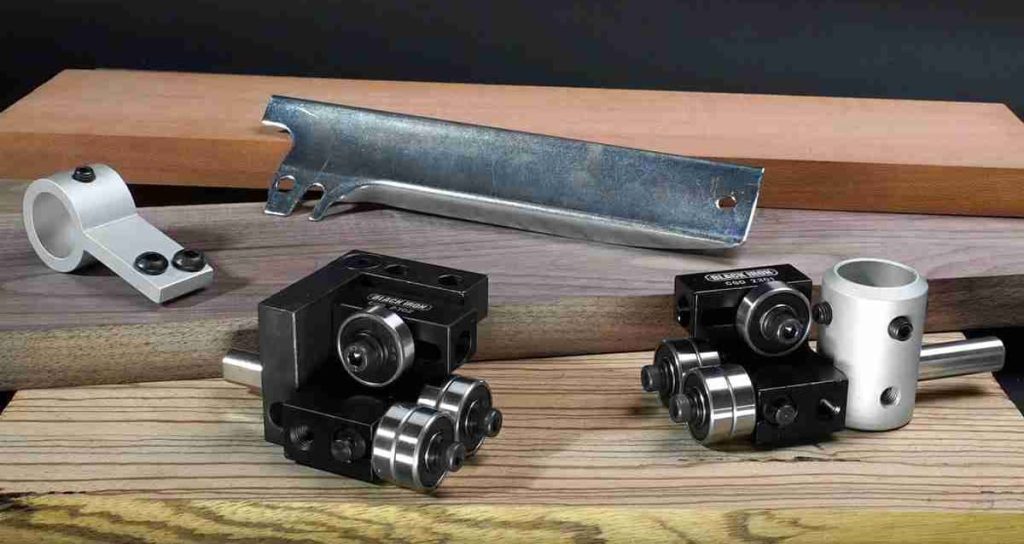
The performance gap between aftermarket and OEM guides becomes most obvious during demanding applications. Resawing thick hardwood stock highlights this difference immediately because quality aftermarket roller guides maintain blade position under heavy lateral pressure that would cause factory guide blocks to allow blade deflection. Ceramic or carbide guide blocks in premium aftermarket systems generate less friction heat than standard steel blocks, which translates directly to longer blade life when cutting metals or running extended production schedules. Shops that switched from factory guides to precision aftermarket systems commonly report blade consumption dropping by 20 to 40 percent over a year of regular use. This improvement comes from better blade support that reduces stress fatigue and prevents the micro-cracks that lead to premature blade failure.
Aftermarket vs OEM Bandsaw Guides Comparison
| Feature | OEM Guides | Budget Aftermarket | Premium Aftermarket |
| Initial Cost | Moderate | Low | High |
| Installation Complexity | None | Low to Moderate | Moderate to High |
| Blade Support Precision | Standard | Variable | Excellent |
| Bearing Service Life | 500 to 1000 hours typical | 300 to 800 hours | 1500 to 3000 hours |
| Adjustment Range | Fixed or Limited | Moderate | Extensive |
| Material Options | Steel blocks standard | Steel or phenolic | Ceramic, carbide, or precision bearings |
| Warranty Coverage | Matches saw warranty | 1 to 2 years typical | 3 to 5 years common |
| Replacement Part Cost | Moderate to High | Low | Moderate |
The Hidden Costs of Choosing Budget Aftermarket Guides
Not all aftermarket bandsaw guides deliver on their promises, and the lowest-priced options frequently create more problems than they solve. Cheap bearing guides often use unsealed bearings that collect dust and debris, leading to premature failure and potential blade damage. Poorly machined mounting hardware introduces play into the guide system that no amount of adjustment can eliminate. Some budget aftermarket guides use softer metals that wear quickly, requiring replacement more often than the factory equipment they were meant to improve upon. The time spent troubleshooting alignment issues and replacing failed components quickly erases any initial savings. When evaluating aftermarket options, examining bearing specifications, material grades, and manufacturing tolerances provides better guidance than price alone.
Quick Check
Model-specific mounting brackets are generally preferable to universal adapters that need modification.
Signs Your Current Bandsaw Guides Need Replacement
- Visible wear grooves or flat spots on guide blocks that contact the blade
- Bearings that no longer spin freely or make grinding sounds during operation
- Consistent blade drift that persists despite proper blade tensioning and wheel alignment
- Increased blade breakage frequency compared to historical performance
- Burn marks on cut surfaces indicating excessive blade friction
- Difficulty maintaining straight cuts even with sharp, properly tensioned blades
- Noticeable vibration that was not present when the guides were new
Matching Guide Types to Specific Bandsaw Applications
The best guide choice depends heavily on what you actually cut and how often you cut it. Woodworking shops focused on curves and scrollwork benefit less from premium guides than shops doing heavy resawing where blade stability directly affects yield from expensive lumber. Metal cutting applications demand guides with superior heat resistance and tighter tolerances to handle the slower speeds and higher blade tensions involved. Production environments running bandsaws for eight or more hours daily see faster return on investment from premium aftermarket guides than hobby shops using their saws occasionally. Matching your guide system to your actual usage patterns prevents both overspending on unnecessary features and underspending on equipment that cannot handle your demands.
ALSO WORTH READING
Ready to Start Shopping?
If you’re getting closer to making a decision, it helps to know exactly what to look for when comparing models. Our guide on key miter saw features every buyer should know breaks down the essential specs and functions that actually matter. It covers everything from blade size and bevel capacity to dust collection and safety features, so you can shop with confidence and find the right saw for your needs.
Installation Considerations for Aftermarket Guide Systems
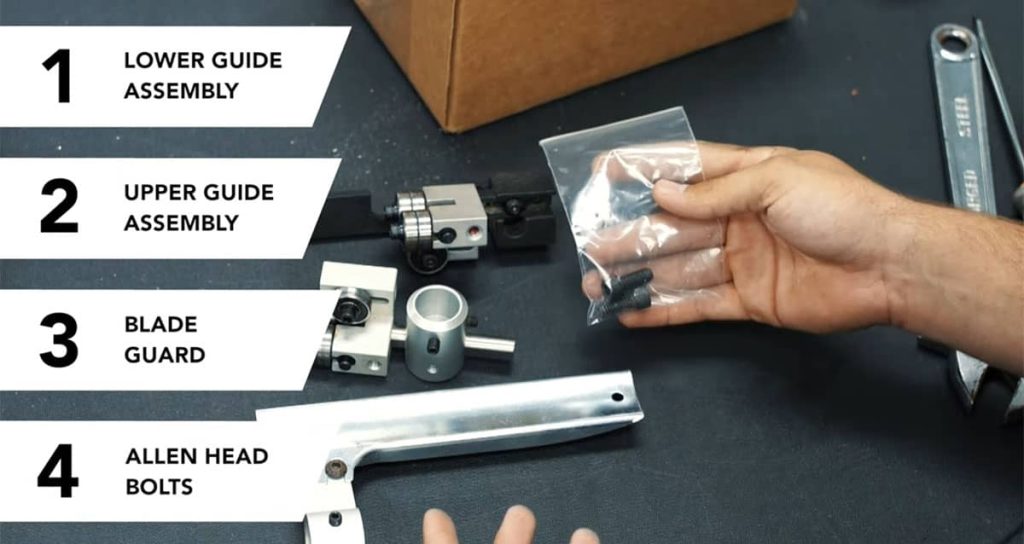
- Measure your existing guide post dimensions before ordering to confirm mounting compatibility
- Check whether the aftermarket system requires any permanent modifications to your saw
- Verify that the guide adjustment range accommodates all blade widths you commonly use
- Confirm clearance around the guide area for blade changes and routine adjustments
- Read installation documentation thoroughly before beginning to identify any special tools needed
- Plan for initial setup time of two to four hours for most aftermarket guide installations
- Test alignment with a blade installed before making any cuts
Quick Check
How many years of documented performance do certain Laguna ceramic guides show with no measurable wear? Drag to answer.
Long-Term Value Analysis Beyond Initial Purchase Price
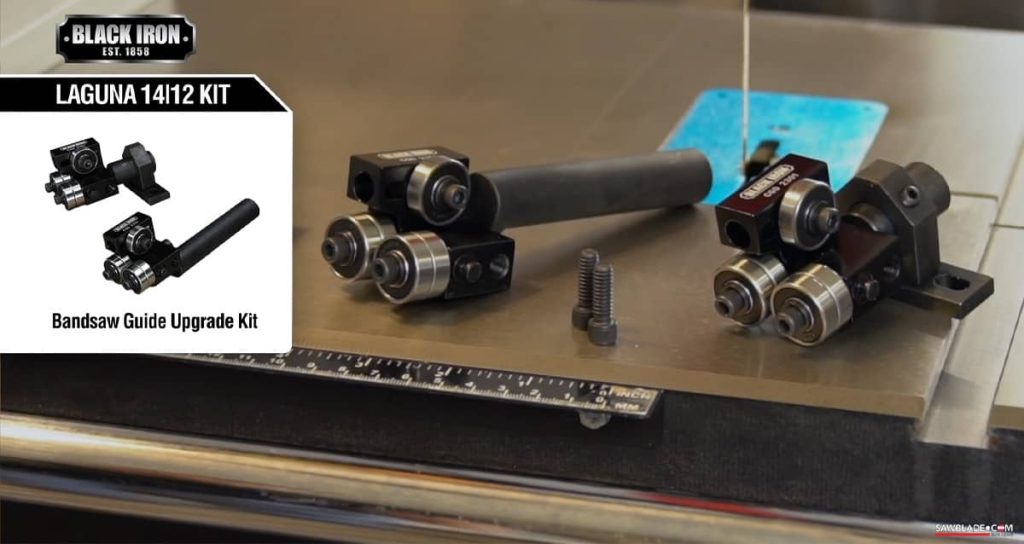
Calculating the true value of bandsaw guides requires looking past the sticker price to total cost of ownership over several years. A premium aftermarket guide system priced at 250 dollars that extends blade life by 30 percent and lasts five years costs less per year than factory guides at 80 dollars that need replacement every 18 months. The labor time saved from reduced blade changes and fewer alignment adjustments adds up quickly in commercial settings where hourly shop rates apply to every task. Improved cut quality from better guides can reduce material waste and secondary finishing operations, generating savings that never appear on a guide system invoice. When you need replacement bandsaw blades and accessories, investing in guides that protect those blades makes economic sense beyond the immediate purchase.
Common Mistakes When Upgrading Bandsaw Guides
- Assuming all aftermarket guides fit all bandsaws without verifying specific model compatibility
- Ignoring blade width limitations that may differ from factory guide specifications
- Failing to properly adjust guide position relative to blade teeth, causing premature wear
- Over-tightening guide block pressure against the blade, increasing friction and heat
- Neglecting to check thrust bearing alignment after installing new side guides
- Skipping the break-in period recommended by some aftermarket guide manufacturers
- Expecting dramatic improvements without addressing other machine issues like worn tires or misaligned wheels
Making the Right Choice for Your Shop
The decision between aftermarket bandsaw guides and OEM guides ultimately comes down to honest assessment of your needs, budget, and willingness to invest setup time. Hobbyists with light-duty saws used a few times monthly may find factory guides perfectly adequate, while serious woodworkers and metalworkers pushing their equipment regularly will likely benefit from quality aftermarket upgrades. Rather than viewing this as a simple upgrade decision, consider it part of a broader approach to bandsaw optimization that includes proper blade selection, correct tensioning, and regular maintenance. Testing your current guides against the wear indicators listed above helps determine whether replacement makes sense now or can wait. Whatever direction you choose, understanding what your guides actually do and how different designs affect performance puts you in a better position to get the most from your bandsaw investment.