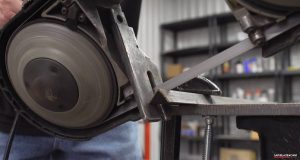
Why Stainless Steel Challenges So Many Bandsaw Blades
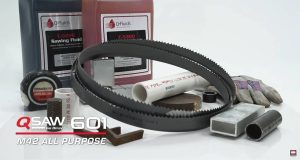
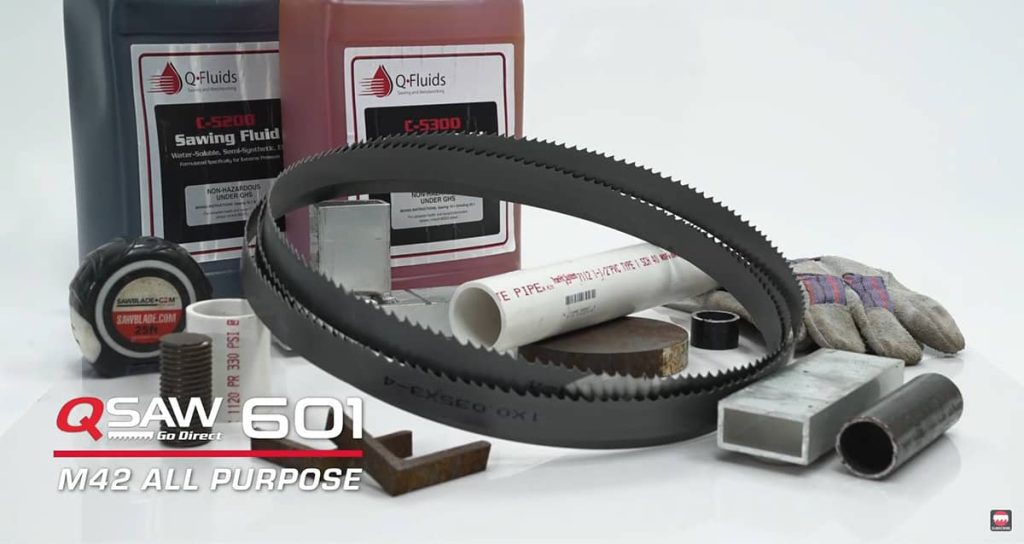
Cutting stainless steel is one of the most demanding tasks a bandsaw blade can face. The material work hardens quickly, generates significant heat during cutting, and resists the blade in ways that carbon steel simply does not. Many shops go through blades at an alarming rate when processing stainless, leading to higher costs and frustrating downtime. The Qsaw 601 M42 bandsaw blade was engineered specifically with these challenges in mind, using a cobalt high-speed steel edge bonded to a flexible backing that can withstand the punishment stainless steel dishes out. For fabricators, machine shops, and metalworking operations that regularly cut 304, 316, or other stainless grades, selecting the right blade makes the difference between efficient production and constant blade changes.
Key Features That Make M42 Bandsaw Blades Effective on Stainless Steel
- Cobalt high-speed steel cutting edge that maintains hardness at elevated temperatures
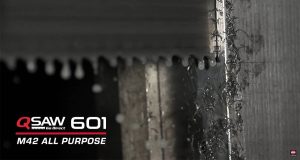
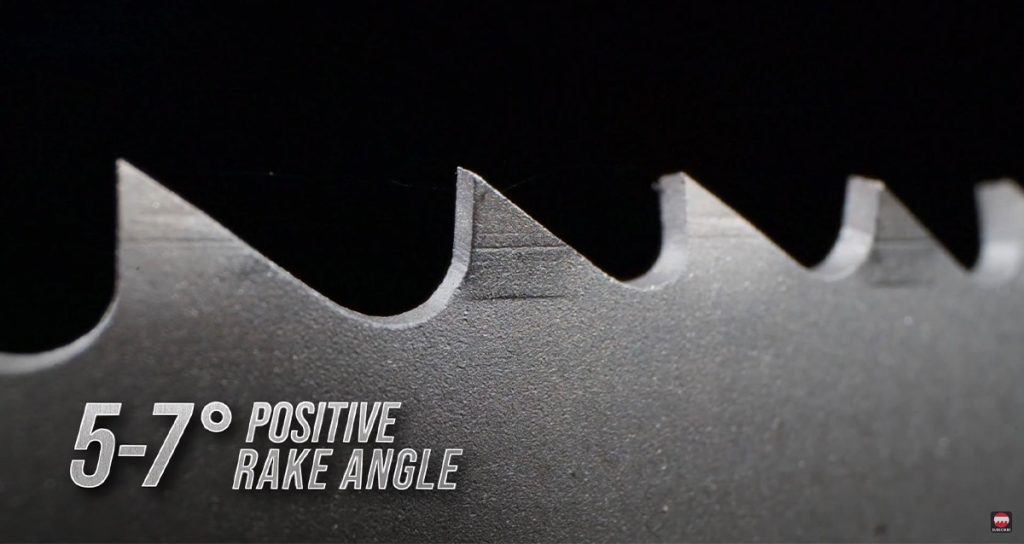
- Aggressive ground tooth geometry with 5 to 7 degree positive rake for efficient chip removal
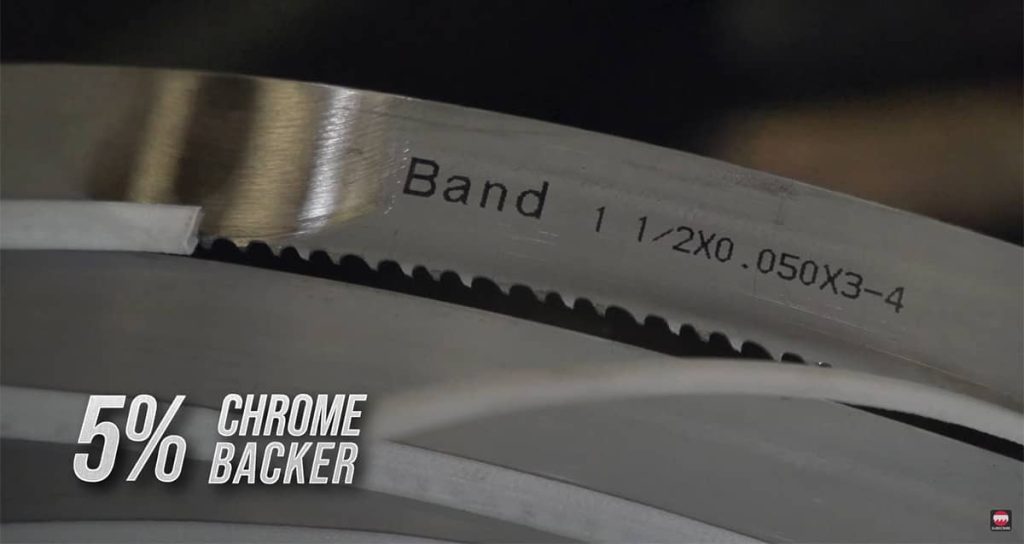
- Bi-metal construction combining edge hardness with backing flexibility
- Variable pitch tooth patterns available in 4/6 TPI and 6/10 TPI configurations
- Designed to resist shock, vibration, and heat buildup during extended cuts
- Compatible with both vertical and horizontal bandsaw machines
Understanding the M42 Designation and What It Means for Your Shop
The M42 designation refers to a specific grade of high-speed steel containing approximately 8 percent cobalt. This cobalt content is what gives M42 bandsaw blades their heat resistance advantage over standard bi-metal or carbon steel options. When cutting stainless steel, friction generates heat rapidly at the tooth tips. Lower grade blades begin to soften and dull as temperatures rise, but the M42 edge holds its hardness up to approximately 1100 degrees Fahrenheit. This means the Qsaw 601 can maintain a sharp cutting edge through longer runs, reducing the frequency of blade changes and keeping your production moving. For shops that previously struggled with blade life on stainless applications, the difference is often noticeable within the first few cuts.
Quick Check
What is the recommended blade speed (SFM) when cutting 304 stainless round bar with an M42 blade? Drag to answer.
How the Qsaw 601 Performs on Common Stainless Steel Grades
The Qsaw 601 M42 bandsaw blade handles the most frequently encountered stainless grades in fabrication and machine shop environments with consistent results. When cutting 304 stainless, the blade performs best at reduced speeds compared to carbon steel, typically 150 to 200 surface feet per minute depending on material thickness. Grade 316 stainless, which contains molybdenum and tends to be slightly tougher, responds well to the same approach with perhaps a bit more feed pressure. The positive rake angle on the Qsaw 601 helps the teeth bite into the material rather than skating across the surface, which is a common problem when blades are not optimized for stainless. Proper coolant application keeps temperatures manageable and washes chips away from the cut zone, further extending blade life and improving cut quality.
Recommended Cutting Parameters for Stainless Steel with M42 Blades
| Material Type | Blade Speed (SFM) | Feed Pressure | Coolant | Recommended TPI |
| 304 Stainless Round Bar | 150 to 180 | Moderate to Heavy | Flood Coolant Required | 4/6 or 6/10 |
| 316 Stainless Plate | 140 to 170 | Heavy | Flood Coolant Required | 4/6 |
| 304 Stainless Tubing | 160 to 200 | Light to Moderate | Flood Coolant Required | 6/10 or 8/12 |
| Stainless Structural Shapes | 150 to 180 | Moderate | Flood Coolant Required | 4/6 |
| 17-4 PH Stainless | 120 to 150 | Heavy | Flood Coolant Required | 4/6 |
Why Variable Pitch Matters When Cutting Stainless Steel Tubing and Structural Shapes
When cutting stainless steel tubing, structural shapes, or bundled materials, the blade encounters constantly changing material thickness throughout each cut. A constant pitch blade can develop harmonic vibrations under these conditions, leading to rough cuts, excessive noise, and accelerated tooth wear. The Qsaw 601 M42 bandsaw blade is available in variable pitch configurations like 4/6 TPI and 6/10 TPI that break up these vibration patterns. The alternating tooth spacing ensures that multiple teeth are engaged at varying depths, smoothing out the cutting action and producing cleaner results. This becomes especially noticeable on thin wall stainless tubing where constant pitch blades often produce wavy cuts or strip teeth entirely.
Quick Check
You can cut stainless steel dry with an M42 blade as long as you keep the blade speed low.
Applications Where the Qsaw 601 M42 Bandsaw Blade Excels
- Stainless steel round bar and square bar in various diameters
- Thin and thick wall stainless tubing in round, square, and rectangular profiles
- Stainless steel structural sections including angles and channels
- Mixed material production runs including carbon, alloy, and stainless steel
- Tool steel and die steel cutting applications
- Chrome steel and nickel based steel processing
- Bundle cutting operations where multiple pieces are stacked
Getting the Most Life from Your M42 Bandsaw Blade on Stainless
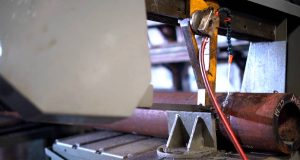
Blade life on stainless steel depends heavily on operator technique and machine setup. Running the blade too fast is the most common mistake, causing premature heat buildup that damages the cutting edge even on high quality M42 blades. The Qsaw 601 delivers best results when operators resist the temptation to push speeds higher than recommended. Coolant flow should be checked regularly to ensure adequate coverage at the cut zone, as dry cutting stainless will destroy any blade quickly. Proper blade tension according to manufacturer specifications prevents tracking issues and ensures the teeth engage the material at the correct angle. Breaking in new blades by running the first few cuts at reduced feed pressure also extends total blade life by allowing the teeth to develop micro-wear patterns gradually rather than chipping under immediate heavy loads.
ALSO WORTH READING
Understanding Band Saw Blade Sizes
If you’re looking to get the most out of your band saw, choosing the right blade size makes all the difference. Our guide on band saw blade sizes walks you through the key terms you need to know, helps you match blade dimensions to your specific projects, and gives you clear next steps for selecting the perfect blade. Whether you’re resawing thick lumber or making intricate curves, it’s a practical resource worth bookmarking.
Signs That Your Current Blade Is Not Suited for Stainless Steel Work
- Rapid tooth dulling requiring frequent blade changes
- Blue or brown discoloration on cut surfaces indicating excessive heat
- Teeth stripping or breaking when cutting tubing or thin sections
- Wavy or angled cuts that drift from the intended line
- Excessive vibration and noise during cutting operations
- Work hardening of the material surface making subsequent cuts more difficult
- Blade backing cracks or premature breakage
Quick Check
Why does the Qsaw 601 use a variable pitch tooth pattern on stainless steel tubing and structural shapes?
Comparing M42 to Other Blade Types for Stainless Steel Cutting
Standard carbon steel bandsaw blades simply cannot handle stainless steel cutting with any consistency. The teeth dull within minutes and the blade becomes useless. Basic bi-metal blades with M3 or standard high-speed steel edges perform better but still fall short when heat builds during extended cuts. The M42 cobalt high-speed steel edge on the Qsaw 601 represents a meaningful step up in performance without requiring specialized carbide tipped blades that cost significantly more. For most fabrication shops and machine shops cutting stainless steel regularly but not exclusively, the M42 bi-metal blade hits the right balance between performance and cost per cut. Shops processing exotic alloys or extremely hard materials may eventually need carbide options, but M42 blades handle the bulk of common stainless applications effectively.
Real World Benefits of Switching to the Qsaw 601 for Stainless Work
- Fewer blade changes during production runs mean less downtime
- Consistent cut quality reduces secondary finishing operations
- Single blade handles carbon, alloy, and stainless without swapping
- Reduced noise and vibration improve operator comfort
- Lower cost per cut compared to frequent blade replacement cycles
- Reliable performance builds confidence in quoting stainless steel jobs
Making the Right Choice for Your Bandsaw and Your Materials
The Qsaw 601 M42 bandsaw blade earns its reputation as a go-to option for shops that need one blade capable of handling diverse materials including stainless steel. While no single blade excels at every possible application, the combination of M42 cobalt high-speed steel, aggressive tooth geometry, and variable pitch options makes this blade a practical choice for mixed production environments. Shops that follow recommended cutting parameters, maintain proper coolant flow, and resist the urge to push speeds beyond appropriate levels will find the Qsaw 601 delivers solid results on 304, 316, and other common stainless grades. For operations tired of burning through inferior blades on stainless steel work, upgrading to a purpose-built M42 bandsaw blade from Qsaw provides a straightforward path to better productivity and lower operating costs.