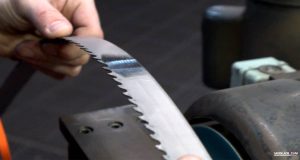
A 14-inch bandsaw handles most shop tasks without complaint. But ask it to resaw a wide slab or process thick rough lumber and the factory resaw height. Typically around 6 inches, that limit becomes a hard ceiling. A riser block removes that ceiling. This guide covers exactly what a riser block is, what it costs you, whether your saw accepts one, and how to approach the installation.
What a Riser Block Actually Does
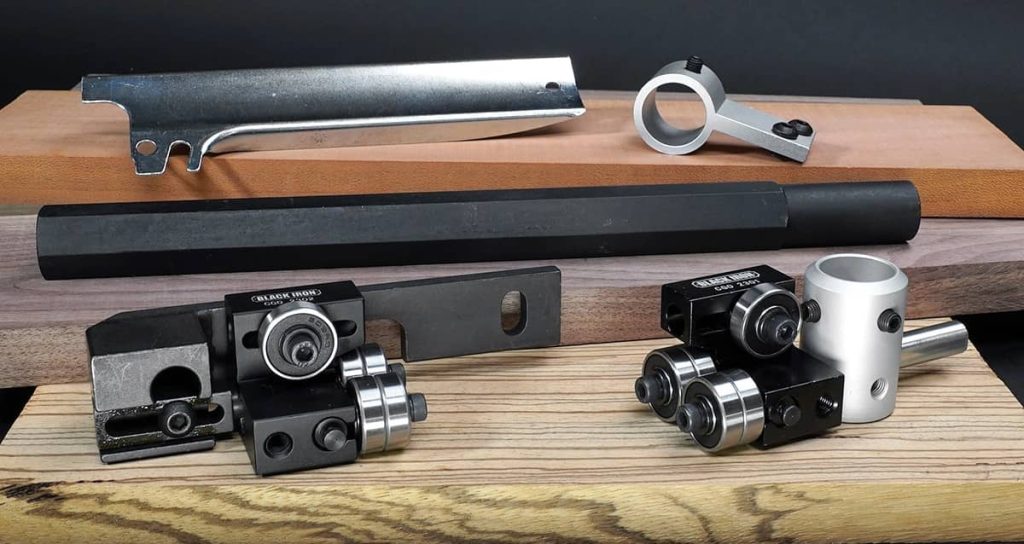
A riser block is a cast iron spacer machined to fit between the upper and lower frame sections of a 14-inch bandsaw. Bolting it in place raises the upper arm of the saw, which increases the distance between the table surface and the upper blade guide. That added clearance is your new resaw capacity.
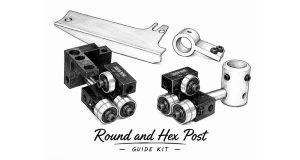
The jump in usable height is significant. A standard 14-inch saw resaws to about 6 inches. With a riser block in place, that figure typically reaches 12 inches. Most kits ship as a complete package:
- Cast iron riser spacer
- Longer guide post to match the new frame height
- Extended blade guard
- Longer tension rod
- Alignment pins and all necessary hardware
- Step-by-step installation guide
Once the block is installed and the saw is reassembled, the increased capacity is permanent. No adjustments are needed each time you want to resaw taller stock.
What Drives Woodworkers to Install One
Resawing Wider Stock
Doubling the resaw height opens up a different category of work. With 12 inches of clearance, a 14-inch saw can manage:
- Bookmatched panels from wide hardwood boards
- Thin shop-made veneer from figured or valuable stock
- Wide slab breakdown
- Bowl and turning blank preparation
- Thick rough lumber milled into usable dimensions
For woodworkers who source wide or thick lumber, the riser block changes the saw from a general-purpose tool into something that can handle serious stock preparation.
Avoiding the Cost of a Larger Machine
Stepping up to a 17-inch or 18-inch bandsaw solves the resaw height problem but comes with a larger price tag, a bigger footprint, and the hassle of replacing a machine that otherwise runs fine. If the 14-inch saw is well-built and in good working order, a riser block is a targeted fix rather than a full replacement.
Keeping the Same Floor Space
Compact shops (basement setups, single-car garages, shared spaces) often have no room for a larger saw. A riser block increases what the existing machine can do without moving it, rearranging the shop, or upgrading the dust collection to handle a bigger unit.
Quick Check
What is the typical resaw height of a standard 14-inch bandsaw after installing a riser block?
Limitations Worth Knowing Before You Buy
Frame Rigidity Takes a Small Hit
Splitting the frame and inserting a spacer affects how rigid the saw feels under load. On a well-made cast iron saw, the difference is typically minor. But it can show up as:
- Slightly more vibration during heavy cuts
- Lower peak blade tension on certain models
- Tracking drift if the block is not installed perfectly square and level
Occasional resawing of softwoods or moderate hardwoods rarely surfaces these issues. A shop running the saw hard every day through very dense exotics may eventually notice the difference compared to a machine built tall from the factory.
Installation Requires a Full Retune
The physical installation takes most woodworkers one to two hours. It involves splitting the frame, inserting the block, fitting the longer guide post and tension rod, and reassembling. What adds time is what comes after: every adjustment on the saw, including tracking, tension, guide bearings, and table square, needs to be reset from scratch. Plan for that before you start, especially if you need the saw running again the same day.
Saw Compatibility
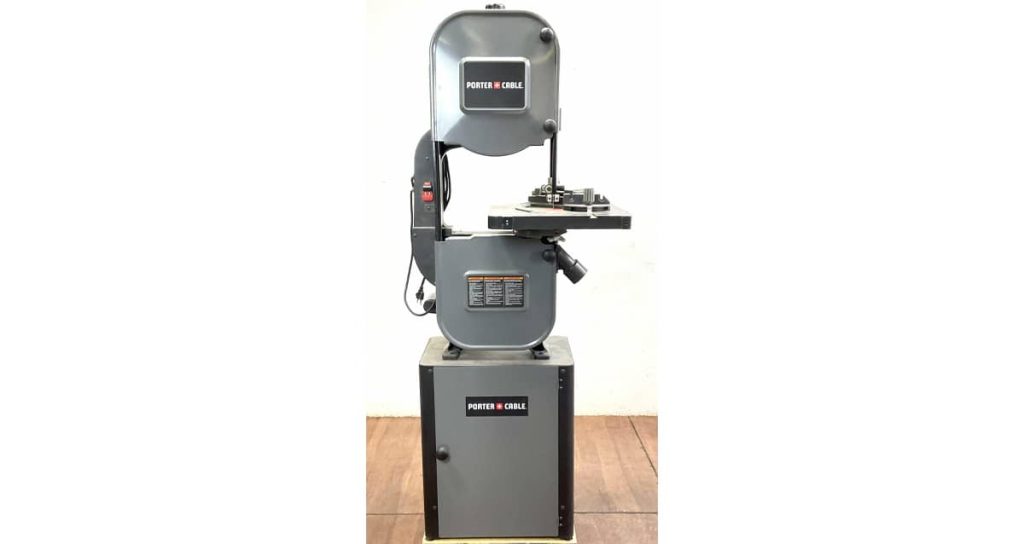
Riser blocks are built around one specific design: the 14-inch two-piece cast iron bandsaw frame, originally developed by Delta and copied widely across the industry. The frame needs a defined split point between upper and lower sections for the spacer to drop in cleanly.
Saws confirmed to work with standard riser block kits:
- Delta 28-203
- Jet JWBS-14CS
- Grizzly G0555
- Rikon 10-324
Before purchasing, verify the following:
| Factor | What to Confirm | Common Issue if Wrong |
| Frame design | Two-piece cast iron construction | Welded or steel frames have no split point for the block |
| Wheel size | Confirmed 14-inch wheel diameter | Block height is proportioned to this wheel size only |
| Kit compatibility | Use the brand’s own kit where possible | Off-brand kits can create alignment gaps |
| Guide post diameter | Kit post matches your saw’s original | Wrong diameter leaves the post loose or unusable |
| Blade length | Plan for ~105″ blade vs. factory ~93-1/2″ | Longer blade must be ordered before installation day |
Saws built on welded steel frames or modern one-piece designs do not work with riser blocks. When in doubt, contact the manufacturer with your model number before ordering. Once compatibility is confirmed, Sawblade.com can supply the 105-inch replacement blade in the exact configuration your saw needs.
Blade Selection After the Upgrade
The taller frame needs a longer blade. The standard blade on most 14-inch saws measures around 93-1/2 inches. After a riser block installation, that requirement increases to approximately 105 inches. The saw will not run without the correct blade length. Order blades before you start the installation.
Blade Specs That Work Best for Tall Resawing
Blade choice has a direct effect on cut quality at this height range. For resawing between 10 and 12 inches, these specifications hold up well:
- Width: 1/2 to 3/4 inch, wider blades resist lateral flex through tall cuts
- TPI: 3 teeth per inch, low tooth count clears chips efficiently in thick stock
- Tooth form: hook tooth, aggressive geometry that moves waste out of the cut
- Construction: bi-metal or carbide-tipped for hardwood and demanding materials
A narrow blade flexes under the sideways pressure that tall resawing creates, which leads to drift and curved cuts. Wider blades with low TPI stay straighter through the full height of the cut. For the 105-inch length in specific widths and tooth configurations, specialty retailers who build to order(such as Sawblade.com) can produce exact-spec blades when standard stock sizes do not cover what you need.
Quick Check
Riser blocks are compatible with any 14-inch bandsaw, including welded steel-frame models.
How the Installation Goes
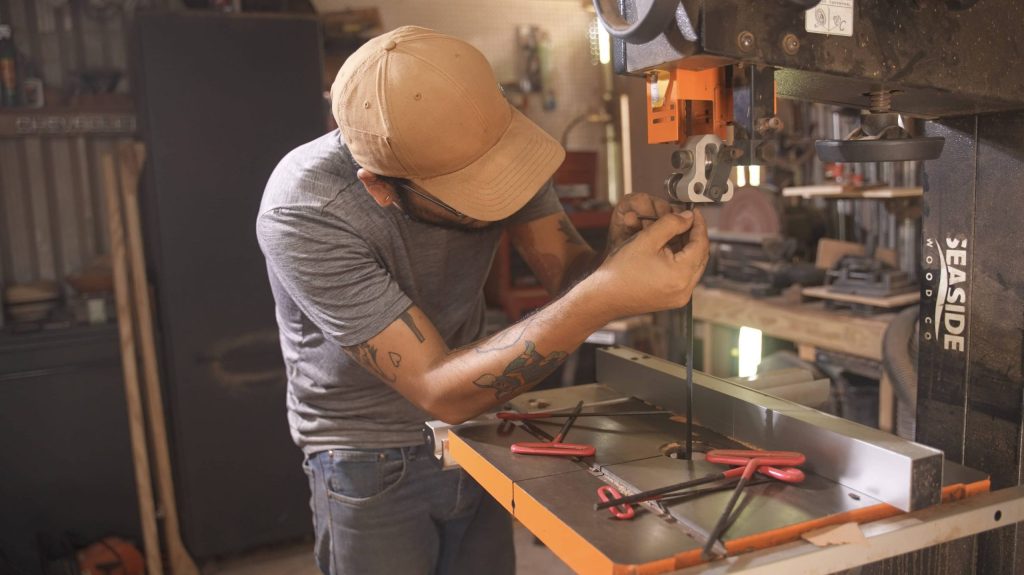
The job is straightforward for anyone who maintains their own tools. Here is the sequence from start to finish:
- Unplug the saw and clear the work area
- Remove the blade and take off the upper guide assembly
- Support the upper frame before removing any bolts; it is heavier than it looks
- Back out the frame bolts that hold the upper and lower sections together
- Lift the upper frame, set the riser block in position, and seat the alignment pins
- Install the longer guide post and tension rod from the kit
- Set the upper frame back down onto the block and reinstall all frame bolts
- Mount the new 105-inch blade
- Set blade tracking and bring tension up to spec
- Realign guide bearings, check table square, and reset any fence or stop
The tuning steps at the end matter as much as the physical installation. A saw that tracked cleanly before the upgrade may need more adjustment than expected once the frame geometry changes. Take your time with it.
Cutting Superalloys on a Bandsaw: What You Should Know First
Not all materials behave the same under a bandsaw blade. If your work ever goes beyond wood and into high-performance metals, understanding what you are cutting makes a real difference in blade life and cut quality. Superalloys in particular place specific demands on blade selection, tooth geometry, and feed rate. Our guide on What Is a Superalloy? Definition, Types, and Essential Properties Explained breaks down what these materials are made of, how they differ from standard alloys, and why they require a different approach at the saw.
Quick Check
What blade length (in inches) is required after installing a riser block on a 14-inch bandsaw? Drag to answer.
Matching the Upgrade to Your Situation
This upgrade suits:
- Hobbyists who want significantly more from a saw they already own and trust
- Small-shop woodworkers who process wide or thick lumber with some regularity
- Anyone who wants more resaw capacity without altering their shop layout
- Owners of solid, well-maintained 14-inch cast iron saws
This upgrade is a poor fit for:
- Production shops where the saw runs under heavy load throughout the day
- Regular cutting of very dense exotic hardwoods at high volume
- Saws with motors under 1 HP that already struggle to hold tension on wide blades
- Anyone who plans to replace the saw entirely within the next year or two
The Bottom Line
A riser block is one of the few upgrades for a 14-inch bandsaw that delivers a genuinely meaningful change in capability. Doubling the resaw height turns a general shop saw into a machine that can handle real lumber processingwithout buying new equipment or reorganizing the shop.
The upgrade works best on a saw that is already solid. If the motor is undersized, the frame is worn, or the saw has trouble holding tension at its current blade size, a riser block will not fix those problems. Address the underlying issues first, or put the budget toward a better machine.
For a well-maintained 14-inch cast iron saw paired with the right 105-inch blade and a careful post-installation tune-up, the riser block consistently delivers on what it promises: more height, more capacity, and a wider range of work from the same footprint.