Understanding Superalloys and Why They Matter in Modern Manufacturing
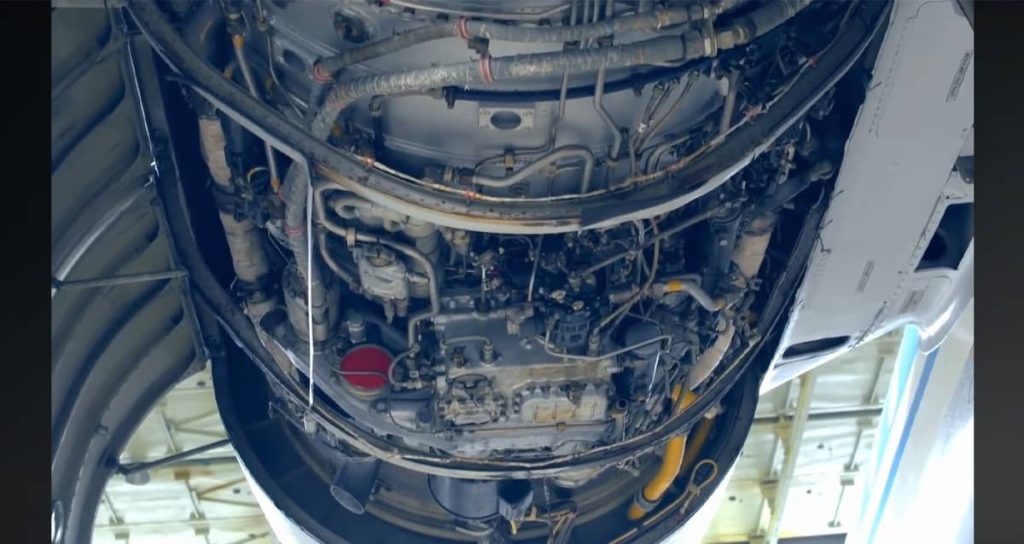
When you work with metals long enough, you start to appreciate that not all alloys are created equal. Superalloys represent a specialized category of high-performance materials engineered to maintain their mechanical strength, surface stability, and corrosion resistance at extremely high temperatures, often exceeding 1000 degrees Celsius. These materials were initially developed for aerospace applications during World War II, but today they serve essential roles in power generation turbines, chemical processing equipment, and medical implants. If you have ever wondered what keeps a jet engine from melting under extreme heat or how industrial gas turbines withstand years of continuous operation, the answer almost always involves superalloys. Understanding exotic alloys and superalloys starts with recognizing that these materials occupy a unique space between conventional metals and advanced ceramics, offering properties that neither category can match on its own.
Key Characteristics That Define Superalloys
- Exceptional high-temperature strength that persists above 650 degrees Celsius
- Outstanding resistance to thermal creep, which prevents gradual deformation under sustained heat and load
- Superior oxidation resistance that protects against surface degradation
- Excellent fatigue resistance during repeated thermal cycling
- Good corrosion resistance in aggressive chemical environments
- Stable microstructure that resists phase changes at elevated temperatures
- Ability to maintain hardness when conventional steels would soften
How Superalloys Differ from Standard Alloys
The distinction between superalloys and conventional alloys comes down to performance under extreme conditions. Standard stainless steels and aluminum alloys lose significant strength once temperatures climb past 300 to 400 degrees Celsius, making them unsuitable for hot-section components in turbines or furnaces. Superalloys achieve their remarkable properties through carefully controlled compositions that include significant amounts of chromium, cobalt, molybdenum, tungsten, and other refractory elements. These additions create stable microstructures reinforced by precipitate phases, most notably the gamma prime phase in nickel-based superalloys, which acts as a barrier against dislocation movement. The result is a material that can operate reliably in environments that would quickly destroy ordinary metals.
Quick Check
Why do nickel-based superalloys dominate the market compared to cobalt or iron-based options?
The Three Main Types of Superalloys by Base Element
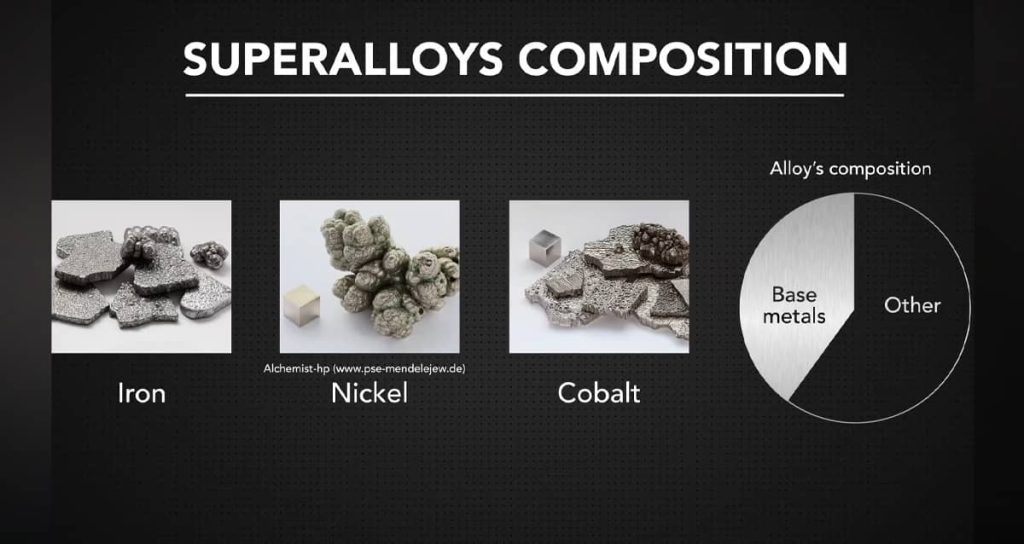
Superalloys are classified according to their primary base element, with each type offering distinct advantages for specific applications. Nickel-based superalloys dominate the market, accounting for roughly 50 percent of all superalloy production, because nickel maintains a stable face-centered cubic crystal structure from room temperature up to its melting point. Cobalt-based superalloys excel in applications requiring superior hot corrosion resistance, particularly in marine gas turbines where salt exposure is a concern. Iron-based superalloys provide a more economical option when operating temperatures remain below 700 degrees Celsius, making them popular choices for steam turbine components and automotive exhaust valves.
Common Superalloy Grades and Their Applications
| Alloy Name | Base Element | Maximum Service Temperature | Primary Applications |
| Inconel 718 | Nickel | 700°C | Jet engine discs, fasteners, cryogenic tanks |
| Waspaloy | Nickel | 870°C | Turbine blades, combustion chambers |
| Hastelloy X | Nickel | 1200°C | Furnace components, gas turbine combustors |
| Haynes 188 | Cobalt | 1095°C | Afterburner components, combustion liners |
| Stellite 6 | Cobalt | 800°C | Valve seats, cutting tools, wear surfaces |
| A-286 | Iron | 700°C | Jet engine cases, turbocharger rotors |
| Incoloy 903 | Iron | 650°C | Gas turbine shafts, structural components |
Why Nickel-Based Superalloys Dominate the Industry
Nickel serves as the foundation for most high-performance superalloys because of its unique metallurgical properties. The element maintains excellent ductility across a wide temperature range while accepting large quantities of alloying additions without forming brittle phases. When aluminum and titanium are added to nickel-based alloys in controlled amounts, they form the gamma prime precipitate phase that provides remarkable strengthening effects. This precipitate has an unusual characteristic where it actually becomes stronger as temperature increases, up to approximately 800 degrees Celsius, which directly counters the typical weakening behavior seen in other metals. Alloys like Inconel 718, Waspaloy, and Rene 41 have become industry standards precisely because their nickel matrices support these beneficial microstructural features.
Quick Check
Standard stainless steels and aluminum alloys can perform reliably above 600 degrees Celsius in turbine applications.
Manufacturing Challenges with Superalloys
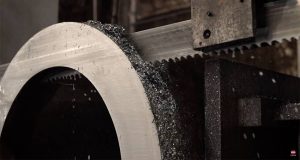
- Machining requires specialized tooling due to rapid work hardening and abrasive carbide particles
- Welding demands precise heat input control to avoid cracking in the heat-affected zone
- Casting processes must use vacuum or inert atmospheres to prevent reactive element loss
- Forging operations need higher forces and more precise temperature control than standard alloys
- Heat treatment cycles can extend for 20 hours or more to achieve proper precipitation hardening
- Quality inspection requires advanced non-destructive testing methods to detect internal defects
The Role of Exotic Metals in Superalloy Compositions
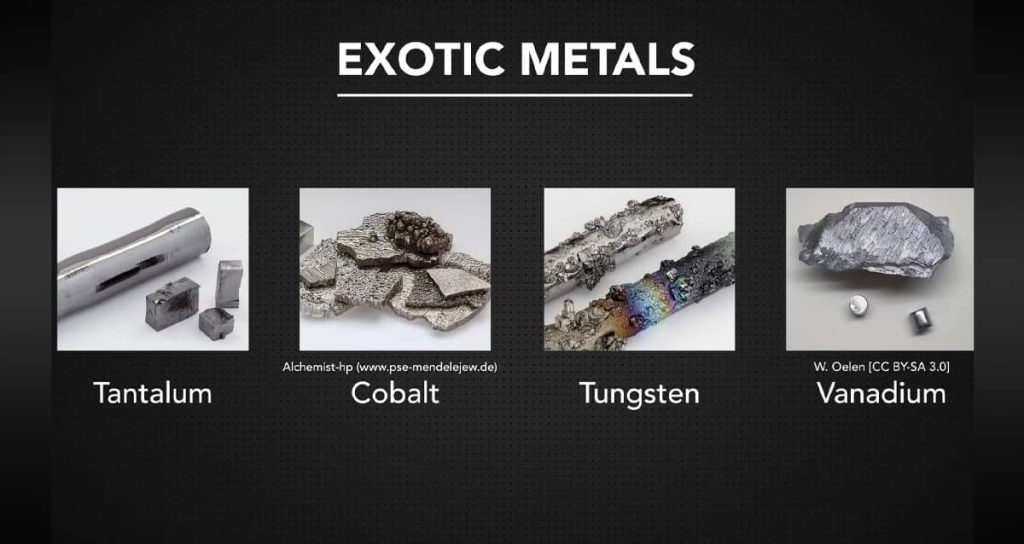
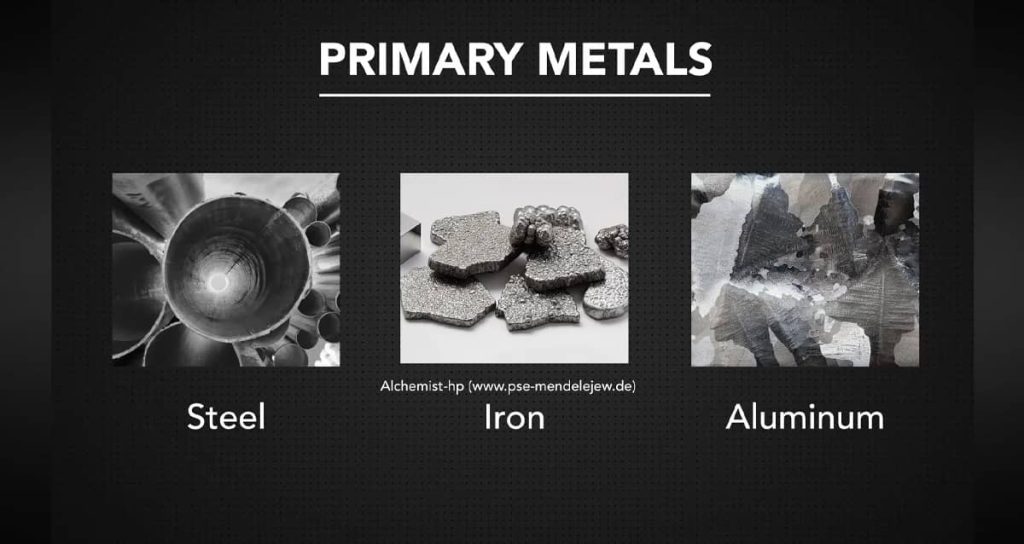
Any metal that falls outside the primary metal groups is considered an exotic metal, and many of these elements play supporting roles in superalloy formulations. Tantalum, tungsten, molybdenum, and rhenium appear frequently in superalloy recipes because they contribute solid solution strengthening and improve creep resistance at extreme temperatures. Rhenium additions as small as 3 to 6 percent can significantly enhance the high-temperature capabilities of single-crystal turbine blade alloys, though the element costs more than gold per ounce. Exotic metals are organized within superalloy compositions to achieve specific property targets, with each element contributing particular benefits that justify its inclusion despite often substantial costs.
ALSO WORTH READING
Learn More About Cold Working
If you’re interested in understanding how metals can be strengthened without heat, you’ll find our guide on cold working helpful. It explains the process in simple terms and breaks down exactly how deformation at room temperature changes a metal’s internal structure. Whether you’re a student, hobbyist, or professional, it’s a solid foundation for understanding this essential metalworking technique. Check out “Cold Working: What It Is, How It Hardens” to dig deeper.
Industries That Rely on Superalloy Components
- Aerospace propulsion systems including jet engines and rocket motors
- Power generation through land-based gas turbines and steam turbines
- Oil and gas extraction equipment for downhole tools and valves
- Chemical processing facilities handling corrosive substances at high temperatures
- Nuclear reactors requiring radiation-resistant structural materials
- Medical device manufacturing for implants that must resist body chemistry
- Automotive turbochargers and high-performance exhaust systems
Quick Check
What percentage of all superalloy production do nickel-based superalloys account for? Drag to answer.
How Superalloys Are Strengthened
The exceptional properties of superalloys result from multiple strengthening mechanisms working together. Solid solution strengthening occurs when alloying elements dissolve into the base metal matrix and distort the crystal lattice, making dislocation movement more difficult. Precipitation hardening creates tiny particles within the matrix that block dislocations even more effectively than solid solution atoms. Grain boundary strengthening through carbide formations prevents sliding along crystal boundaries during high-temperature creep. Some advanced superalloys use directionally solidified or single-crystal casting techniques to eliminate grain boundaries entirely, removing the weakest link from the microstructure. The properties of these high-performance alloys depend heavily on precise control of composition and processing, which is why superalloy manufacturing remains more art than pure science despite decades of research.
Future Developments in Superalloy Technology
- Additive manufacturing techniques enabling complex cooling channel geometries in turbine blades
- Advanced single-crystal alloys with improved rhenium utilization efficiency
- Ceramic matrix composite alternatives for applications above 1200 degrees Celsius
- Computational modeling for accelerated alloy development and optimization
- Improved coating systems that extend component service life
- Recycling processes that recover valuable elements from spent superalloy components
Putting Superalloy Knowledge into Practice
Working with superalloys requires respecting both their capabilities and their limitations. These materials can perform feats that seem almost impossible for metals, operating reliably in conditions that would vaporize aluminum and liquify steel. However, they demand specialized equipment, careful handling, and experienced operators to machine, weld, or form successfully. For engineers and machinists entering this field, investing time in understanding the specific behaviors of different superalloy families will pay dividends in fewer scrapped parts and better finished components. Whether you are specifying materials for a new design or tasked with machining an existing superalloy component, knowing what makes these materials special helps you make better decisions at every step of the process.