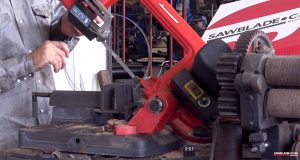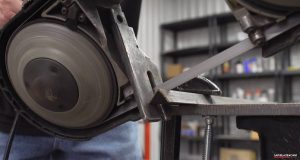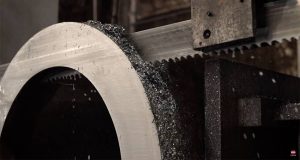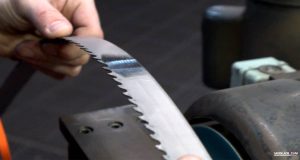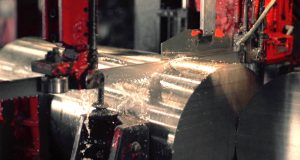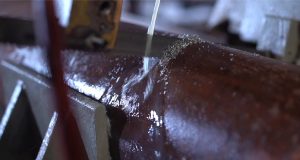
Every day, shops that cut mixed materials have to deal with the issue that no two projects act the same. Mild steel tube could be the first cut, followed by stainless flat bar, alloy rounds, angle iron, or a tiny bundle of mixed material. In that situation, the most aggressive or costly bi-metal bandsaw blade is not usually the ideal choice for stores cutting mixed materials. It is the blade that produces reliable results on a variety of materials without requiring frequent blade replacements. A competent mixed-material blade must have sufficient chip clearance for tubing and profiles, sufficient tooth strength for harder stock, and sufficient endurance to withstand varying feed pressure, interrupted cuts, and a variety of shop tasks.
Common Problems When Cutting Mixed Materials
- Frequent blade changes slow down production
- One blade may cut mild steel well but struggle with stainless or alloy steel
- Tooth pitch may be wrong for changing wall thicknesses and solid stock
- Chip load can vary from one material to the next
- Heat buildup can shorten blade longevity
- Structural shapes can create vibration and uneven tooth engagement
- Bundled materials can restrict chip clearance
- Operators may use the same speed and feed settings for jobs that need different setup choices
Why a Bi-Metal Bandsaw Blade Makes Sense
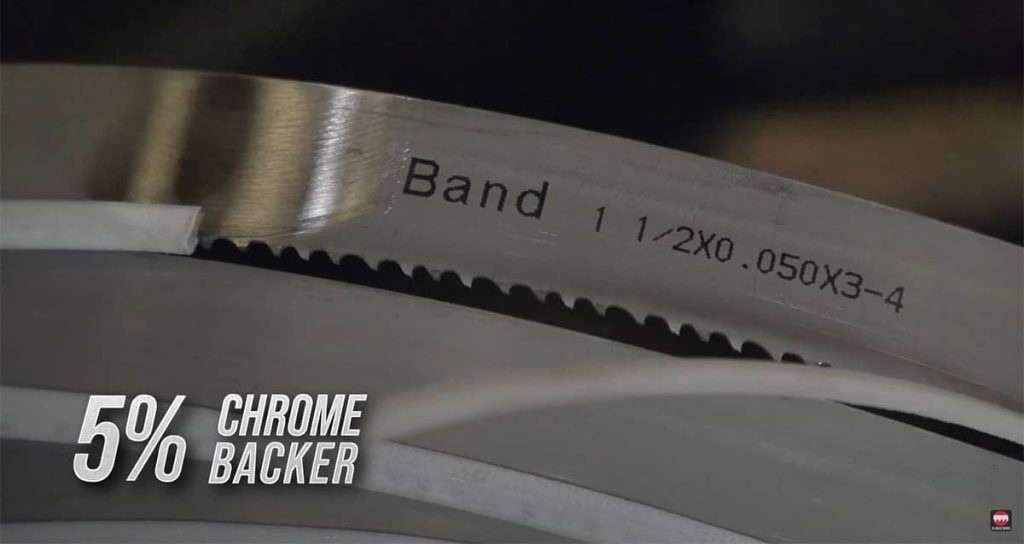
For shops cutting mixed materials, a bi-metal bandsaw blade is frequently the ideal option since it provides a good balance between cost, performance, and versatility. A bi-metal blade, in contrast to a simple carbon blade, has a stronger cutting edge that is welded to a flexible alloy backer. This allows the blade to handle harder metals and frequent bending around the saw wheels. This balance is more important than maximum cutting speed for the majority of fabrication shops, maintenance departments, and small production environments. Without the need for a specialist blade for every task, a well-chosen bi-metal bandsaw blade may cut carbon steel, stainless steel, alloy steel, tube, pipe, and several structural shapes.
Quick Check
What is the main advantage of M42 cobalt teeth over standard bi-metal blades in mixed-material cutting?
What Makes the QSaw 601 a Strong All-Purpose Option
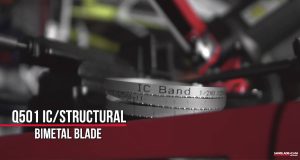
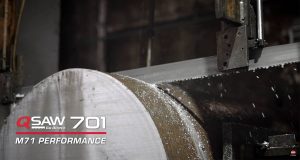
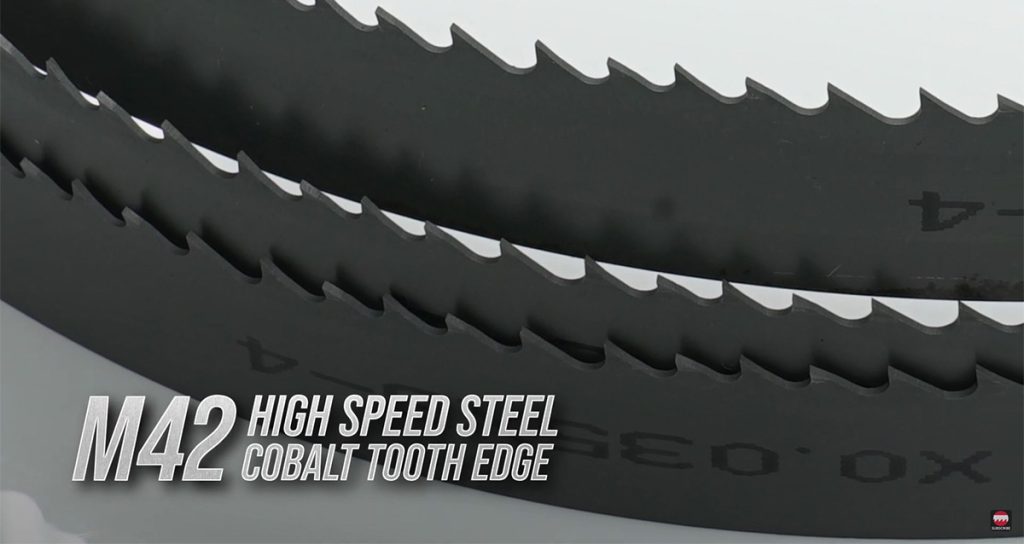
One excellent example of a blade designed for cutting mixed materials is the QSaw 601 M42 bi-metal bandsaw blade. Its flexible backer helps it withstand daily shop stress, and its M42 cobalt high-speed steel tooth edge provides it superior heat and wear resistance compared to lower-grade blades. The blade is helpful when the material mix changes frequently because it is made for general-purpose metal cutting. When the proper tooth pitch and machine settings are applied, the QSaw 601 may operate on a variety of common shop materials, including mild steel, stainless steel, alloy steel, pipe, tubing, solids, and light structural profiles.
Mixed-Material Blade Selection Guide
| Cutting Situation | Recommended Blade Feature | Why It Helps |
|---|---|---|
| Mild steel solids | M42 bi-metal tooth edge | Provides dependable cutting without excessive blade cost |
| Stainless steel tubing | Controlled tooth pitch and coolant use | Helps reduce heat and work hardening |
| Alloy steel rounds | Wear-resistant cobalt tooth edge | Holds up better under harder cutting conditions |
| Structural shapes | Variable tooth pattern | Helps reduce vibration and uneven engagement |
| Mixed bundles | Proper gullet capacity | Allows chips to clear more effectively |
| Thin-wall tubing | Higher tooth count | Reduces tooth grabbing and rough entry |
| Thick solids | Lower tooth count | Gives chips more room to form and clear |
| General shop work | All-purpose bi-metal construction | Reduces the need for frequent blade swaps |
The Role of M42 Cobalt Teeth in Mixed Cutting
One of the key factors contributing to a high-quality bi-metal bandsaw blade’s success in shops cutting mixed materials is its M42 cobalt teeth. When switching from softer carbon steel to more durable stainless or alloy materials, the cobalt content helps the tooth edge withstand heat and wear. Practically speaking, this means that when the operator utilizes the right speed, feed, and coolant, the blade can maintain its edge longer than a simple blade. M42 gives the blade a greater operating range and is more forgiving in shops where material types change during the day, but it does not substitute solid setup habits.
Find the Right Blade for Your Shop at SawBlade.com
Not every shop cuts the same materials, and not every blade is built for the same job. At SawBlade.com, you can browse a full selection of bi-metal bandsaw blades matched to your material, machine, and cutting conditions. Stop guessing and start cutting with the right blade for your setup.
Quick Check
How many teeth per inch (TPI) is typically recommended for cutting thin-wall tubing? Drag to answer.
Signs Your Current Blade Is Not Handling Mixed Materials Well
- Teeth are dulling too quickly on harder metals
- Cuts are drifting even after checking tension and guides
- The blade sounds rough or chatters in structural material
- Chips are powdery, blue, or packed into the gullets
- The cut surface looks torn instead of clean
- Tubing catches or grabs at the blade entry point
- Stainless steel starts to glaze or work harden during the cut
- Operators are slowing production because the blade no longer feels predictable
Matching Tooth Pitch to the Material Mix
Even the best bi-metal bandsaw blade for shops cutting mixed materials will perform poorly if the tooth pitch is wrong. Tooth pitch controls how many teeth are engaged in the material and how much room the gullets have to carry chips away. Thin tubing usually needs more teeth in the cut to avoid snagging, while thick solid stock needs fewer teeth and deeper gullets to clear heavier chips. For mixed-material shops, variable pitch blades are often a smart choice because they help bridge the gap between different shapes and sizes. They also reduce vibration when cutting structural shapes, which can improve accuracy and reduce tooth damage.
Best Practices for Getting Better Results from a Bi-Metal Blade
- Break in a new blade at reduced feed pressure before running full production cuts
- Choose tooth pitch based on the smallest and largest cross-sections you cut most often
- Use coolant consistently when cutting steel, stainless, and alloy materials
- Adjust blade speed when moving from mild steel to harder or heat-sensitive materials
- Watch chip shape and color during the first few inches of the cut
- Keep blade guides close to the workpiece for better support
- Avoid forcing the feed rate when cutting stainless or tool steel
- Clean chips from the vise and cutting area between jobs
Quick Check
A bi-metal bandsaw blade can cut stainless steel, alloy steel, and mild steel without any changes to speed or feed settings.
Do You Also Work With Case Hardened Steel?
If your shop cuts case hardened steel on top of your regular material mix, blade selection becomes even more critical. Find out which blades actually hold up on this type of steel and why in our dedicated article: Best Bandsaw Blade for Case Hardened Steel: What Actually Works and Why.
Why Cost Per Cut Matters More Than Blade Price
Shops frequently highlight a blade’s purchasing price, but cost per cut is a more accurate metric. Over time, a less expensive blade that breaks easily, cuts slowly, or needs to be replaced frequently may end up costing more than a more robust bi-metal bandsaw blade. By decreasing blade changes, increasing cut consistency, and assisting operators in switching between materials with fewer setup issues, the appropriate blade saves time. Predictable performance is important for shops that cut mixed materials. Because it is made to handle a wide variety of common shop materials while maintaining consistent cutting performance, a blade like the QSaw 601 can be a sensible option.
When to Choose a More Specialized Blade Instead
- You cut only hardened tool steel all day
- You are cutting large stainless solids in production quantities
- You need maximum speed on one specific material
- You cut abrasive alloys that wear standard bi-metal teeth too quickly
- Your machine is set up for heavy production on one repeated part
- You are cutting very large bundles with restricted chip clearance
- You need carbide performance for very hard or abrasive stock
- Your current bi-metal blade is failing even with correct speed, feed, coolant, and tooth pitch
A Smart Blade Choice for Everyday Shop Cutting
Finding the ideal blade for a single, specific task is not the aim for stores that cut a variety of materials. Selecting a bi-metal bandsaw blade that works reliably with the materials your shop really cuts each week is a better objective. Because it combines a cobalt tooth edge, a sturdy backer, all-purpose cutting behavior, and useful adaptability for common shop metals, the QSaw 601 M42 bi-metal bandsaw blade is a good choice for that job. It provides mixed-material shops with a reliable method of cutting more effectively with fewer interruptions when combined with the appropriate tooth pitch, coolant, speed, and consistent feed pressure.