Understanding Copper Alloy Tubes and Their Industrial Value
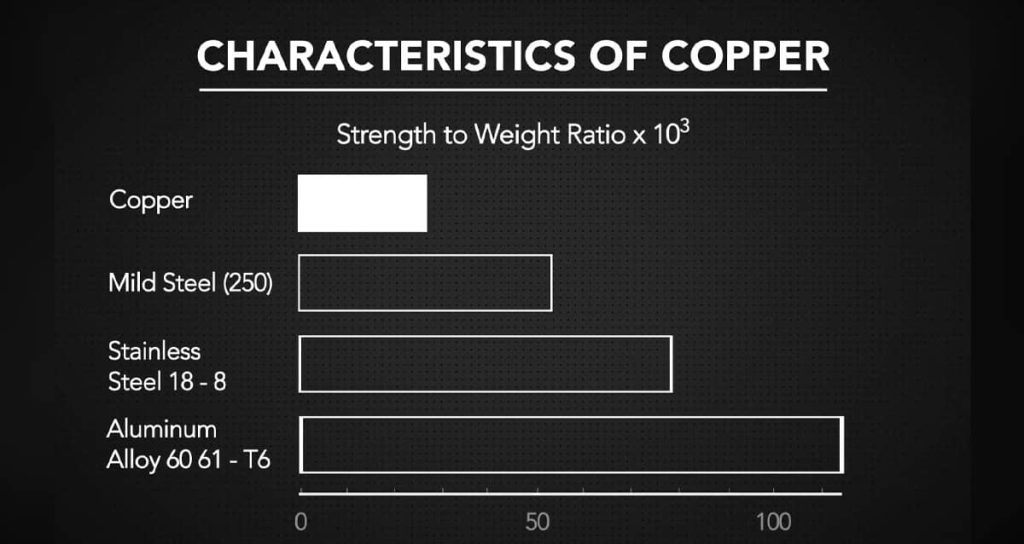
Copper alloy tubes represent one of the most versatile material categories in modern manufacturing and construction. Pure copper, while excellent for electrical conductivity, has a relatively poor strength-to-weight ratio that limits its structural applications. By combining copper with other elements like zinc, tin, or nickel, manufacturers create tubes that retain copper’s beneficial characteristics while adding strength, corrosion resistance, and durability. These tubes serve industries ranging from HVAC and plumbing to marine engineering and electronics manufacturing. Understanding the specific properties of each copper alloy type helps fabricators and engineers select the right material for their projects and apply appropriate cutting techniques that preserve tube integrity.
Common Types of Copper Alloy Tubes
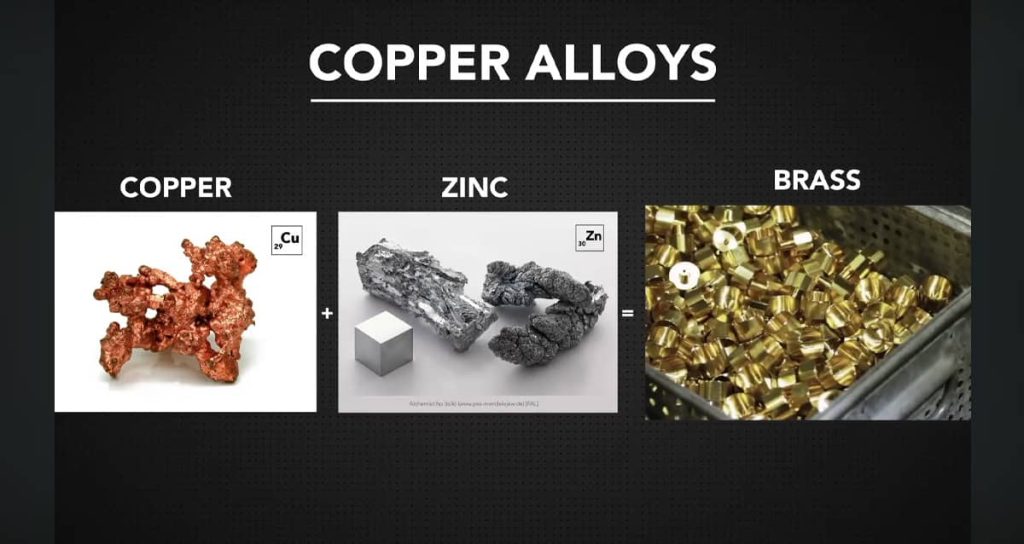
- Brass tubes (copper and zinc) offer an excellent balance of conductivity and mechanical strength, making them popular for decorative applications, musical instruments, and plumbing fixtures
- Bronze tubes (copper and tin) provide superior wear resistance and are frequently specified for ship components, pump parts, and heavy-duty pipe fittings
- Copper-nickel tubes (cupronickel) deliver exceptional resistance to saltwater corrosion and are standard in marine condensers and desalination equipment
- Phosphor bronze tubes contain small amounts of phosphorus that improve fatigue resistance, ideal for springs and electrical connectors
- Aluminum bronze tubes combine high strength with excellent corrosion resistance for demanding applications in chemical processing
- Beryllium copper tubes offer the highest strength among copper alloys and are used where non-sparking properties matter, such as in oil and gas facilities
How Brass Tubes Perform in Industrial Settings
Brass tubes stand out as the most widely used copper alloy tubing in commercial applications. The zinc content in brass typically ranges from 5% to 45%, with higher zinc percentages creating harder, more rigid tubes. Common brass formulations like C26000 (cartridge brass) contain approximately 70% copper and 30% zinc, delivering good cold working properties and moderate strength. Fabricators appreciate brass tubes for their machinability, which rates significantly better than pure copper. When cutting brass tubing, operators notice cleaner chip formation and less tool wear compared to working with softer copper materials. The golden color of brass also makes it a preferred choice for architectural and decorative installations where appearance matters.
Quick Check
Which copper alloy delivers the highest tensile strength and is used where non-sparking properties are required?
Bronze Tube Characteristics for Heavy-Duty Applications
Bronze tubes earn their reputation in applications where strength and resistance to wear matter most. The addition of tin to copper creates an alloy that withstands friction, pressure, and corrosive environments far better than brass or pure copper. Phosphor bronze (C51000) contains about 5% tin and a small percentage of phosphorus, resulting in tubes with excellent spring qualities and fatigue endurance. Aluminum bronze varieties push tensile strength even higher, sometimes exceeding 90,000 psi in heat-treated conditions. Marine engineers specify bronze tubes for seawater piping systems, propeller shafts, and underwater hardware because the material resists both erosion and biofouling. When fabricating bronze tubes, expect increased cutting forces compared to brass, and plan for carbide tooling to maintain edge life.
Copper Alloy Tube Specifications at a Glance
| Alloy Type | Copper Content | Key Alloying Element | Tensile Strength (psi) | Primary Applications |
| Red Brass C23000 | 85% | Zinc 15% | 40,000 to 55,000 | Plumbing, heat exchangers |
| Yellow Brass C27000 | 65% | Zinc 35% | 45,000 to 60,000 | Architectural, hardware |
| Phosphor Bronze C51000 | 95% | Tin 5% | 55,000 to 80,000 | Springs, electrical contacts |
| Aluminum Bronze C61400 | 91% | Aluminum 7% | 75,000 to 95,000 | Marine hardware, valves |
| Copper-Nickel C70600 | 90% | Nickel 10% | 45,000 to 60,000 | Seawater systems, condensers |
| Beryllium Copper C17200 | 98% | Beryllium 2% | 100,000 to 200,000 | Aerospace, non-sparking tools |
Thermal and Electrical Properties That Affect Cutting
Copper alloys retain much of pure copper’s thermal conductivity, which directly impacts how these materials behave during cutting operations. Heat generated at the cutting edge dissipates quickly through the tube wall, reducing the risk of localized overheating but also making it harder to achieve consistent cuts on older or worn equipment. Brass and bronze tubes typically have thermal conductivity values between 60 and 120 W/m·K, compared to pure copper’s 400 W/m·K. This reduced conductivity actually benefits fabricators by keeping more heat at the cut zone, improving chip formation without excessive tool temperatures. Electricians and HVAC technicians working with copper alloy tubes should also consider that alloying reduces electrical conductivity by 20% to 70% depending on the specific formulation, which matters when tubes serve dual purposes as conductors and structural elements.
Quick Check
Cutting lubricants containing silicone are safe to use on copper alloy tubes destined for soldering or brazing.
Selecting the Right Saw Blade for Copper Alloy Tubes
- Carbide-tipped circular saw blades with 80 to 100 teeth work well for clean cuts on brass and bronze tubes up to 3 inches in diameter
- High positive rake angles between 10 and 15 degrees help reduce cutting pressure and minimize burr formation on softer alloys
- Triple chip grind (TCG) tooth geometry performs reliably across most copper alloy compositions
- Blade speeds between 3,000 and 5,000 surface feet per minute suit most brass cutting applications
- Thinner kerf blades reduce material waste and require less motor power on portable saws
- Wax-based cutting lubricants prevent chip welding without contaminating the tube surface
Feed Rates and Speed Settings for Quality Cuts
Getting feed rates right when cutting copper alloy tubes requires balancing productivity against surface finish quality. Too slow a feed rate causes the blade to rub rather than cut, generating excess heat and creating a burnished surface that may need secondary finishing. Too fast a feed rate overloads the blade teeth, leading to rough cuts and shortened blade life. For brass tubes in the 1 to 2 inch diameter range, experienced fabricators typically start with feed rates around 4 to 6 inches per minute on band saws and adjust based on chip appearance. Ideal chips should form small, consistent curls rather than powder or large chunks. Bronze alloys require slower feeds and more aggressive tooth pitch because of their higher hardness. Monitoring amp draw on the saw motor provides real-time feedback about whether the feed rate matches the material being cut.
ALSO WORTH READING
Learn More About Superalloys
If you want to dive deeper into the world of high-performance metals, our companion article offers a comprehensive overview of superalloys. You will learn what defines these remarkable materials, explore the different types available, and discover how industries rely on them for demanding applications. It is a great starting point for anyone looking to understand the basics before exploring more specialized topics.
Common Challenges When Cutting Copper Alloy Tubes
- Burr formation on the inside diameter creates fit problems for inserted fittings and requires secondary deburring operations
- Work hardening near the cut zone can occur with excessive heat or dull blades, complicating subsequent machining
- Thin-wall tubes tend to deform or collapse under clamping pressure if fixtures lack proper support
- Chip buildup on blade teeth causes poor surface finish and accelerated wear on carbide tips
- Cutting fluids may discolor certain alloys, requiring testing before production runs
- Out-of-round tubes create inconsistent cuts and may need centering fixtures for accurate results
Quick Check
What is the recommended minimum positive rake angle (in degrees) for cutting copper alloy tubes to reduce cutting pressure? Drag to answer.

Surface Finish Considerations After Cutting
Surface finish on cut copper alloy tubes affects both function and appearance in final assemblies. HVAC brazed joints require clean, oxide-free surfaces for proper filler metal flow, while architectural applications demand cosmetically perfect edges. Most carbide-tipped saw cuts on brass and bronze leave surface finishes between 63 and 125 microinches Ra, suitable for many industrial purposes without secondary operations. When tighter finishes are needed, light sanding with 220-grit aluminum oxide removes minor saw marks without affecting dimensional accuracy. For tubes destined for soldering or brazing, fabricators should avoid cutting lubricants containing silicone, which interferes with flux wetting. Storing cut tubes in dry conditions prevents surface oxidation that makes copper alloys harder to join cleanly.
Best Practices for Industrial Tube Cutting Operations
- Inspect incoming tube stock for dents, out-of-round conditions, and surface defects before cutting
- Secure tubes firmly with V-block fixtures or collets designed for round stock
- Allow new blades to break in gradually with reduced feed rates for the first 50 cuts
- Clear chips frequently to prevent re-cutting and surface damage
- Measure sample cuts with calipers to verify length accuracy before running production quantities
- Rotate tube stock 180 degrees between cuts on miter saws to average out any fixture misalignment
- Document successful speed, feed, and blade combinations for each alloy type to build institutional knowledge
Moving Forward with Copper Alloy Tube Fabrication
Copper alloy tubes continue to serve essential roles in plumbing, HVAC, marine, and electrical industries because they deliver properties that pure copper or other metals cannot match alone. Brass brings workability and corrosion resistance to everyday applications. Bronze handles demanding conditions where strength and wear resistance determine service life. Copper-nickel alloys protect against saltwater environments that would destroy ordinary materials. Success in fabricating these tubes depends on matching the right cutting equipment, blade selection, and operating parameters to each specific alloy composition. Fabricators who invest time in understanding material differences and optimizing their cutting processes produce cleaner parts, extend tooling life, and reduce scrap rates. Whether working with thin-wall brass for refrigeration or thick-wall aluminum bronze for marine valves, proper technique transforms raw tube stock into precision components ready for assembly.