
Understanding Exotic Materials and Why They Matter
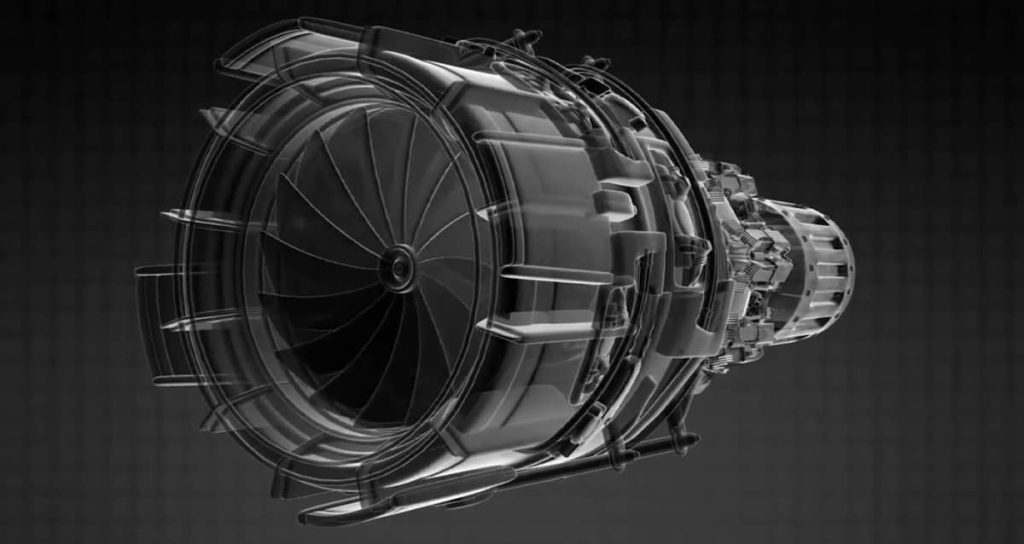
When standard metals simply cannot handle the job, engineers and manufacturers turn to exotic materials. These specialized alloys and compounds have become essential across industries where extreme temperatures, corrosive environments, and intense mechanical stress push conventional materials past their limits. From the turbine blades inside jet engines to the drilling equipment on offshore oil platforms, exotic materials solve problems that aluminum, standard steel, and other common metals cannot address. This guide breaks down the terminology, applications, and practical considerations you need to know when working with or specifying exotic materials for demanding projects.
Common Types of Exotic Materials Used in Industry
- Titanium alloys, known for excellent strength-to-weight ratios and natural corrosion resistance
- Nickel-based superalloys like Inconel, which maintain structural integrity at temperatures exceeding 1,000 degrees Celsius
- Cobalt-chromium alloys, frequently used in medical implants and high-wear applications
- Tungsten and tungsten carbide, valued for extreme hardness and heat tolerance
- Rhenium and rhenium alloys, often found in rocket nozzles and high-temperature turbine components
- Zirconium alloys, preferred in nuclear applications due to low neutron absorption
- Molybdenum and its alloys, used in furnace components and aerospace structural parts
Why Standard Metals Fall Short in Extreme Conditions
Conventional metals like carbon steel, aluminum, and even stainless steel have temperature and stress thresholds that make them unsuitable for certain applications. Carbon steel begins losing significant strength above 400 degrees Celsius, while aluminum alloys soften at even lower temperatures. In corrosive environments, such as offshore platforms exposed to salt spray and petrochemical compounds, standard materials degrade quickly and require frequent replacement. Exotic materials fill this gap by combining properties that rarely coexist in conventional metals: high tensile strength, low thermal expansion, exceptional heat resistance, and superior corrosion protection all in a single alloy composition.
Quick Check
Which property describes a material’s ability to resist slow deformation under constant stress at high temperatures?
Key Properties That Define Exotic Materials
The characteristics that separate exotic materials from standard options come down to performance under stress. Heat resistance allows components to function reliably at temperatures where other metals would soften or fail. Corrosion resistance means these materials can operate in chemically aggressive environments without protective coatings. The strength-to-weight ratio becomes particularly important in aerospace applications, where every gram affects fuel efficiency and payload capacity. Creep resistance, which describes a material’s ability to resist deformation under sustained loads at high temperatures, determines whether a turbine blade maintains its precise shape after thousands of operating hours.
Essential Exotic Materials Terminology
| Term | Definition | Practical Example |
| Superalloy | Metal alloy designed to withstand extreme heat and stress | Inconel 718 used in jet engine combustion chambers |
| Refractory Metal | Metals with melting points above 2,000 degrees Celsius | Tungsten filaments in high-temperature furnaces |
| Creep Resistance | Ability to resist slow deformation under constant stress | Turbine blades maintaining shape during operation |
| Precipitation Hardening | Heat treatment that increases strength through fine particle formation | Age-hardened titanium alloys for aircraft frames |
| Oxidation Resistance | Capacity to resist chemical reaction with oxygen at high temperatures | Chromium-rich alloys in exhaust systems |
| Thermal Expansion Coefficient | Rate at which material dimensions change with temperature | Low-expansion alloys in precision instruments |
| Hot Corrosion | Accelerated attack on metals in high-temperature combustion environments | Sulfur-induced damage in gas turbines |
Aerospace Applications for Exotic Materials
The aerospace sector remains the largest consumer of exotic materials, and the reasons are straightforward. Jet engines operate at internal temperatures that would melt conventional steel, requiring nickel and cobalt-based superalloys for turbine blades, combustion liners, and exhaust components. Titanium alloys make up significant portions of airframe structures because they deliver steel-like strength at roughly 45 percent of the weight. The landing gear, hydraulic systems, and fasteners throughout modern aircraft rely on specialized alloys that can handle repeated stress cycles without fatigue failure. Even the external skin panels on supersonic aircraft require exotic materials that maintain dimensional stability despite rapid temperature changes during flight.
Quick Check
Titanium alloys are used in aerospace structures primarily because they are cheaper than carbon steel.
Industrial and Energy Sector Uses
- Nuclear power plants use zirconium alloys for fuel rod cladding because of low neutron absorption rates
- Gas turbine generators in power plants require superalloy blades similar to those in jet engines
- Chemical processing facilities specify Hastelloy and other nickel alloys for reactors handling corrosive compounds
- Offshore oil and gas platforms rely on duplex stainless steels and nickel alloys for structural and piping components
- Glass manufacturing uses molybdenum electrodes that withstand molten glass temperatures
- Semiconductor fabrication requires high-purity tungsten and tantalum for specific process steps
Challenges When Working with Exotic Materials
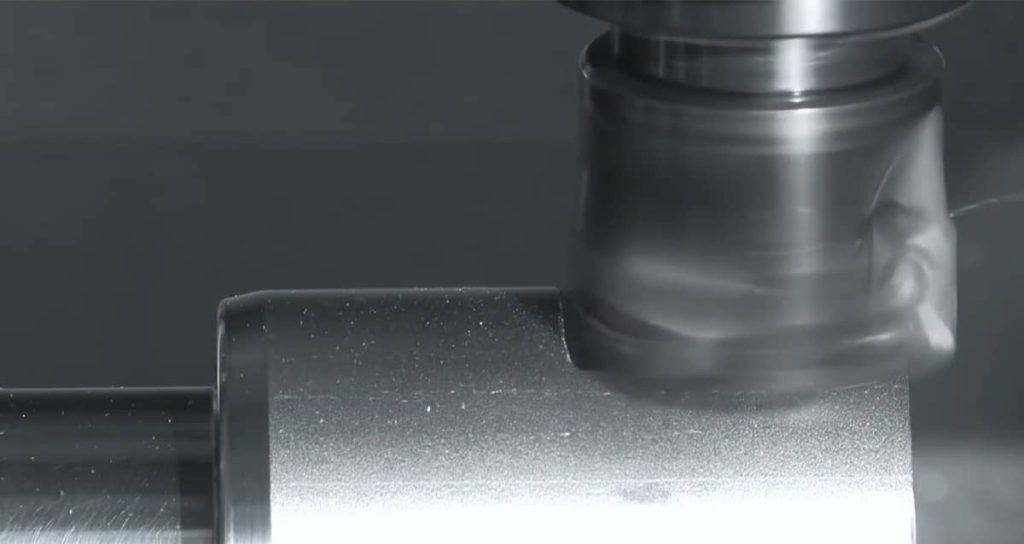
Machining exotic materials presents significant difficulties compared to working with conventional metals. The same properties that make these alloys valuable, such as hardness and heat resistance, also make them tough on cutting tools and machining equipment. Titanium, for instance, has low thermal conductivity, which causes heat to concentrate at the cutting edge rather than dissipating into the workpiece or chips. Nickel superalloys work-harden rapidly, meaning each pass with a cutting tool makes subsequent passes more difficult. These challenges require specialized tooling, adjusted feeds and speeds, and often the use of high-pressure coolant systems to achieve acceptable results without damaging either the material or the equipment.
Quick Check
At approximately what temperature (°C) does carbon steel begin losing significant strength? Drag to answer.
ALSO WORTH READING
Cutting Stainless Steel? You’ll Want the Right Blade
If you work with stainless steel regularly, you know how quickly the wrong blade can dull or fail. Choosing a blade that matches the demands of this tough material makes all the difference in cut quality and blade life. For a closer look at whether M42 bandsaw blades from are up to the task, check out our full article on the topic.
Factors to Consider Before Specifying Exotic Materials
- Material cost, which can range from 10 to 100 times higher than standard alternatives
- Availability and lead times, since many exotic alloys require custom melting and processing
- Joining methods, as welding exotic materials often demands specialized procedures and filler metals
- Post-processing requirements, including heat treatments that can add weeks to production schedules
- Testing and certification needs for applications in regulated industries
- Long-term supply chain stability for ongoing production programs
- Recyclability and scrap value at end of product life

Sourcing and Supply Chain Considerations
Finding reliable suppliers for exotic materials requires more due diligence than ordering standard metals from a service center. Many superalloys and specialty metals come from a limited number of primary producers, and material certifications must trace back through the entire processing chain. Counterfeit and substandard materials have become a documented problem in aerospace and medical supply chains, making vendor qualification and incoming inspection essential steps. Lead times for custom compositions can stretch to six months or longer, particularly for large forgings or castings that require dedicated furnace runs. Building relationships with established suppliers and maintaining safety stock of long-lead materials helps prevent production delays.
Steps to Get Started with Exotic Materials
- Identify the specific performance requirements your application demands, including temperature range, mechanical loads, and environmental exposure
- Consult material databases and published specifications to narrow down candidate alloys
- Request samples or test coupons to verify material behavior under your actual operating conditions
- Connect with experienced fabricators who have documented success working with your chosen materials
- Establish quality control protocols appropriate for the criticality of your application
- Plan for longer procurement cycles and higher costs compared to conventional material projects
- Document lessons learned from initial projects to improve future exotic material specifications
Moving Forward with Exotic Materials in Your Projects
Working with exotic materials opens up possibilities that conventional metals simply cannot deliver, but success requires careful planning and realistic expectations. Start by clearly defining what standard materials cannot accomplish in your application, then match those requirements to specific exotic alloys with proven track records in similar uses. Build extra time and budget into your project plans to account for the longer lead times and specialized processing these materials demand. Connect with industry groups and technical societies focused on high-performance materials to stay current on new alloy developments and processing improvements. With the right preparation and partners, exotic materials can solve engineering problems that once seemed impossible.