Understanding Carbon Steel and Why It Matters
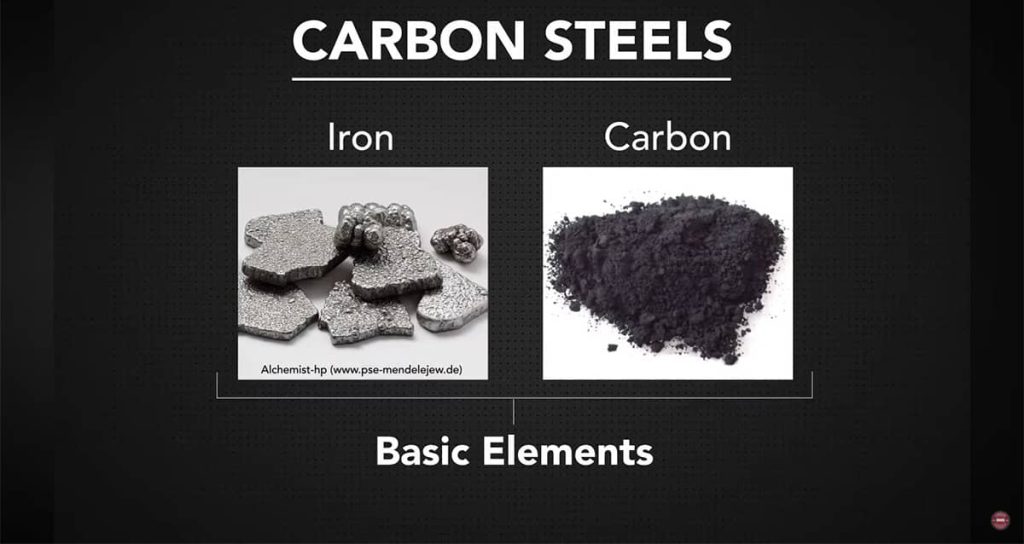
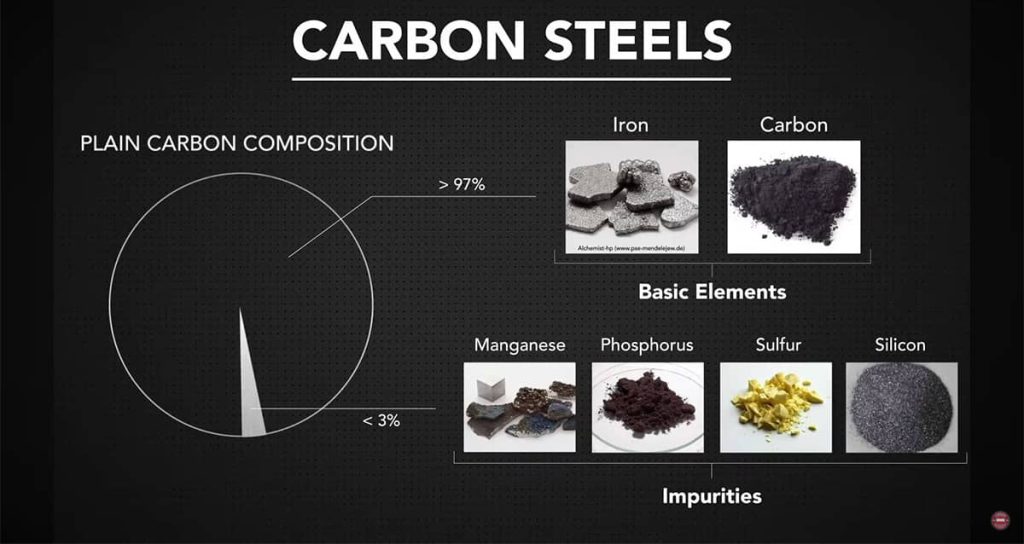
Carbon steel remains the backbone of modern manufacturing, accounting for over 75% of all steel produced globally. At its core, this material is a straightforward combination of iron and carbon, though small amounts of manganese, phosphorus, sulfur, and silicon are typically present as residual elements. What makes carbon steel so versatile is how dramatically its properties shift with even minor changes in carbon content. A difference of just 0.01% in carbon can alter the hardness, strength, and workability of the final product. Whether you are fabricating structural components, crafting hand tools, or cutting sheet metal for industrial applications, understanding the four main types of carbon steel will help you select the right grade and cut it efficiently.
Key Elements Found in Carbon Steel
- Iron serves as the primary base metal, typically making up 97% or more of the composition
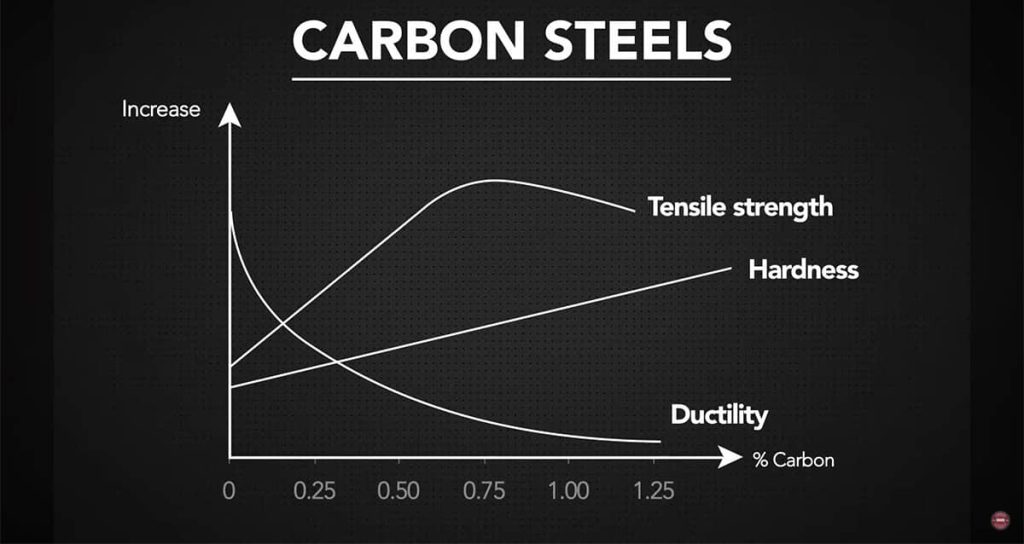
- Carbon ranges from 0.05% to over 1.5%, directly influencing hardness and strength
- Manganese improves tensile strength and is usually present between 0.30% and 0.90%
- Silicon acts as a deoxidizer and typically exists at levels below 0.40%
- Phosphorus and sulfur are kept below 0.04% each to prevent brittleness
- Plain carbon steel contains less than 3% total elements beyond iron and carbon
Low Carbon Steel: Soft, Weldable, and Affordable
Low carbon steel contains less than 0.30% carbon, making it the softest and most ductile of the four main types. This grade is remarkably easy to form, bend, and weld, which explains its popularity in automotive body panels, construction framing, wire products, and general sheet metal work. Machinists appreciate low carbon steel because it produces clean cuts without excessive tool wear. However, because of its relatively soft nature, this type does not hold up well under high stress or abrasive conditions. When cutting low carbon steel, standard high speed steel blades work effectively, and plasma cutting produces smooth edges with minimal cleanup required.
Quick Check
According to the AISI SAE system, what does the steel designation 1045 tell you?
Medium Carbon Steel: The Balanced Performer
Medium carbon steel sits in the 0.30% to 0.50% carbon range, offering a practical balance between strength and workability. This type responds well to heat treatment, allowing fabricators to increase surface hardness while maintaining a tougher core. You will commonly find medium carbon steel in axles, gears, crankshafts, railway tracks, and heavy duty machinery components. The increased carbon content means this steel is harder to weld than low carbon grades, often requiring preheating and controlled cooling to prevent cracking. Cutting medium carbon steel demands sharper tooling and slightly reduced feed rates compared to its softer counterpart, but experienced fabricators find it predictable and forgiving to work with.
Carbon Steel Classification at a Glance
| Type | Carbon Content | Hardness Level | Weldability | Common Applications |
| Low Carbon Steel | Less than 0.30% | Soft | Excellent | Sheet metal, wire, automotive panels, pipes |
| Medium Carbon Steel | 0.30% to 0.50% | Moderate | Good with preheat | Gears, axles, railway components, machinery |
| High Carbon Steel | 0.50% to 1.00% | Hard | Difficult | Cutting tools, springs, knives, saw blades |
| Ultra High Carbon Steel | 1.00% to 1.50% | Very Hard | Poor | Specialty punches, dies, industrial blades |
High Carbon Steel: Hard, Strong, and Demanding
High carbon steel ranges from 0.50% to 1.00% carbon content, producing a material known for exceptional hardness and wear resistance. Knife makers, spring manufacturers, and cutting tool producers favor this grade because it holds a sharp edge and resists deformation under stress. The tradeoff is reduced ductility and significantly more challenging weldability. When fabricating high carbon steel, expect to deal with increased brittleness and a tendency to crack if not handled properly. Heat treatment becomes essential for achieving optimal performance, and welders typically need specialized electrodes along with strict temperature control to avoid failures in the heat affected zone.
Quick Check
High carbon steel can be welded using the same technique as low carbon steel without any special precautions.
Properties That Set High Carbon Steel Apart
- Superior edge retention makes it ideal for blades, chisels, and punching tools
- Excellent wear resistance extends service life in abrasive environments
- High tensile strength supports demanding mechanical applications
- Responds exceptionally well to quenching and tempering processes
- Brittle nature requires careful handling during forming operations
- Prone to cracking if welded without proper preheating and post weld treatment
Ultra High Carbon Steel: Specialty Applications Only
Ultra high carbon steel contains between 1.00% and 1.50% carbon, pushing hardness to extreme levels while sacrificing nearly all flexibility. This specialized material finds its place in industrial dies, high performance punches, and specific cutting applications where maximum wear resistance matters more than any other property. Working with ultra high carbon steel requires patience and precision. The material is prone to cracking under impact, and welding is generally avoided altogether. Most fabricators treat this grade as a finished or near finished product, relying on grinding and careful machining rather than extensive forming or joining operations.
ALSO WORTH READING
Dive Deeper into Exotic Materials
If you found this topic interesting, you might want to explore our companion piece on exotic materials. It covers the essential terminology, walks you through practical applications, and offers clear guidance on where to go from here. Whether you are just getting started or looking to expand your knowledge, it provides a solid foundation for understanding this fascinating field.
Practical Tips for Cutting Low and Medium Carbon Steel
- Use high speed steel or carbide tipped blades for clean, efficient cuts
- Maintain steady feed rates to prevent work hardening at the cut surface
- Apply cutting fluid or coolant to extend blade life and improve surface finish
- Band saws with variable speed settings give you flexibility across different thicknesses
- Plasma cutting works exceptionally well for sheet and plate up to one inch thick
- Deburring immediately after cutting prevents sharp edges from causing handling injuries
- Check blade tooth count based on material thickness for optimal chip removal
The AISI SAE Numbering System Explained
The American Iron and Steel Institute and the Society of Automotive Engineers developed a four digit system that tells you exactly what is inside a piece of carbon steel. The first digit indicates the primary alloy type, with 1 signifying plain carbon steel. The second digit reveals whether any additional elements have been intentionally added, with 0 meaning none. The final two digits represent the carbon percentage in hundredths. For instance, 1045 steel is a plain carbon steel with no added alloying elements and 0.45% carbon content. This standardized labeling system simplifies material selection and ensures consistency across suppliers, making it easier to match the right steel to your specific application requirements.
Quick Check
What is the maximum carbon content (%) for low carbon steel? Drag to answer.
Best Practices for Cutting High Carbon Steel
- Reduce cutting speed by 20% to 30% compared to low carbon grades
- Carbide tooling outperforms high speed steel and lasts significantly longer
- Flood coolant is strongly recommended to manage heat buildup at the cutting edge
- Avoid interrupted cuts when possible to reduce shock loading on brittle material
- Annealing before cutting softens the steel and makes machining more predictable
- Replace blades at the first sign of wear to maintain cut quality and dimensional accuracy
- Secure the workpiece firmly to eliminate vibration that could cause chipping or cracking
Matching Carbon Steel to Your Project Needs
Selecting the right type of carbon steel comes down to understanding what your finished part needs to accomplish. If you need easy forming and reliable welds, low carbon steel delivers without complications. Projects requiring moderate strength and the option for heat treatment point toward medium carbon grades. When maximum hardness and edge retention matter most, high and ultra high carbon steels are worth the extra effort they demand. Keep the AISI SAE numbering system in mind when ordering materials, and always factor in your cutting and joining methods before committing to a specific grade. With the right match between material and application, carbon steel performs reliably across an impressive range of industrial and fabrication settings.
Putting Your Carbon Steel Knowledge to Work
Carbon steel continues to dominate manufacturing because of its accessibility, predictable behavior, and range of mechanical properties. From soft, formable low carbon sheet to wear resistant high carbon tooling, each type serves a specific purpose in the shop. Understanding the differences between these four classifications helps you make smarter material choices, select appropriate cutting parameters, and avoid costly mistakes during fabrication. Whether you are cutting a few pieces on a band saw or running high volume production on a CNC plasma table, the fundamentals remain the same. Match your carbon steel grade to the application, adjust your tooling and speeds accordingly, and you will achieve consistent results every time.