The Go-To Blade for Versatile Metal Fabrication
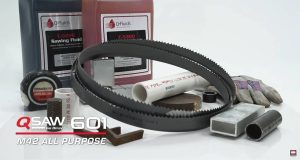
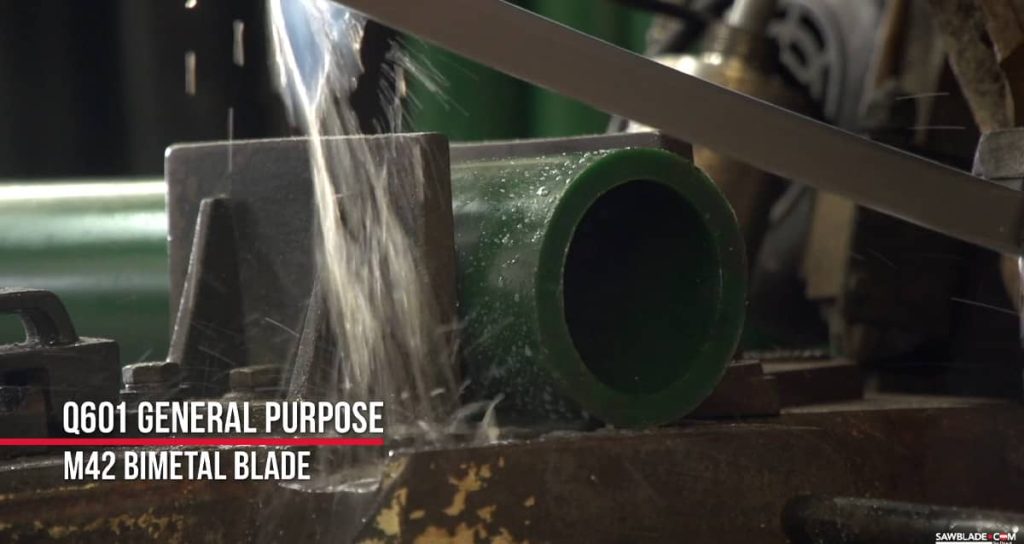
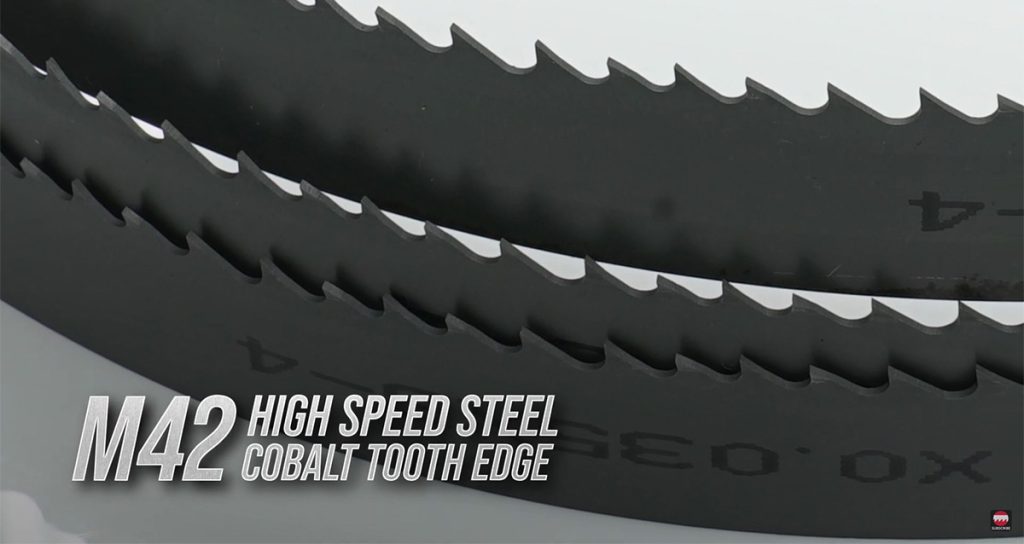
When fabricators need a blade that can handle multiple materials without constant changeovers, M42 blades consistently rise to the top of the list. These high-speed steel blades contain about 8 percent cobalt content, which gives them exceptional heat resistance and edge retention compared to standard bi-metal options. For shops cutting everything from mild steel to stainless on the same bandsaw, M42 blades offer the kind of reliability that keeps production moving. A job shop in Houston recently faced this exact scenario, needing one blade type that could transition between high carbon steel, stainless steel, alloy steel, and structural steel throughout a typical workday. Their switch to M42 blades reduced blade inventory complexity while improving cut consistency across all materials.
Key Properties That Make M42 Blades Stand Out
- Cobalt content of 8 percent provides superior red hardness up to 1100 degrees Fahrenheit
- Rockwell hardness rating typically between 67 and 69 HRC on the cutting edge
- Enhanced wear resistance extends blade life by 30 to 50 percent compared to standard bi-metal blades
- Excellent fatigue resistance reduces tooth strippage during interrupted cuts
- Maintains sharp cutting edge longer when processing work-hardening materials like stainless steel
- Suitable for cutting materials up to 35 HRC without specialized tooling
Understanding Why Heat Resistance Matters in Production Cutting
The 8 percent cobalt composition in M42 blades directly addresses one of the biggest challenges in everyday production cutting, which is heat buildup at the cutting edge. When sawing through stainless steel or high carbon steel, friction generates significant heat that quickly degrades standard blades. M42 blades retain their hardness at elevated temperatures, allowing fabricators to run at higher speeds and feeds without premature blade failure. This heat resistance proves especially valuable during long cuts through thick material, where the blade stays in contact with the workpiece for extended periods. Shops running multiple shifts notice fewer mid-job blade changes and more predictable cut quality from the first piece to the last.
Quick Check
What gives M42 blades their superior heat resistance compared to standard bi-metal blades?
How M42 Blades Handle Mixed Material Environments
Production shops rarely have the luxury of dedicating machines to single material types. The reality involves switching between carbon steel tubing, stainless angle iron, and alloy bar stock throughout a shift. M42 blades accommodate this variability without the performance drop-off that plagues lesser blade grades. Their balanced combination of toughness and hardness means they can absorb the shock of cutting structural shapes while still slicing cleanly through dense alloy steel. The Houston job shop mentioned earlier reported that their operators no longer needed to swap blades when moving between material types, cutting their setup time significantly and reducing blade inventory from five different types down to two.
M42 Blade Performance Comparison Across Common Materials
| Material Type | Recommended Speed (FPM) | Expected Blade Life | Cut Quality Rating |
| Mild Steel | 200 to 275 | Excellent | Very Clean |
| High Carbon Steel | 150 to 200 | Very Good | Clean |
| Stainless Steel | 100 to 150 | Good | Clean to Moderate |
| Alloy Steel | 125 to 175 | Very Good | Clean |
| Structural Steel | 175 to 250 | Excellent | Very Clean |
| Tool Steel (under 35 HRC) | 100 to 140 | Moderate | Clean |
Selecting the Right Tooth Pitch for Your Application
Tooth pitch selection remains one of the most overlooked factors in getting optimal performance from M42 blades. A general rule involves keeping three to six teeth engaged in the material at all times. For thin wall tubing and small solids under two inches, a finer pitch like 10/14 variable works well. Larger structural sections and solid rounds over four inches call for coarser pitches in the 3/4 or 4/6 range. Getting this right matters because even the best M42 blade will underperform with the wrong tooth geometry. Many fabricators find that a 5/8 or 6/10 variable pitch offers good versatility for mixed production work, though specific applications may benefit from dedicated pitch selections.
Quick Check
Because M42 blades cost more upfront, their total cost per cut is always higher than standard bi-metal blades.
Common Mistakes That Reduce M42 Blade Life
- Running blade speeds too high for the material hardness, causing premature edge breakdown
- Insufficient coolant flow that allows heat to build beyond the blade’s tolerance
- Using excessive feed pressure that overloads teeth and causes strippage
- Failing to break in new blades properly during the first 15 to 20 minutes of use
- Ignoring blade tension, which leads to wandering cuts and uneven tooth wear
- Storing blades improperly where they can rust or sustain edge damage
The Economics of Choosing M42 Over Standard Bi-Metal
While M42 blades carry a higher upfront cost than standard bi-metal options, the total cost per cut often favors the premium blade. Consider a shop cutting 200 pieces of stainless steel tubing per day. A standard bi-metal blade might last 80 cuts before requiring replacement, while an M42 blade running the same application could deliver 140 cuts or more. Factor in the labor cost of blade changes, the waste from poor cut quality on a worn blade, and the downtime during changeovers. Most production environments find that M42 blades deliver 20 to 40 percent lower cost per cut despite the higher purchase price. This calculation becomes even more favorable when cutting abrasive or work-hardening materials that rapidly consume lesser blades.
ALSO WORTH READING
Understanding Carbon Steel in More Depth
If you want to learn more about the different varieties of carbon steel and what makes each one unique, we have a detailed guide that breaks it all down. The article covers low, medium, high, and ultra-high carbon steel, explaining their specific properties and common applications. It’s a helpful resource whether you’re selecting materials for a project or simply curious about how carbon content affects steel performance.
Best Practices for Breaking In M42 Blades
- Reduce feed rate to 50 percent of normal for the first 50 to 100 square inches of cutting
- Maintain proper coolant concentration between 8 and 12 percent for soluble oils
- Start with softer materials when possible before transitioning to harder stock
- Listen for consistent cutting sound, as chattering indicates improper break-in conditions
- Gradually increase feed rate over the first 15 to 20 minutes of cutting
- Inspect the blade after break-in for any signs of tooth damage or irregular wear patterns
Quick Check
What is the recommended blade speed (FPM) for cutting stainless steel with an M42 blade? Drag to the minimum value.
When M42 Blades Might Not Be the Best Choice
Despite their versatility, M42 blades are not ideal for every cutting situation. Extremely hard materials above 35 HRC typically require carbide-tipped blades that can withstand the additional stress. Similarly, shops cutting exclusively aluminum or other non-ferrous metals may find that specialized bi-metal blades offer better chip evacuation and longer life at a lower cost. Very high volume operations cutting a single material type might benefit from application-specific blade grades optimized for that exact scenario. The strength of M42 blades lies in their ability to perform well across a range of materials, which makes them perfect for job shops and fabricators with varied work but potentially overkill for dedicated production lines.
Signs That Indicate M42 Blade Replacement
- Increased cutting time per piece, typically more than 15 percent slower than baseline
- Visible wear on tooth tips or rounding of the cutting edge
- Cuts that drift or produce inconsistent angles
- Rougher surface finish on cut pieces compared to earlier production
- Unusual noise or vibration during cutting that was not present before
- Burrs forming on the exit side of cuts that previously came out clean
Making M42 Blades Work for Your Shop
Fabricators choose M42 blades for everyday production cutting because they deliver consistent results across the material types most commonly found in metal fabrication. The combination of heat resistance, edge retention, and toughness makes them a practical choice for shops that cannot afford constant blade changes or quality inconsistencies. Whether cutting stainless steel one hour and carbon steel the next, M42 blades provide the flexibility that modern production demands. By following proper break-in procedures, selecting appropriate tooth pitches, and running at recommended speeds, fabricators can maximize the value these blades offer. For shops like the Houston job shop that need dependable performance across high carbon steel, stainless steel, alloy steel, and structural steel, M42 blades remain a solid investment in productivity and cut quality.