Why a Dewalt Band Saw Guide Can Be Useful
Sorting through Dewalt portable band saw options can get confusing faster than many buyers expect. Several models look similar at first, but they differ in power source, cut capacity, size, and the kind of work they suit best. A practical Dewalt guide helps by putting the key terms, model differences, and next steps in one place so it is easier to understand what each saw is built to do and which features matter most before choosing blades, parts, or a specific model.
Key Dewalt Terms Worth Knowing Early
- Cut capacity is the largest round or rectangular material the saw can handle
- Variable speed means blade speed can be adjusted for different materials
- Blade tracking is the way the blade stays aligned on the wheels during the cut
- Blade tensioning lever is used to release or set blade tension during blade changes
- Dual bearing blade guide rollers help support the blade and improve durability
- Brushless motor usually means better runtime and less maintenance on cordless models
The Dewalt D28770 Is a Familiar Corded Deep Cut Option
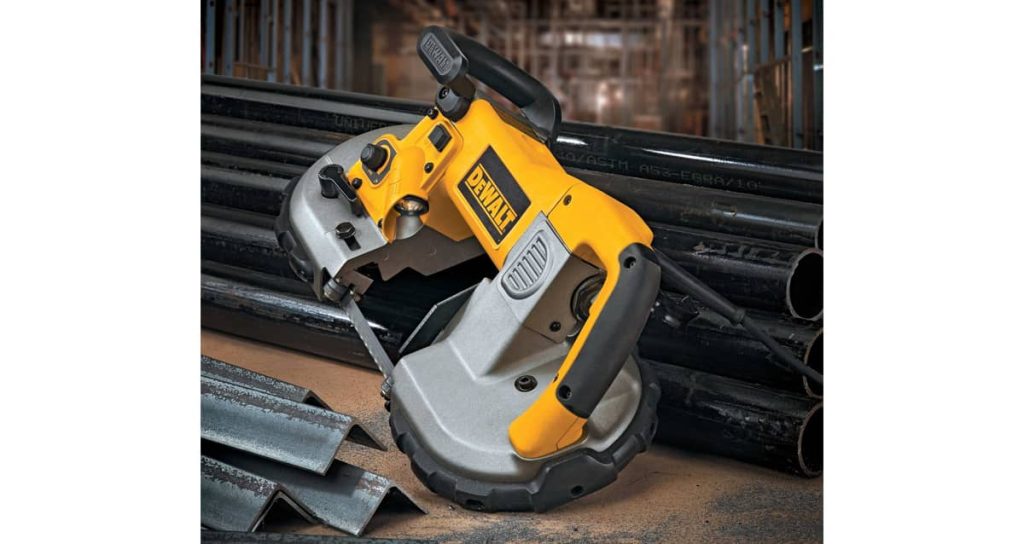
The Dewalt D28770 is a corded deep cut portable band saw built for users who want steady power and a larger cut capacity without moving to a stationary setup. Its 6.0 amp motor, 4-3/4 inch cutting capacity, variable speed range of 80 to 280 feet per minute, and built in sight light make it a useful fit for many metal cutting jobs on the site or in the shop. The cast aluminum build, adjustable material guide, large front handle, and soft grip rear handle all suggest a saw designed for control as much as cutting strength. For users who prefer a corded option and need more reach than smaller cordless models, the D28770 often makes good sense.
The Cordless Dewalt Models Fit Different Kinds of Work
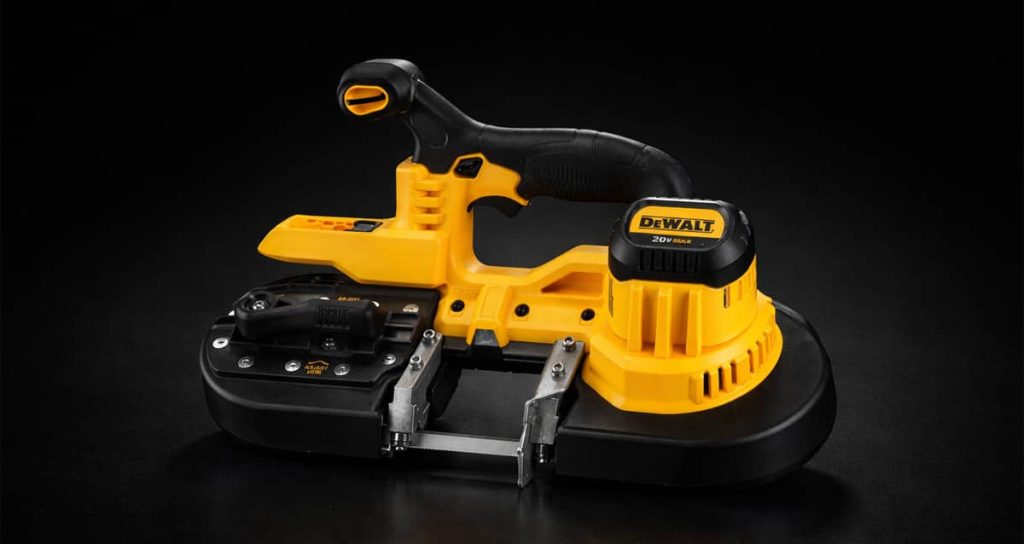
The Dewalt DCS371B and DCS376B are both cordless band saws, but they do not fill the same role. The DCS371B is the smaller option, with a 2-1/2 inch cut capacity and a 36V platform, which makes it better suited to tighter spaces and lighter material. It includes blade tracking adjustment, a tool free blade changing lever, dual bearing guide rollers, and an integrated hang hook. The DCS376B moves into a larger 5 inch class with a 20V MAX battery system, a brushless motor, speed control dial, LED work light, and dual switch design for better control. In simple terms, the DCS371B fits lighter and tighter work, while the DCS376B is the cordless model for users who need more cut capacity.
Dewalt Portable Band Saw Models at a Glance
| Model | Power Source | Cut Capacity | Notable Features | Best Fit |
|---|---|---|---|---|
| D28770 | Corded, 6.0 Amps | 4-3/4 inch | Variable speed, sight light, adjustable material guide | General deep cut jobsite work |
| DCS371B | Cordless, 36V | 2-1/2 inch | Tool free blade change, tracking adjustment, hang hook | Smaller material and tighter spaces |
| DCS376B | Cordless, 20V | 5 inch | Brushless motor, LED work light, speed control dial, dual switch | Larger cordless cutting tasks |
| DWM120K | Corded, 10 Amps | 5 inch | Variable speed dial, tracking adjustment, LED sight light, replaceable brushes | Heavy daily use and wider material range |
The DWM120K Still Stands Out for Heavier Corded Use
The Dewalt DWM120K remains one of the better known Dewalt portable band saws because it combines a 10 amp motor, 5 inch cut capacity, variable speed dial, and a long list of jobsite focused details. It has an LED sight light, adjustable front handle, blade tracking adjustment, dual bearing guide rollers, adjustable material guide, soft grip rear handle, blade changing lever, and externally replaceable brushes. For users who want a corded saw with more cutting range and the feel of a full size portable unit, the DWM120K is often the model that stands out. It is heavier than some smaller choices, but the extra size and power are usually there for a reason.
Features That Often Matter Most in a Dewalt Band Saw
- Cut capacity if you regularly work with larger stock
- Corded or cordless power depending on where the saw will be used
- Variable speed control for matching blade speed to the material
- Blade tracking adjustment for better blade life and steadier cuts
- Guide roller support for blade stability during repeated cutting
- Handle layout and overall balance for comfort during longer use
Blade Tracking and Blade Changes Are Two Terms That Matter
In actual use, two Dewalt terms matter more than many first time buyers expect: blade tracking and blade changes. Blade tracking adjustment helps keep the blade running where it should, which can improve blade life and cut consistency. A saw that tracks well usually feels smoother and wastes fewer blades over time. Tool free or lever based blade changing also matters because portable band saw users often switch blades depending on the material. If a saw makes that process easier, it is much more likely that the right blade stays on the machine instead of one worn blade being pushed through every task.
A Simple Way to Match a Dewalt Model to the Work
- Choose the DCS371B if you want a smaller cordless saw for lighter material
- Choose the D28770 if you want a corded deep cut saw with solid control features
- Choose the DCS376B if you want cordless mobility with larger 5 inch cut capacity
- Choose the DWM120K if you want a full size corded saw for heavier regular use
- Focus on cut capacity before comparing smaller feature differences
- Think about blade access, speed control, and balance before making the final choice
Dewalt Model Choice Usually Comes Down to Work Style
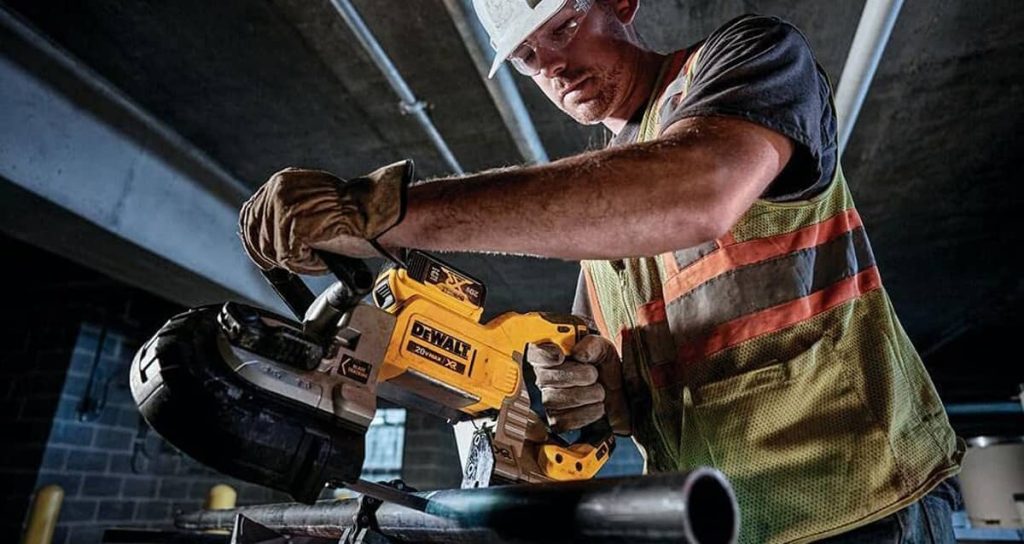
A Dewalt guide is most useful when it helps narrow the choice based on real work instead of just a feature list. If most cuts are overhead, on ladders, or in tighter spaces, the smaller cordless models may feel easier to manage. If the work leans toward thicker stock, repeated cutting, or a mix of shop and site use, the corded D28770 or DWM120K may make more sense. If the goal is cordless freedom without giving up larger capacity, the DCS376B fills that space well. The better fit usually comes from your material size, work location, and how often the saw is used in a full workday.
Working with Stainless Steel Too?
If stainless steel is part of your regular cutting work, our article on Stainless Steel Cutting: Practical Guide, Key Terms, and Next Steps is a useful next read. It explains the terms, material points, and cutting basics that can help make stainless steel easier to understand before you choose a blade or set up the saw. It is a helpful follow-up if you want cleaner cuts and fewer mistakes when working with tougher metal.
Practical Next Steps Before You Choose or Set Up a Dewalt Saw
- Confirm the cut capacity you actually need most often
- Decide whether corded or cordless power fits your work better
- Check blade size requirements for the exact model
- Use the speed setting that matches the material being cut
- Watch blade tracking if cut quality starts to drop
- Replace worn blades before changing multiple settings on the saw
A Good Dewalt Guide Should Make the Next Step Clear
The point of a practical Dewalt guide is not just to list model names but to make the next step easier. The D28770, DCS371B, DCS376B, and DWM120K each fit a different kind of cutting work, and the right choice usually becomes clearer once you look at cut capacity, power source, speed control, and blade handling. Once the model matches the job, the rest usually comes down to using the right blade, keeping tracking in line, and setting the saw up for the material in front of you.