Starting Your Workshop Without Breaking the Bank
Walking into a hardware store as a new woodworker can feel a lot like being handed a menu in a foreign language. Every aisle promises tools that seem essential, and before you know it, you have spent hundreds of dollars on equipment that sits untouched in your garage. The truth is that beginners need far fewer woodworking tools than most buying guides suggest. What matters most is selecting a small collection of quality items that allow you to complete actual projects while building fundamental skills. This article breaks down the specific tools that will serve you well from day one, explains which purchases can wait, and helps you avoid the common trap of accumulating gear faster than ability.
The Essential Hand Tools Every Beginner Should Own First
Before plugging anything in, you need a solid foundation of hand tools that teach you how wood behaves and how to control your cuts with precision.
- A quality combination square for marking and checking 90 degree angles
- A sharp block plane for smoothing edges and fitting joints
- A coping saw for curved cuts and detail work
- A set of bench chisels in quarter inch, half inch, and three quarter inch sizes
- A wooden mallet for driving chisels without damaging handles
- A marking gauge for consistent depth lines
- A quality handsaw with 10 to 12 teeth per inch
- A measuring tape and a reliable steel ruler
Why Buying Cheap Tools Costs More in the Long Run
There is a persistent myth that beginners should purchase inexpensive tools because they might quit the hobby anyway. This logic actually works against you. Cheap chisels lose their edge after a few cuts, forcing you to push harder and resulting in gouged wood and potential injury. Low quality squares drift out of true, meaning every measurement you take introduces error into your project. Frustration from fighting poor equipment causes many people to abandon woodworking entirely, believing they lack talent when the real problem sits in their toolbox. A middle tier chisel set from a reputable brand costs around fifty to seventy dollars and will last decades with proper care. Compare that to a budget set that needs replacing within months, and the math favors quality every time.
Quick Check
According to the article, what’s the advantage of one excellent chisel over a set of ten mediocre ones?

Understanding Power Tools for New Woodworkers
The jump from hand tools to power tools opens up efficiency and capability, but it also introduces safety considerations that demand respect. A jigsaw makes an excellent first power tool because it handles curves, straight cuts, and even basic joinery with a forgiving learning curve. Random orbital sanders remove material evenly without the swirl marks that plague cheaper alternatives. A power drill with a good set of bits handles everything from pilot holes to driving screws, making assembly far easier. What beginners typically do not need right away includes table saws, routers, and planers. These tools shine in specific applications but require more space, more safety knowledge, and more investment than most first projects demand.
Comparing Hand Tools Versus Power Tools for Common Tasks
| Task | Best Hand Tool Option | Best Power Tool Option | Recommended for Beginners |
| Straight crosscuts | Handsaw with miter box | Miter saw | Hand tool first |
| Curved cuts | Coping saw | Jigsaw or band saw | Either works well |
| Surface smoothing | Block plane | Random orbital sander | Power tool saves time |
| Edge jointing | Hand plane | Jointer | Hand tool builds skill |
| Hole drilling | Brace and bit | Cordless power drill | Power tool recommended |
| Stock removal | Card scraper | Belt sander | Hand tool for control |
| Ripping boards | Rip saw | Table saw | Power tool when ready |
The Band Saw as a Beginner Friendly First Stationary Tool
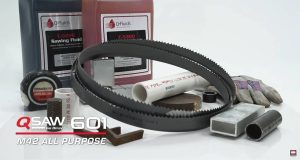
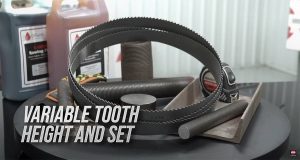
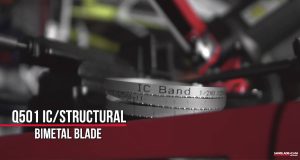
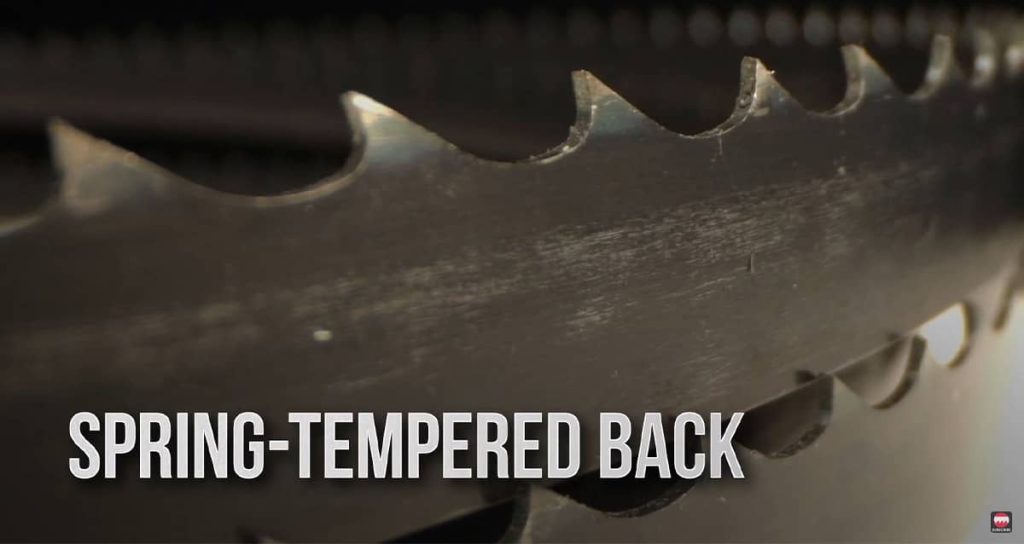
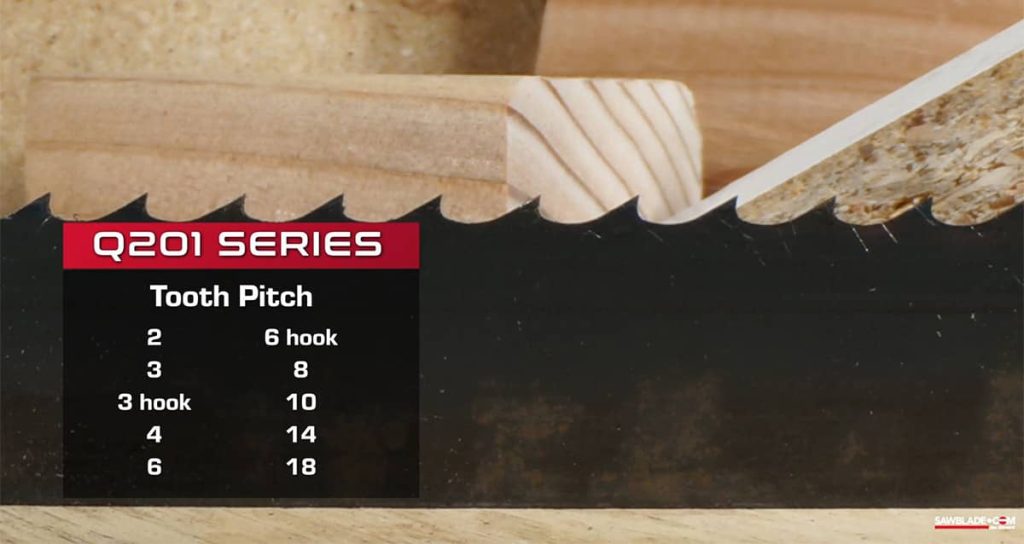
When you are ready to invest in a larger stationary machine, a band saw deserves serious consideration over the more commonly recommended table saw. Band saws handle both curved contour cuts and straight line work with less kickback risk than spinning circular blades. A quality fourteen inch model fits comfortably in a single car garage and cuts stock up to six inches thick. The real versatility comes from blade selection for different cutting applications, where thinner blades handle tight radius curves while wider blades excel at resawing thick lumber into thinner boards. Flex back carbon blades, sometimes called Q101 style, offer an excellent entry point because they forgive the minor technique errors that beginners inevitably make while still delivering clean results.
Quick Check
The article recommends allocating roughly 40 percent of your first-year budget to essential hand tools and accessories.
Sharpening Equipment You Cannot Skip
Dull tools create dangerous tools. This principle guides every experienced woodworker, yet beginners often overlook sharpening until frustration forces the issue.
- A combination waterstone in 1000 and 4000 grit
- A honing guide to maintain consistent bevel angles
- A leather strop with polishing compound for final edge refinement
- A small diamond plate for flattening waterstones
- A magnifying loupe for inspecting cutting edges
Setting Up a Functional Workbench on a Budget
Your workbench does not need to be a showpiece. What it needs is stability, a flat top, and ways to secure your work. Many beginners spend months building elaborate benches when a simple alternative would get them making actual projects sooner. A solid core door laid flat across two sturdy sawhorses creates a surprisingly capable surface for around sixty dollars. Add a woodworking vise to one corner and a few bench dogs for clamping, and you have a workspace that handles ninety percent of beginner tasks. The fancy joinery and exotic hardwoods can wait until you have developed the skills to build that dream bench properly.
ALSO WORTH READING
Caring for Your Bandsaw Tires
If you want to keep your bandsaw running smoothly, proper tire maintenance is essential. One common question that comes up is whether wax has any place in your tire care routine. We put together a helpful guide that covers this topic in detail, including the pros and cons you should consider. Check out our article on Bandsaw Tire Maintenance: Should Wax Ever Be Used? to learn more about keeping your tires in top condition.
Safety Gear That Protects Without Getting in the Way
Protective equipment only works if you actually wear it, which means finding options comfortable enough for extended use.
- Safety glasses with anti fog coating that fit over prescription lenses if needed
- Hearing protection rated for at least 25 decibels of reduction
- A dust mask rated N95 at minimum, or a half face respirator for prolonged sanding
- Push sticks and push blocks for power tool work
- A quality first aid kit within reach of your work area
Building Skills Before Building Your Tool Collection
The temptation to buy your way to better results is real, but experienced woodworkers know that technique matters more than equipment. A skilled craftsman with a basic setup produces better work than a novice surrounded by professional grade machinery. Start with simple projects like cutting boards, small boxes, or basic shelving that teach measurement, cutting, and assembly fundamentals. Each completed project reveals which tools would genuinely help versus which ones simply look appealing. This approach also gives you time to research high quality saw blades and accessories that match your developing preferences rather than guessing what you might need someday.
Quick Check
What’s the low end of the price range for a router table? Drag to answer.
Common Beginner Tool Buying Mistakes to Avoid
Learning from the missteps of others saves both money and storage space in your workshop.
- Purchasing complete tool sets filled with items you will never use
- Choosing cordless versions of tools better suited to corded power
- Buying specialty tools before mastering general purpose alternatives
- Ignoring blade and bit quality in favor of the tool itself
- Accumulating duplicates because you forgot what you already owned
- Skipping measuring and marking tools in favor of more exciting purchases
Where to Find Quality Woodworking Tools Without Overspending
Estate sales and online marketplaces often yield vintage hand tools that outperform modern budget options. Older Stanley planes, for example, feature thicker iron and tighter tolerances than their contemporary equivalents, often at a fraction of new prices. Local woodworking clubs frequently host tool swaps where members sell equipment they have outgrown. For new purchases, waiting for seasonal sales around major holidays can cut prices by twenty to thirty percent on quality brands. Investing in precision cutting tools for woodworking from established manufacturers ensures replacement parts and support remain available years down the road. Finally, consider that renting or borrowing expensive tools for single projects makes more financial sense than buying equipment you need once a year.
Your First Year in the Workshop
The tools you need as a beginner differ significantly from what you will eventually want as your skills grow, and that progression is exactly how it should be. Start with hand tools that teach you how wood moves and responds. Add power tools strategically as specific project requirements justify them. Invest in quality blades and sharp edges rather than accumulating machines. Most importantly, spend more time making sawdust than browsing tool catalogs. A year from now, you will have a clear understanding of which tools earn their place in your workshop and which ones seemed important but gathered dust. That knowledge, built through actual experience, guides better purchasing decisions than any buying guide ever could.