Understanding the Wax Debate in Bandsaw Tire Care
If you spend any time in woodworking forums or shop discussions, you have probably encountered the question of whether applying paste wax to bandsaw tires is a smart maintenance practice or a recipe for trouble. The idea sounds reasonable on the surface since wax prevents pitch buildup on hand planes and tabletops, so why not bandsaw tires? However, bandsaw tire maintenance requires a fundamentally different approach than protecting flat surfaces from resin accumulation. The tires on your bandsaw wheels serve a specific mechanical purpose that wax directly interferes with, and understanding this function is the first step toward keeping your saw running smoothly for years without introducing unnecessary problems.
Why Friction Matters for Bandsaw Tire Performance
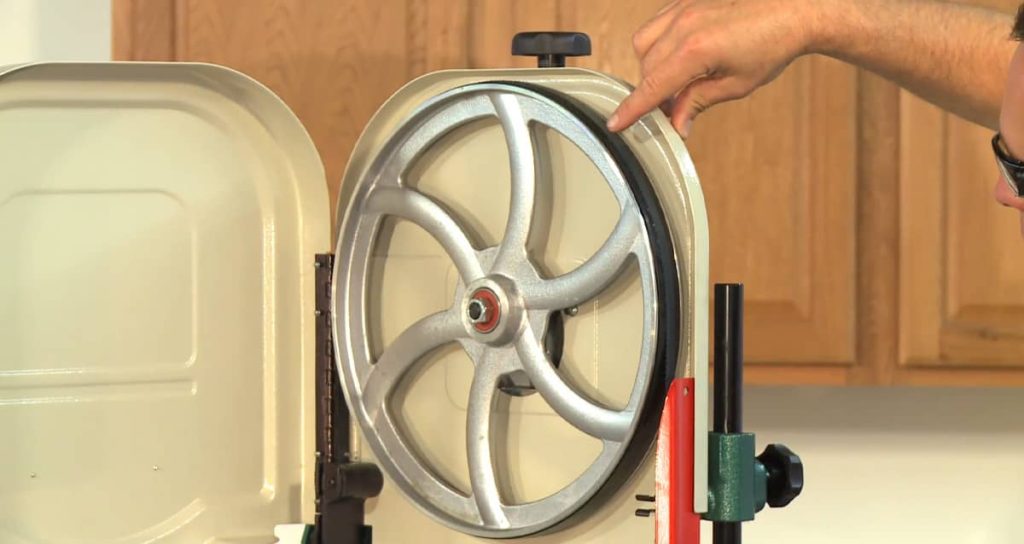
- Bandsaw tires provide the grip necessary to transfer wheel rotation to blade movement
- The tire surface creates controlled friction that prevents blade slippage during cuts
- Any reduction in surface friction can cause the blade to track inconsistently
- Proper tension combined with adequate tire grip ensures smooth, accurate cutting
- Blade drift and wandering often trace back to compromised tire traction
- Slipping blades generate heat, which accelerates wear on both the tire and blade
How Wax Undermines Bandsaw Tire Function
The fundamental problem with applying wax to bandsaw tires comes down to basic physics. Wax is a lubricant, and lubricants reduce friction by design. When you coat your bandsaw tires with paste wax or any similar substance, you are actively working against the tire’s primary job. Even a thin wax film can reduce the coefficient of friction enough to cause blade slippage during heavy cuts or when working with dense materials. This slippage forces you to increase blade tension beyond recommended levels, which stresses the blade, bearings, and guides while still failing to solve the underlying traction issue. Some woodworkers who have tried waxing their tires report blades that wander unpredictably or even jump off the wheels entirely during operation.
Quick Check
What is the primary function of bandsaw tires that applying wax directly compromises?
The Real Source of Pitch Buildup Problems
Many woodworkers turn to wax because they are trying to solve a pitch accumulation problem, but this approach misunderstands where the issue originates. Pitch buildup on bandsaw tires is primarily a softwood phenomenon, particularly common when resawing green lumber or cutting resinous species like pine, fir, and spruce. Woodworkers who primarily cut hardwoods rarely encounter significant pitch accumulation on their tires. If you notice sticky residue building up during certain projects, the material itself is almost always the culprit rather than any deficiency in your tire surface. Changing your approach to cleaning rather than coating makes far more sense for addressing this specific issue without creating new problems.
Comparing Bandsaw Tire Cleaning Methods
| Cleaning Method | Effectiveness | Risk Level | Best For |
| Mounted brush system | High | Very Low | Continuous sawdust removal during operation |
| Shop vacuum after use | Moderate | Very Low | Daily cleanup and debris removal |
| Mild degreaser scrub | High | Low | Periodic removal of pitch and resin |
| Rubber eraser or crepe block | Moderate | Very Low | Light buildup on rubber tires |
| Stiff nylon brush | Moderate | Very Low | General cleaning between projects |
| Mineral spirits wipe | High | Low | Heavy pitch accumulation on urethane tires |
What Experienced Woodworkers Actually Do
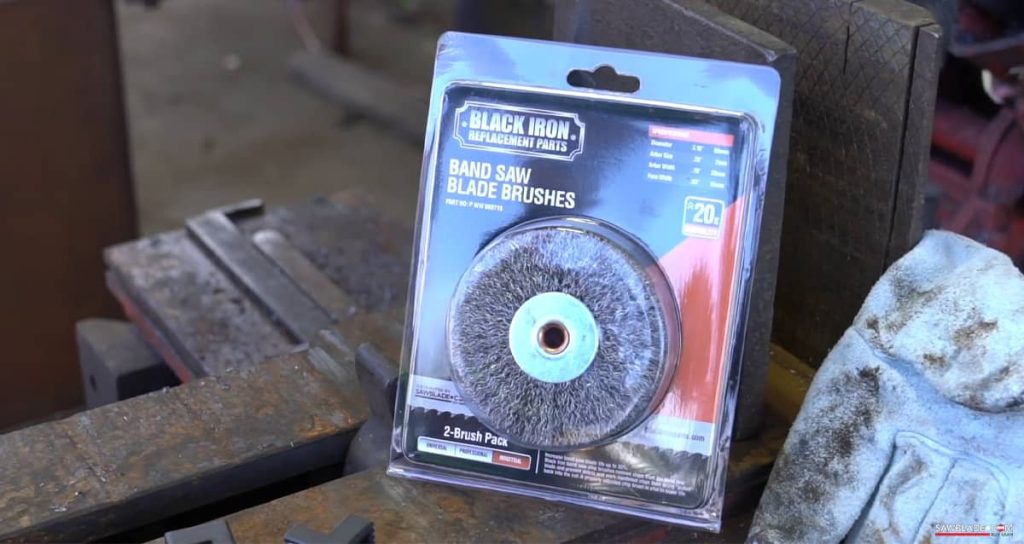
Talk to woodworkers who have been using bandsaws for decades, and you will find that most of them have never waxed their tires and have no intention of starting. Their approach to bandsaw tire maintenance tends to be refreshingly simple and mechanical in nature. A brush mounted near the wheel that sweeps the tire during operation handles most debris automatically. At the end of a cutting session, a quick pass with the shop vacuum removes sawdust that might otherwise pack into the tire surface over time. When pitch does accumulate, a rag dampened with a mild degreaser takes care of the problem in minutes. This straightforward routine keeps bandsaw blades tracking properly without introducing lubricants that compromise tire performance.
Quick Check
Gasoline and other petroleum-based solvents are safe to use when cleaning pitch off bandsaw tires.
Signs Your Bandsaw Tires Need Attention
- The blade tracks to one side despite proper adjustment of the tracking mechanism
- You notice the blade slipping during cuts, especially in dense or thick stock
- Visible cracks, chips, or hardened sections appear on the tire surface
- The tire has developed a glazed or shiny appearance instead of a matte texture
- Sawdust and debris pack into the tire rather than being shed during operation
- The blade produces unusual vibration that was not present when tires were new
- Increased blade breakage occurs without other obvious causes
When Cleaning Is Not Enough
Sometimes bandsaw tire maintenance reaches a point where cleaning simply cannot restore proper function. Rubber tires naturally degrade over time, becoming hard and losing their original grip characteristics. Exposure to shop solvents, UV light, and temperature fluctuations accelerates this aging process. A tire that has become brittle or developed cracks poses both a performance and safety concern. No amount of cleaning or conditioning will restore the elasticity and grip of a tire that has reached the end of its service life. Attempting to extend the life of genuinely worn tires with wax or other surface treatments is essentially delaying an inevitable replacement while accepting compromised performance in the meantime.
ALSO WORTH READING
Need Help Finding the Right Riser Block?
If you’re looking to increase your bandsaw’s resaw capacity, adding a riser block is one of the most practical upgrades you can make. However, not all riser blocks work with every bandsaw model. Our compatibility guide covers popular brands like Delta, Ridgid, Jet, and Grizzly to help you find the right fit for your specific machine before you buy.
Advantages of Urethane Over Rubber Tires
- Urethane resists hardening and brittleness far longer than natural rubber compounds
- The material maintains consistent grip characteristics across a wider temperature range
- Urethane tires typically outlast rubber options by a significant margin
- They resist damage from common shop chemicals that degrade rubber
- The firmer surface helps maintain precise blade tracking over extended use
- Replacement tires in urethane offer a meaningful upgrade when rubber wears out
- Less susceptibility to flat spots when the saw sits unused for extended periods
Quick Check
What is the maximum number of years most bandsaw tires last depending on usage? Drag to answer.
Proper Installation for New Bandsaw Tires
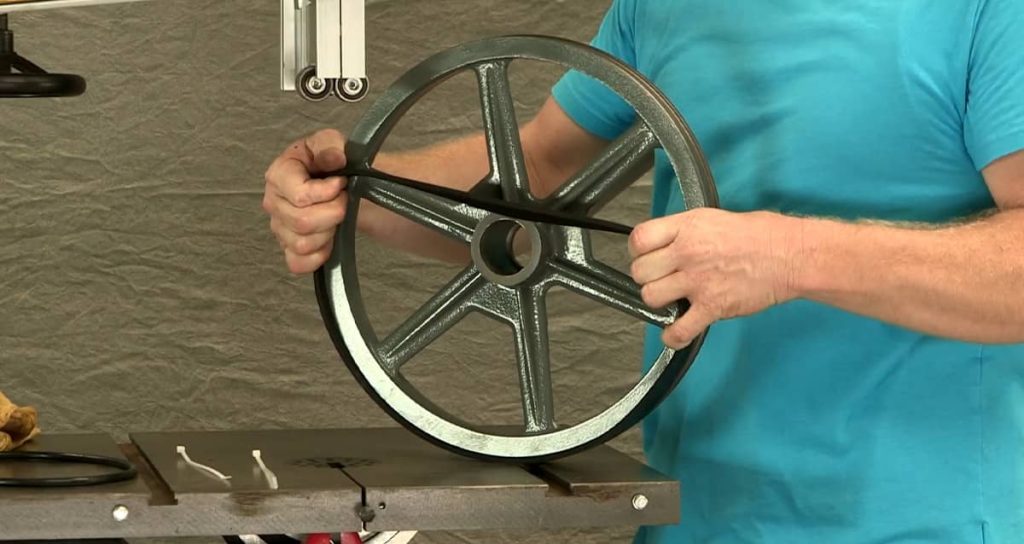
Installing replacement bandsaw tires correctly ensures you get the full benefit of fresh, grippy surfaces without introducing tracking or vibration issues. Start by thoroughly cleaning the wheel rims to remove all old adhesive residue and accumulated debris. Most modern tires stretch over the wheel rim without requiring adhesive, though some rubber tires may need a light application of contact cement for secure attachment. Position the tire evenly around the wheel, making sure no section is stretched more than another. Allow any adhesive to cure fully before tensioning a blade on the saw. After installation, run the saw briefly without a blade to verify the tire is seated properly and spinning true. Taking time with this process pays dividends in performance and tire longevity.
Maintaining Your Bandsaw for Long Term Performance
- Inspect tire condition monthly and clean as needed based on materials being cut
- Check blade guides and thrust bearings during routine tire inspections
- Verify proper blade tension using a gauge rather than relying on feel alone
- Keep the blade guard and guides properly adjusted for each blade width
- Store the saw with tension released if it will sit unused for weeks or longer
- Replace tires as a pair when one shows significant wear
- Keep a quality replacement blade on hand to avoid running worn blades too long
Making the Right Choice for Your Shop
The question of whether to wax bandsaw tires has a clear answer based on how these machines actually work. Wax belongs in your finishing supplies, not your bandsaw maintenance routine. The friction provided by properly maintained tires is essential for accurate, safe cutting, and anything that reduces that friction creates problems rather than solving them. Stick with mechanical cleaning methods, address pitch buildup promptly with appropriate cleaners, and replace tires when they show genuine signs of wear or hardening. This straightforward approach to bandsaw tire maintenance keeps your saw performing well without the risks that come from applying lubricants where they do not belong. Your bandsaw will reward you with years of reliable service when you respect how it was designed to function.